
Employee turnover is a critical aspect for businesses to monitor, especially in the fast-paced world of SaaS companies. High turnover rates can lead to increased costs and disruptions, impacting both morale and productivity. Understanding what causes employee turnover and learning how to reduce it is vital for maintaining a stable and efficient workforce.
The nature of work has evolved significantly, with employees seeking more than just a paycheck. They want engagement, growth opportunities, and a positive work environment. For businesses using work management tools like Morningmate, adapting to these needs can help in retaining talent and decreasing turnover rates.
To tackle the issue effectively, it’s essential to explore the reasons behind employee turnover and implement strategies to mitigate them. This comprehensive guide provides insights into these aspects and offers practical solutions for businesses looking to maintain a satisfied and stable workforce.
Understanding Employee Turnover
Employee turnover refers to the rate at which employees leave a company and are replaced by new hires. It can be voluntary, with employees choosing to leave, or involuntary, where businesses decide to part ways with employees.
High turnover rates can be costly for organizations, not only in terms of financial resources needed for recruiting and training new staff but also in the loss of experienced employees and the potential disruption to team dynamics and company culture.
For SaaS companies, where skilled talent is indispensable, understanding the nuances of employee turnover is crucial. Companies must pay attention to both internal and external factors contributing to turnover to devise effective retention strategies.
Factors Contributing to Employee Turnover
Several factors might contribute to high employee turnover. Identifying these factors allows businesses to take proactive steps to address them. Below are some common reasons:
- Lack of Career Development: Employees often leave when they feel their growth is stunted within an organization.
- Work-Life Balance: Poor work-life balance can lead to burnout and dissatisfaction.
- Company Culture: A negative or misaligned company culture can drive employees away.
- Compensation and Benefits: Inadequate compensation or benefits might push employees to seek opportunities elsewhere.
- Lack of Recognition: Employees who don’t feel valued are more likely to leave.
Understanding these factors can guide businesses in implementing tailored strategies to improve retention rates and enhance overall employee satisfaction.
Strategies to Reduce Employee Turnover
To effectively reduce employee turnover, businesses should focus on creating environments where employees feel valued, challenged, and supported. The following strategies can be instrumental in achieving this goal:
1. Offer Competitive Compensation and Benefits
One of the most straightforward methods to retain employees is to ensure they are compensated fairly. Regular market analyses can help businesses stay competitive in their compensation packages.
- Conduct salary surveys and adjust compensation accordingly.
- Offer comprehensive benefits, including health insurance, retirement plans, and wellness programs.
2. Foster a Positive Organizational Culture
A supportive and inclusive culture can significantly boost employee satisfaction. Ensure your company values are communicated clearly and are evident in day-to-day operations.
- Promote teamwork and collaboration through regular team-building activities.
- Encourage open communication and feedback between all levels of staff.
Morningmate users can leverage the platform’s features to enhance communication and collaboration effortlessly, further fostering a positive workplace environment.
3. Provide Career Development Opportunities
Investing in employee growth can bolster loyalty and engagement. Offering training, mentorship, and clear advancement paths can prevent stagnation and inspire long-term commitment.
- Implement learning and development programs tailored to employee needs.
- Establish mentorship schemes that match experienced employees with newer hires.
These steps can help employees see a future within the organization, reducing their urge to seek external opportunities.
4. Create a Flexible Work Environment
Flexibility increasingly matters in today’s workplace. Allowing employees to choose their work schedules or locations can enhance satisfaction and reduce turnover.
- Introduce remote work policies where applicable.
- Adapt work hours to improve work-life balance for employees.
This flexibility demonstrates trust in employees and fosters a more content workforce.
The Role of Technology in Reducing Turnover
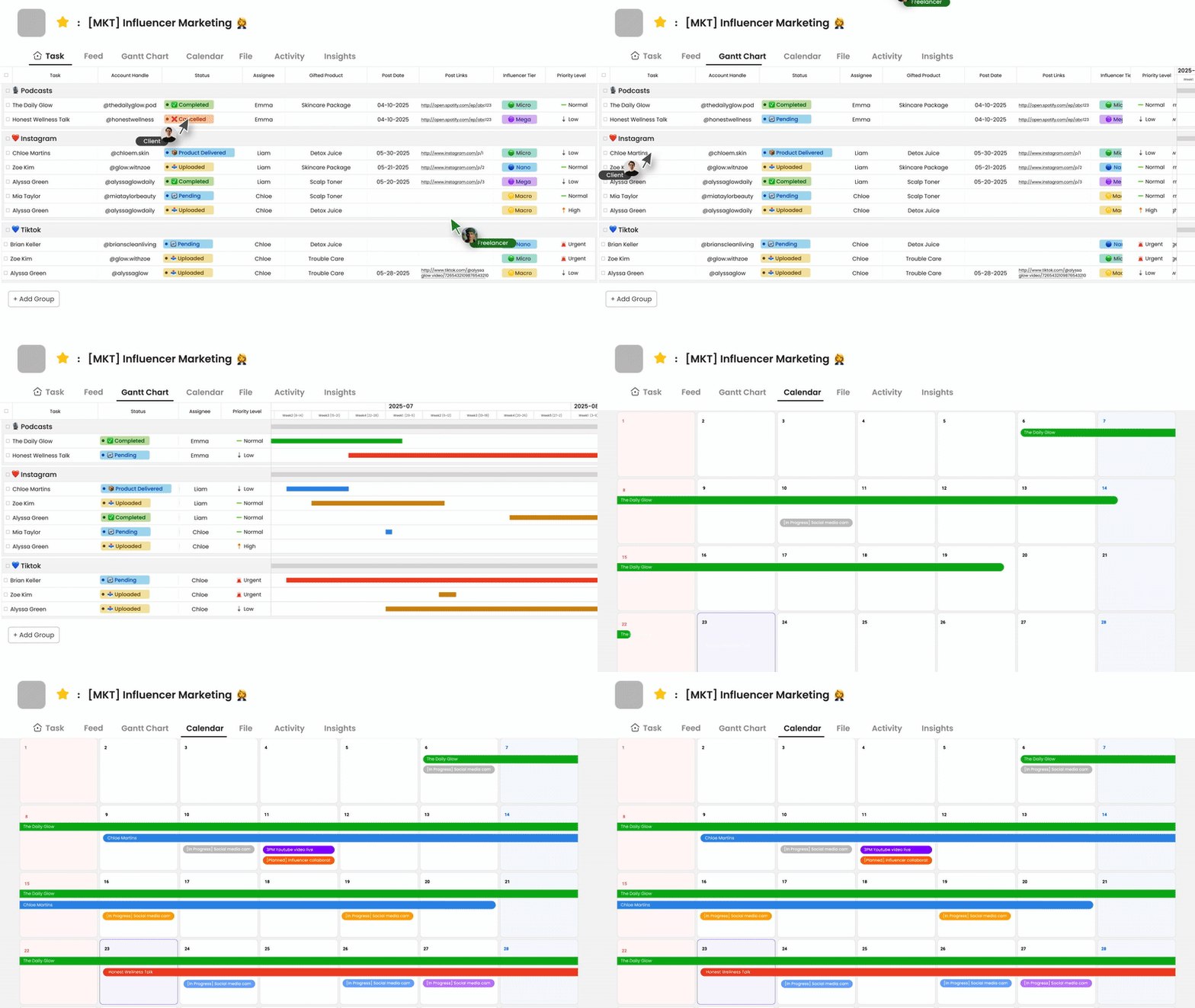
Technology plays a crucial role in modern workforce management. Tools like Morningmate can facilitate communication, streamline project management, and improve overall workflow efficiency, which are key in maintaining employee satisfaction.
By embracing technology, companies can not only boost productivity but also create a more engaging and conducive work environment for their staff.
- Automate repetitive tasks to free up employee time for more engaging work.
- Use analytics to identify and address potential areas of dissatisfaction.
Morningmate helps businesses achieve these objectives efficiently, ensuring a proactive approach to reducing turnover through technological innovation.
Monitoring and Evaluating Turnover Reduction Efforts
To assess the effectiveness of turnover reduction strategies, companies must continually analyze and refine their approaches. Establishing metrics and regularly evaluating outcomes can ensure the initiatives are making the intended impact.
Consider the following steps to monitor progress effectively:
- Track turnover rates and identify patterns or trends over time.
- Conduct regular employee satisfaction surveys to gauge morale and engagement.
- Review exit interviews for insights on why employees are leaving.
By consistently evaluating your strategies and making necessary adjustments, you can work towards achieving a stable and committed workforce.
Proactive Steps Forward
Reducing employee turnover requires a multifaceted approach that involves understanding the underlying causes, implementing effective retention strategies, and embracing technology. Organizations that invest in their employees’ growth and satisfaction will see the benefits in the form of enhanced loyalty, productivity, and a positive workplace culture.
By using a solution like Morningmate, you can immediately initiate improvements in communication and project management, setting the stage for better employee retention.
Implementing these steps today can prepare your business for a more promising tomorrow, where a satisfied workforce is both a reality and a sustainable competitive advantage. Begin your journey with Morningmate to explore how you can revolutionize your company’s turnover rates and overall employee satisfaction.