In the fast-paced world of modern business, companies are constantly seeking ways to optimize productivity. However, a significant challenge comes from context switching—when workers frequently shift between different tasks or tools throughout the day. This can lead to decreased efficiency and increased cognitive load. Understanding how to reduce context switching at work is essential to creating a more focused and productive environment.
The concept of context switching is deeply ingrained in our digital age where multitasking is common. However, unlike computers, the human brain isn’t optimized for handling multiple demands simultaneously. Constantly switching contexts can disrupt concentration, leading to errors and added stress. By reducing context switching, employees can maintain focus longer and deliver higher quality work. In this article, we explore effective strategies to minimize context switching in the workplace.
To truly tackle the issue of context switching, it’s vital to consider both organizational and individual approaches. Organizational strategies involve redesigning workflows and tools, while individual strategies focus on personal work habits. Let’s delve into these strategies and how they can be implemented effectively in any organization.
Understanding Context Switching
Before addressing how to reduce context switching, it is crucial to understand what it entails. Context switching occurs when an individual transitions between different tasks or projects, requiring a mental shift. This often happens when employees check emails, switch between tasks, or alternate between different software platforms.
This frequent redirection can fragment attention, reducing productivity due to cognitive disruptions. Each switch requires time for the brain to refocus, ultimately leading to increased work time with diminished output quality.
Organizational Strategies to Reduce Context Switching
Organizations play a pivotal role in minimizing context switching by optimizing workflows and managing task assignments. Implementing thoughtful changes can significantly help employees maintain focus and streamline operations.
Streamline Tools and Platforms
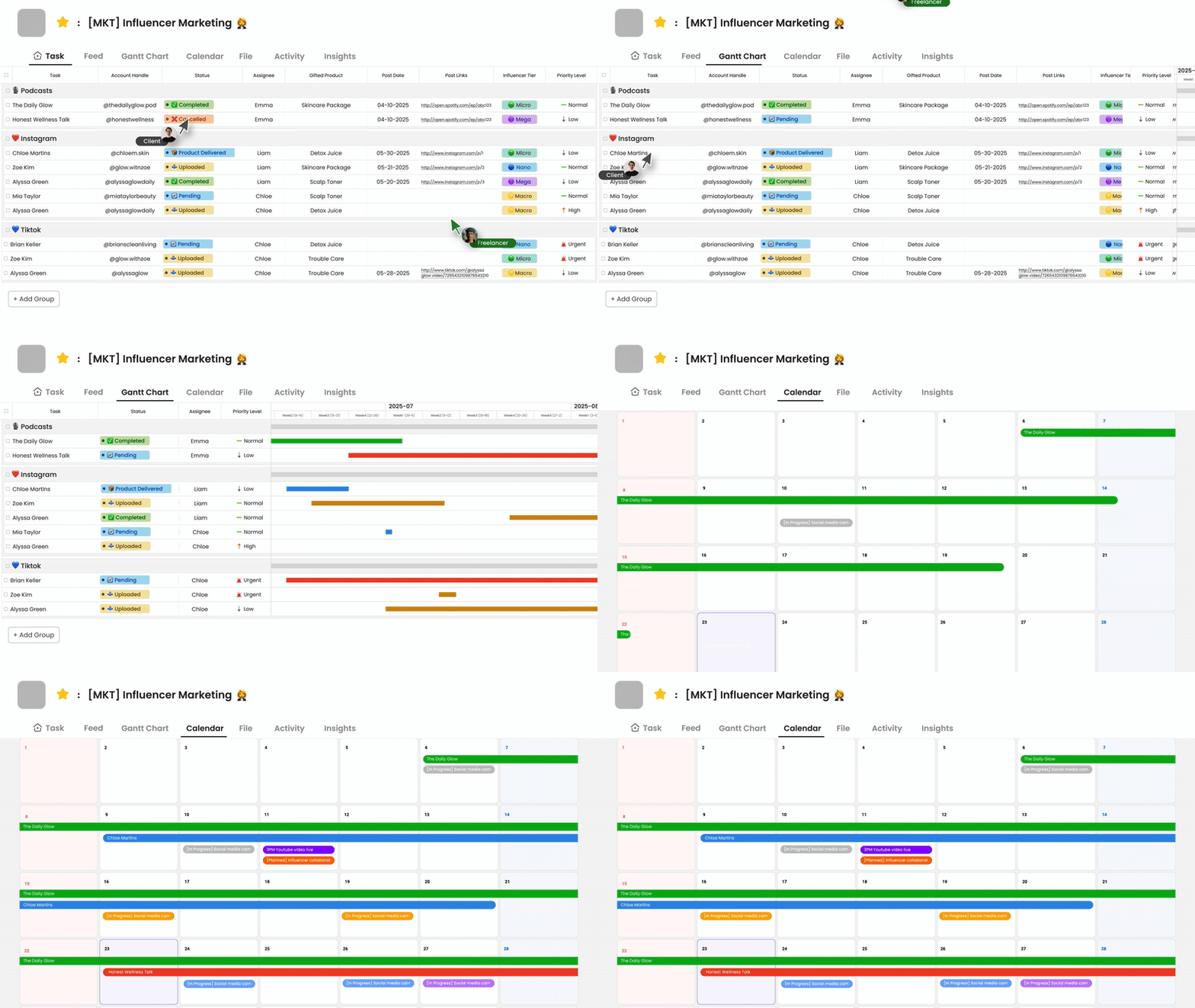
One of the most effective ways to reduce context switching is to streamline the tools and platforms employees use daily. When workers manage multiple tasks across different platforms, it leads to significant mental overhead. Consolidating tools using integrated solutions like Morningmate can provide a seamless user experience.
- Choose multifunctional tools that offer several features in one platform.
- Ensure seamless integration between different software used within the company.
This consolidation reduces the need for frequent switches, allowing employees to focus more effectively on their work.
Redesign Workflow and Task Assignment
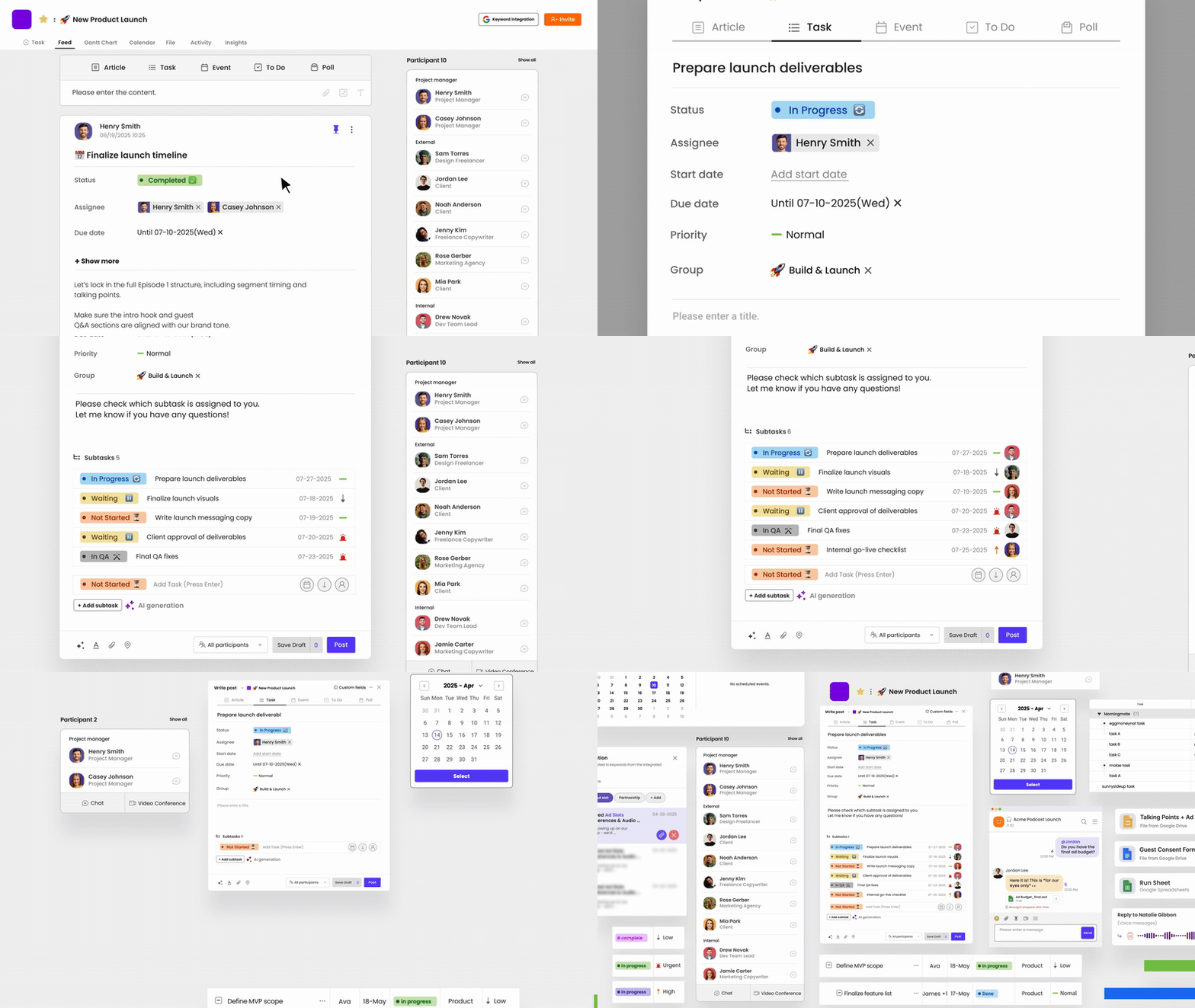
Considering the processes and workflows within an organization is crucial for reducing context switching. Adjusting task assignments so that employees can concentrate on specific projects or sections of work can heighten productivity. Use a project management approach where activities are grouped logically.
Employ agile frameworks or other methodologies that promote focused sprints or blocks of concentrated work, allowing for better time management and fewer distractions.
By creating workflow systems where employees can work on a single task for a longer duration, context switching is minimized, fostering a more concentrated work environment.
Individual Strategies to Minimize Context Switching
Reducing context switching isn’t solely an organizational task; individuals also have a responsibility to adopt personal strategies that enhance focus and efficiency. Encouraging employees to develop self-awareness and intentional work habits can greatly reduce cognitive strain.
Prioritize Tasks with a Daily Focus
One fundamental strategy employees can use is task prioritization. By setting a clear list of tasks for the day and ranking them in order of importance, workers can tackle their day with a clearer purpose. This prioritization reduces the mental clutter associated with context switching.
- Create a daily to-do list at the start or end of each day.
- Use time blocking to schedule specific times for deep work.
By focusing on one major task at a time, employees can work more efficiently and with greater satisfaction.
Practice Mindfulness and Concentration Techniques
Incorporating mindfulness can be a powerful way to stay grounded and reduce the impulse to switch tasks frequently. Techniques such as meditation and breathing exercises can help workers develop greater awareness and concentration.
Encourage employees to take short breaks for these activities, which can help reset the mind and prepare it for focused work sessions, ultimately reducing the need for context switching.
Technology’s Role in Reducing Context Switching
Embracing technology wisely can provide employees with the tools they need to reduce context switching. Leveraging technology minimizes manual workarounds and integrates workflows, making it easier to maintain focus.
Automation Tools
Automation can eliminate repetitive tasks, reducing the tendency to switch between contexts. Implementing automation across various processes—such as customer relationship management, email handling, and reporting—saves mental energy and time.
- Automate routine processes to reduce manual interventions.
- Utilize scheduling tools to manage meetings and deadlines effectively.
Data-Driven Insights
Leverage analytics tools to gain insights into productivity patterns. By understanding when and why context switching happens, organizations can implement targeted strategies to reduce it.
These insights can inform decisions on workload distribution, collaboration, and the implementation of new tools or practices.
Creating a Culture that Minimizes Context Switching
Organizational culture influences how work is approached. A culture that prioritizes focused work over multitasking can naturally reduce context switching. Encourage transparency and communication to foster an environment that supports these values.
Promote open discussions regarding workload challenges and time management to mitigate the factors contributing to frequent task switching.
Encouraging Focused Work
Create policies and cultural norms that emphasize deep work. For instance, establishing company-wide ‘focus hours’ where interruptions are minimized can foster an environment where employees feel supported in focusing on their tasks without disruptions.
Facilitating a culture of concentration requires involvement at all levels. Leaders and managers should exemplify these behaviors, encouraging their teams to prioritize their efforts on singular tasks with intention.
Implementing Lasting Change
Reducing context switching at work requires commitment from both organizations and individuals. By implementing these strategies, businesses can create more efficient and satisfying work environments. Morningmate offers tools that can seamlessly integrate with these initiatives, supporting teams to minimize context switching and focus on what truly matters.
Start implementing a few of these techniques today, and you may find that productivity and employee satisfaction improve significantly. For more on how Morningmate can help your organization, explore our solutions and see the difference in sustained focus and productivity we can offer.