
Team morale is a critical component of organizational success. It affects productivity, employee retention, and the overall work environment. High team morale can lead to increased engagement and creativity, while low morale can cause turnover and inefficiency. For businesses using work management tools like Morningmate, understanding how to improve team morale at work is essential for fostering a thriving workplace. This article explores effective strategies to uplift morale, ensuring your team remains motivated and cohesive.
Improving team morale involves more than just occasional team-building exercises. It requires ongoing effort and commitment from leadership and team members alike. By focusing on meaningful communication, fostering a supportive environment, and recognizing achievements, businesses can create a culture where employees feel valued and motivated. Let’s dive into practical approaches to boost team morale effectively.
From implementing open-door policies to leveraging technology like Morningmate for seamless collaboration, the strategies shared here will provide you with actionable insights. Whether you’re a manager or a team member, understanding how to enhance morale will equip you with the tools to contribute positively to your workplace. Let’s explore these strategies in detail.
Understanding Team Morale
Team morale refers to the emotional and mental state of the team as a whole. It’s the collective sense of satisfaction, motivation, and enthusiasm within a team. Positive morale results in increased productivity and a harmonious work environment, whereas negative morale can lead to disengagement and high employee turnover.
Understanding the current state of your team’s morale is the first step in improving it. Regularly survey your team to gauge their feelings about work, their teammates, and their overall job satisfaction. Honest feedback is crucial to identifying areas of improvement and implementing effective changes.
Signs of Low Team Morale
Recognizing the signs of low morale can help address issues before they escalate. Common indicators include decreased productivity, increased absenteeism, and lack of enthusiasm for work. Additionally, frequent conflicts, complaints, and a noticeable drop in team collaboration are red flags.
- High turnover rates
- Lack of engagement in meetings
- Resistance to participating in team activities
If these issues are prevalent, it’s crucial to act swiftly to address underlying concerns and restore team morale.
Boosting Communication
Effective communication is a cornerstone of high team morale. Teams that communicate openly and effectively are more likely to collaborate successfully, leading to improved morale and productivity. Maintaining clear, open channels for communication ensures that all team members feel heard and valued.
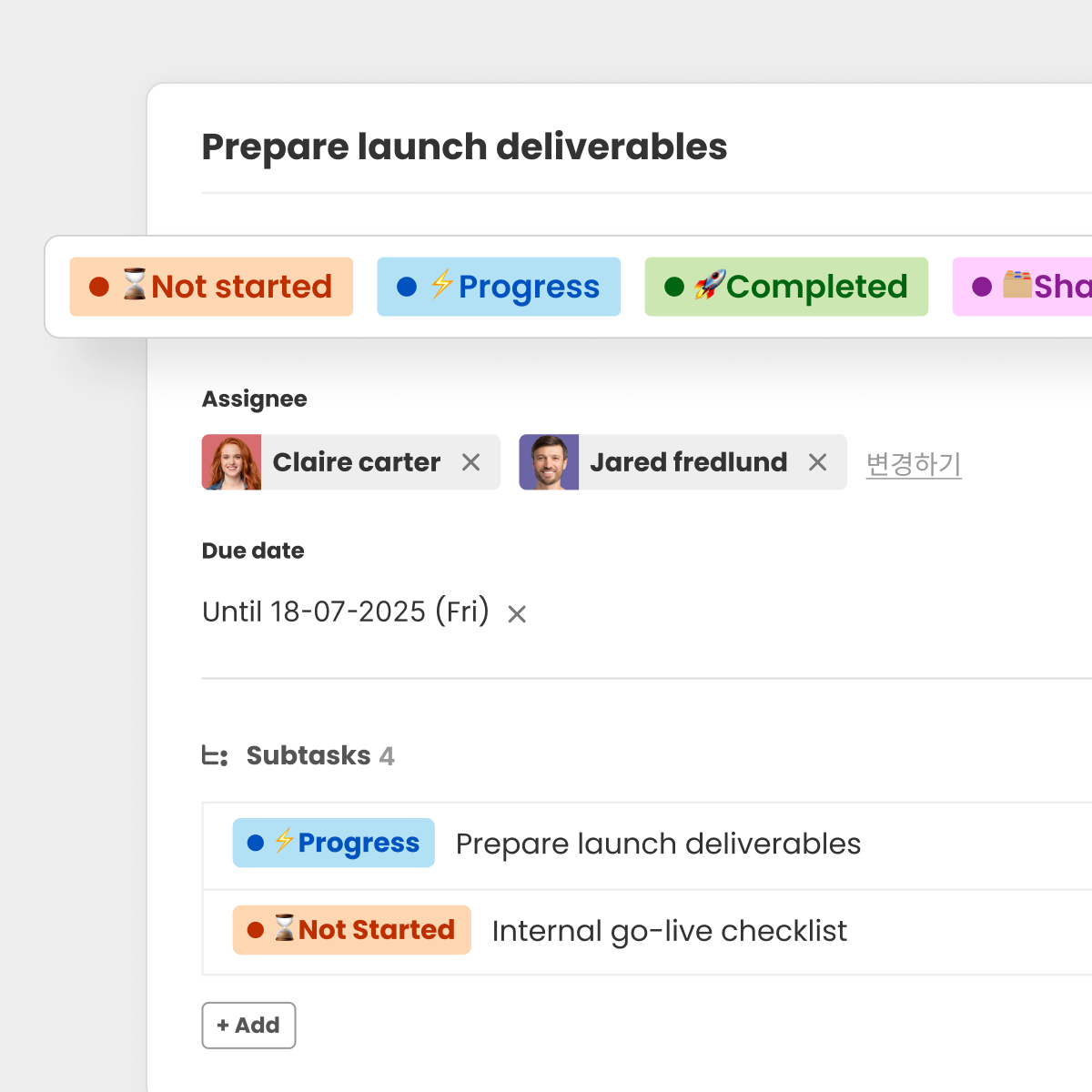
Encouraging regular check-ins and feedback sessions can help you understand team needs and identify potential issues early. Tools like Morningmate can facilitate smooth communication by offering features that support team discussions and project updates in real-time.
Implementing an Open-Door Policy
An open-door policy encourages transparency and creates a safe space for employees to express their concerns and ideas. This approach builds trust and ensures that team members feel their opinions are respected and valued.
- Schedule regular check-ins with team members
- Use digital platforms for anonymous feedback
Encourage team leaders to be approachable and responsive, fostering a culture of open communication and trust.
Recognition and Reward
Recognizing and rewarding team members for their hard work is crucial for maintaining high morale. It demonstrates appreciation for their contributions and motivates them to continue performing at their best. To improve team morale, ensure that your recognition strategies align with the preferences and values of your team members.
Consider implementing a structured recognition program that includes both formal and informal acknowledgement. Celebrate achievements in team meetings or through company-wide announcements to create public recognition and inspire others.
Tailoring Recognition to Individual Preferences
Recognizing team members in ways that align with their personal preferences increases the impact of your efforts. For some, public acknowledgement in team meetings is highly motivating, while others may value personalized notes or gifts.
- Offer flexible work arrangements as a reward
- Provide professional development opportunities
- Give personalized awards or tokens of appreciation
By aligning recognition strategies with individual preferences, you create a more meaningful and effective reward system.
Creating a Supportive Environment
A supportive work environment is essential for high team morale. Employees who feel supported by their peers and leaders are more likely to be engaged and satisfied with their work. Encouraging collaboration, offering resources, and nurturing professional development are key aspects of a supportive workplace.
Morningmate can play a significant role in fostering a supportive environment by facilitating collaboration and communication across teams. By providing integrated tools for project management, teams can work together more efficiently and effectively.
Encouraging Team Collaboration
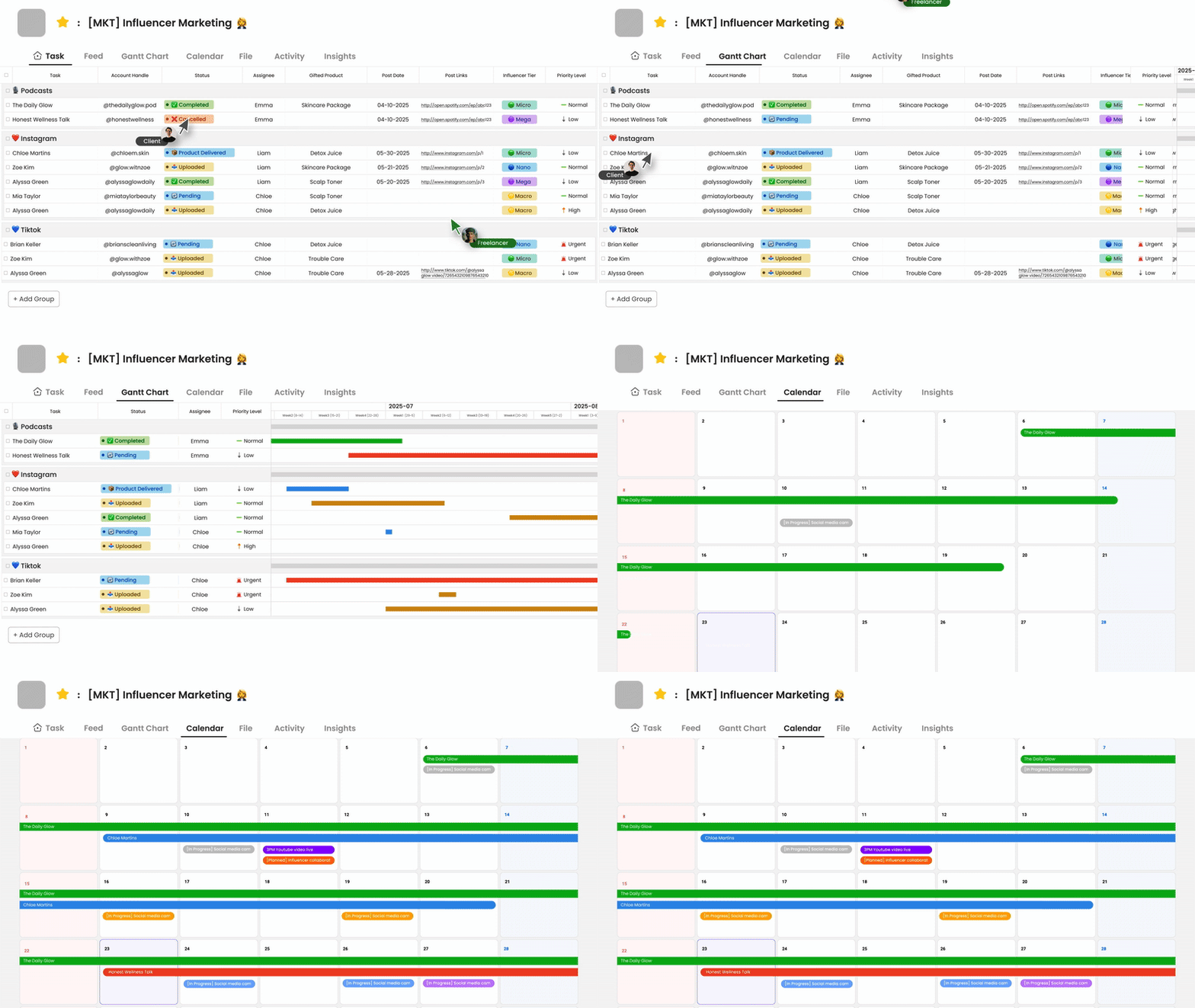
Collaboration is at the heart of a supportive work environment. Encouraging team members to collaborate not only improves productivity but also strengthens the team bond and boosts morale. Leaders can promote collaboration by creating projects that require collective effort, thereby encouraging team interactions and synergy.
- Plan regular team-building activities
- Create cross-functional project teams
- Utilize digital tools for seamless collaboration
With the right tools and strategies, you can cultivate a collaborative and supportive team dynamic.
Ongoing Professional Development
Providing opportunities for professional growth is a vital component of improving team morale. Employees who feel they are learning and advancing in their careers are more likely to be motivated and satisfied with their jobs. Invest in training and development programs that align with both company goals and individual aspirations.
Encourage team members to set personal development goals and offer resources to help them achieve these objectives. This could include access to workshops, online courses, or mentorship programs.
Customizing Development Plans
An individualized approach to professional development is more effective than a one-size-fits-all strategy. Work with employees to create personalized development plans that consider their strengths, weaknesses, and career goals. This approach not only boosts morale but also enhances employee loyalty and performance.
- Assess individual skills and identify areas for growth
- Provide resources for continuous learning
- Encourage goal-setting and progress tracking
By focusing on tailored development initiatives, you can enhance morale and build a robust, skilled team.
Investing in Team Morale
Improving team morale is a continuous effort that requires dedication and thoughtful strategies. Implementing practices that promote communication, recognition, support, and professional development can transform your workplace into a dynamic, motivated, and resilient environment. Recognize that every step you take toward understanding and enhancing morale will pay dividends in employee satisfaction and organizational success.
As you implement these strategies, consider how tools like Morningmate can assist in creating a cohesive and collaborative team atmosphere. By leveraging technology, you can streamline processes and enhance communication, ensuring that your team stays connected and engaged in their work.
Take action today by reviewing your current practices and identifying areas for improvement. Commit to building a workplace where high morale is the norm, and watch your team thrive in 2026 and beyond.