

Retail onboarding is the cornerstone of a successful retail business practice, yet it often falls short of expectations. When onboarding breaks down, it can lead to confusion, lower productivity, and ultimately, lost revenue. Fortunately, implementing a robust task system can streamline processes and enhance the onboarding experience for both employees and the company.
Today’s retail environment demands efficiency and agility. Businesses that fail to onboard their staff effectively risk lagging behind in a competitive marketplace. Understanding why retail onboarding breaks down is the first step in addressing this issue. From there, utilizing a task system can provide much-needed structure and clarity. Let’s explore why your onboarding might be faltering and how to fix it with a reliable task management tool.
Common Pitfalls in Retail Onboarding
A successful onboarding program requires careful planning and execution. Unfortunately, many retail businesses encounter common pitfalls that disrupt this process. Identifying these challenges is crucial for improving onboarding methods and overall operational efficiency.
Lack of Standardization
Standardization is key in ensuring that every new hire receives the same information and training. Without a standardized process, onboarding may become inconsistent, leaving gaps in employee knowledge and impacting team performance.
Insufficient Resources
Resource constraints, such as inadequate staff or insufficient training materials, can hinder effective onboarding. Not having the right tools and resources can delay the process and lead to disengaged employees.
Inadequate Feedback Mechanisms
Without reliable mechanisms for feedback, new employees may struggle with unclear expectations and unresolved issues. This can lead to frustration and high turnover rates.
How a Task System Improves Onboarding
Integrating a task system into your retail onboarding process can bridge the gaps caused by common pitfalls. By introducing structure and clarity, a task system ensures that new employees are well-informed and equipped for their roles.
Ensuring Consistency
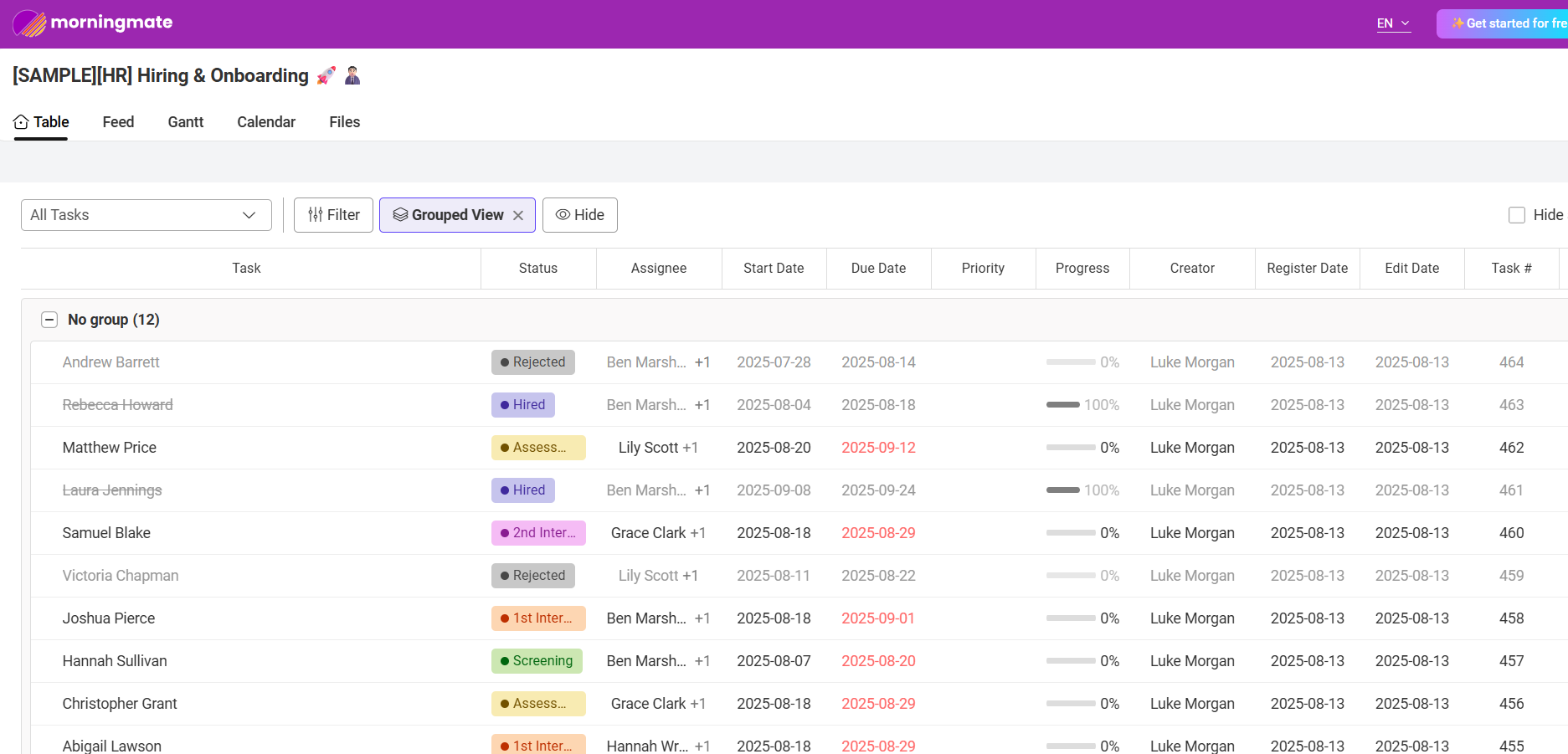
A well-designed task system standardizes the onboarding process, ensuring every employee receives the same foundational training. This consistency reduces confusion and helps maintain high performance across the board.
- Automate routine training tasks to save time and ensure uniformity.
- Track progress and completion of onboarding modules.
Consider using Morningmate’s comprehensive task management system to create and monitor your onboarding tasks efficiently.
Facilitating Resource Allocation
An effective task system allocates necessary resources where they are most needed. It aids in managing human resources, training content, and scheduling to optimize the onboarding process.
- Assign tasks and responsibilities clearly to both trainers and trainees.
- Identify resource bottlenecks proactively.
Enhancing Feedback and Communication
Feedback is crucial for the development of new employees. A task system can facilitate regular communication between trainers and staff, ensuring that any issues are addressed promptly to prevent escalation.
- Incorporate regular check-ins within the task workflow.
- Use feedback forms to continuously refine onboarding practices.
Implementing a Task System: A Step-by-Step Guide
Now that we understand the benefits of a task system, it’s time to implement it effectively. This guide will help you integrate a task management system into your onboarding process seamlessly.
Step 1: Assess Current Onboarding Procedures
Before making any changes, evaluate your existing onboarding process. Identify areas that lack clarity and efficiency, and use these insights to inform your task system strategy.
Step 2: Develop Standardized Task Lists
Create comprehensive task lists that outline each step of the onboarding process. Include deadlines, assigned roles, and necessary resources to ensure all aspects are covered.
Step 3: Choose the Right Task System
Select a task management tool that meets your specific business needs. Consider features like automation, integrations, and ease of use. Morningmate could be an excellent choice to support your onboarding endeavors.
Step 4: Train Staff on the New System
Ensure that your team is familiar with the task system. Provide training sessions and resources to help them understand how to use the tool effectively in their daily operations.
Step 5: Monitor and Adjust
After implementation, continuously monitor the onboarding process through the task system. Collect feedback, analyze performance metrics, and make necessary adjustments to improve efficiency and outcomes.
Streamline Onboarding for Retail Success
Retail onboarding doesn’t have to be a pain point. By identifying where the process typically breaks down and implementing a robust task system, you can transform onboarding into a seamless and productive experience. With a streamlined process, retail businesses can ensure that their teams are ready to meet any challenge.
Ready to elevate your onboarding process? Explore how Morningmate can integrate seamlessly into your operations and drive your business forward in 2026.