In the rapidly evolving landscape of business tools, the distinction between communication and work management platforms often becomes blurred. Many teams, eager to enhance productivity, mistakenly rely solely on communication tools, expecting them to manage work and projects effectively. This misconception can result in inefficiencies and missed deadlines, primarily due to the lack of structured project management features.
Understanding the differences between these types of tools and the specific roles they play is crucial for teams aiming to optimize their workflows. By gaining clarity on this issue, businesses can strategically implement solutions that balance communication and comprehensive work management, ultimately driving performance improvements and team satisfaction.
Understanding Communication Tools
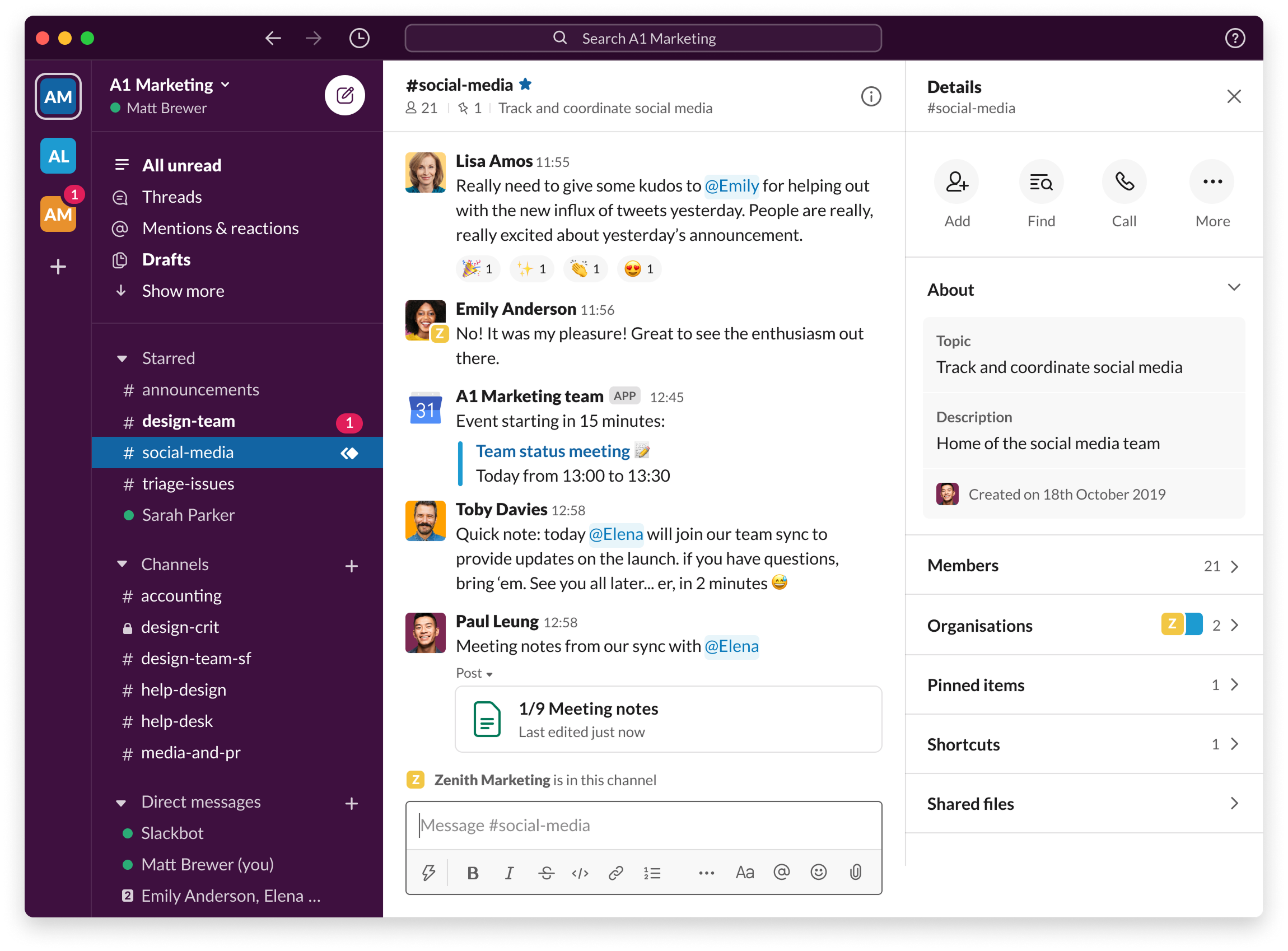
Communication tools are designed to facilitate interactions and the exchange of information within and across teams. Popular examples include platforms like Slack, Microsoft Teams, and Zoom. Their primary strength lies in their ability to break down barriers of distance and time, enabling seamless conversations and shared document access.
These tools are indispensable for maintaining open lines of communication and ensuring quick decision-making processes. However, while they excel in connectivity, they are not equipped for task organization and tracking, which are essential components of effective work management.
What are Work Management Tools?
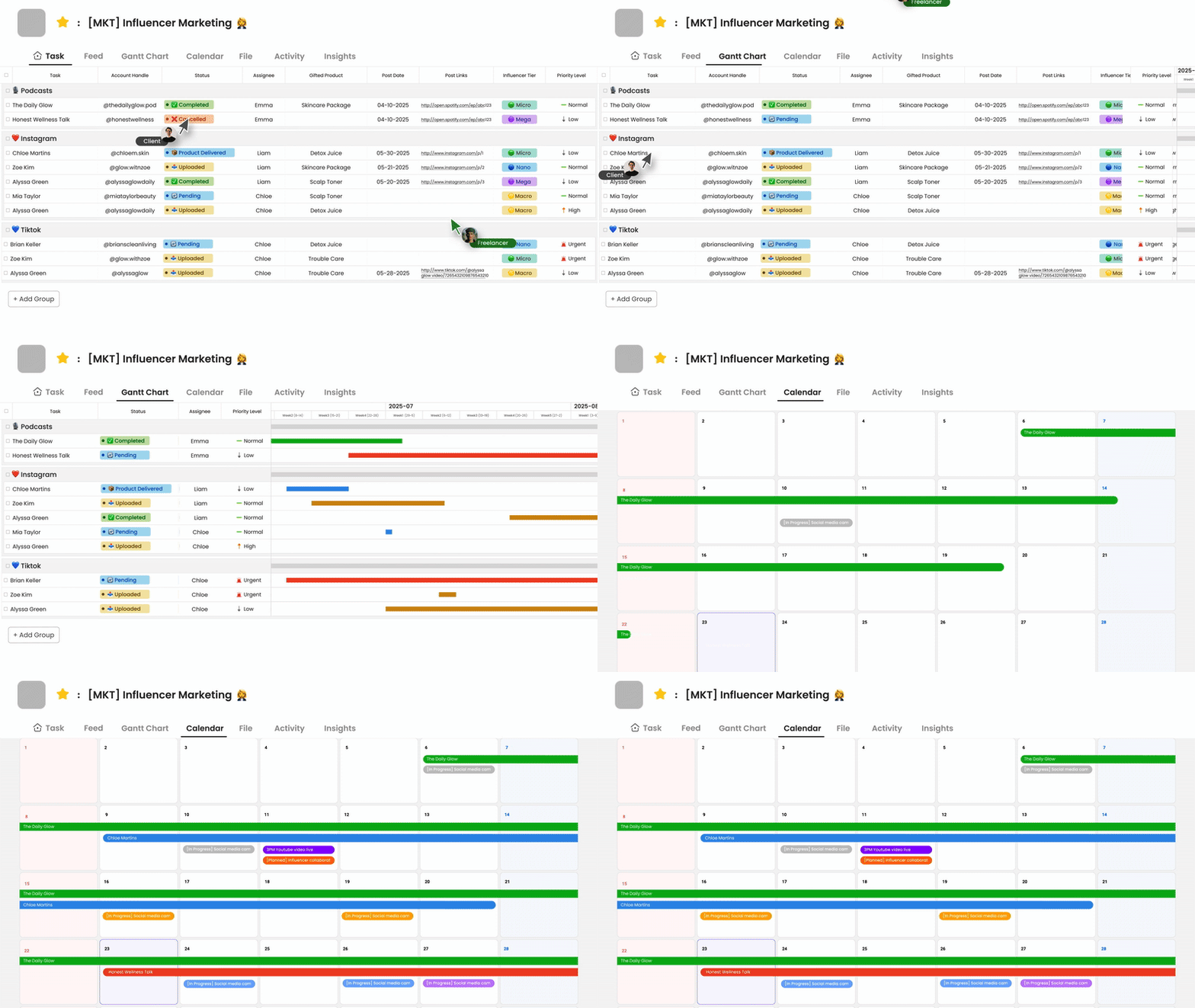
Work management tools, in contrast, are designed to plan, track, and assess work on a broad scale and in detailed steps. They provide a framework for defining tasks, assigning responsibilities, and setting deadlines. Examples include Morningmate, Asana, and Monday.com, each offering varied functionalities to cater to different organizational needs.
These platforms offer features like Gantt charts, kanban boards, task lists, and reporting dashboards, which are critical for managing projects efficiently. Such capabilities are not commonly found in communication tools, highlighting their distinct role in work management.
Common Reasons for Confusion Between Tools
Despite the clear distinctions, teams often confuse communication tools with work management platforms. Several reasons contribute to this confusion:
- Overlapping Features: Some communication tools have integrated basic task tracking features, leading users to believe these platforms can handle comprehensive project management.
- Habitual Use: Teams familiar with a particular tool for communication may prefer expanding its use to manage work rather than adopting a new system.
- Cost Concerns: Businesses often seek to minimize expenses by utilizing one tool for multiple purposes, overlooking the limitations in doing so.
To thrive, organizations must recognize these reasons and address them by reevaluating their technology stack. Embracing purpose-built work management solutions can bridge the gap between communication and comprehensive project oversight.
Identifying Your Team’s Needs
Before selecting tools, it’s crucial to assess your team’s specific needs. Consider the following steps to determine whether a communication or a work management tool, like Morningmate, best suits your requirements:
- Evaluate Communication Needs: Identify the frequency and nature of your team’s interactions. Are they more collaborative or directive?
- Assess Project Complexity: Determine the level of detail and structure required to track and manage tasks effectively.
- Current Use of Tools: Analyze existing tool usage to identify gaps that might be filled by a specialized work management platform.
By asking these questions, teams can make informed decisions that enhance both communication and work management, preventing confusion and ensuring all tasks and projects are handled proficiently.
Integrating Communication with Work Management
Strategically integrating communication and work management tools can help eliminate confusion and boost productivity. Consider these best practices:
1. Leverage Integrations: Many work management tools, including Morningmate, offer integrations with popular communication platforms, allowing seamless sharing of updates and files.
2. Define Clear Processes: Establish distinct processes within your workflow that utilize both tool types to maximize productivity.
3. Continuous Training: Regularly train your team on the effective use of both platforms. This helps eliminate misconceptions and fosters better utilization.
Implementing these strategies ensures your teams benefit from both tools without confusing their distinct purposes. By doing so, productivity enhances, and communication remains effective across all levels.
Making the Right Choice
Distinguishing between communication and work management tools is integral for any team aiming to optimize their operations. Understanding and leveraging the unique benefits of each ensures that teams are not only communicating effectively but also managing their work with the precision necessary for success. Implementing separate but integrated systems respects the complexity of both tasks and interactions, enabling teams to perform at their best.
For those looking to enhance their work management capabilities comprehensively, consider exploring comprehensive solutions like Morningmate that bridge the gap between communication and project management, offering an all-in-one platform tailored to meet diverse organizational needs.