
In the ever-evolving realm of project management tools, small teams often find themselves on the lookout for efficient alternatives to suit their unique needs. Basecamp, a popular choice among larger organizations, may not always offer the agility that smaller groups require. Here we explore alternatives tailored to the dynamics of small teams, focusing on improving productivity and collaboration without overwhelming complexity.
Small teams thrive on nimble and streamlined project management solutions that provide more than just basic task management. They need tools that support seamless communication, file sharing, and flexibility while aligning with budget constraints. Discovering a powerful Basecamp alternative can be the key to unlocking potential, fostering innovation, and ensuring successful project outcomes for small teams.
Every team has its workflow and distinctive characteristics. Thus, choosing the right tool is not just about finding a Basecamp alternative, but about finding the right fit. Efficiency, simplicity, and adaptability to specific team needs are factors that can’t be overlooked.
Why Consider Basecamp Alternatives?
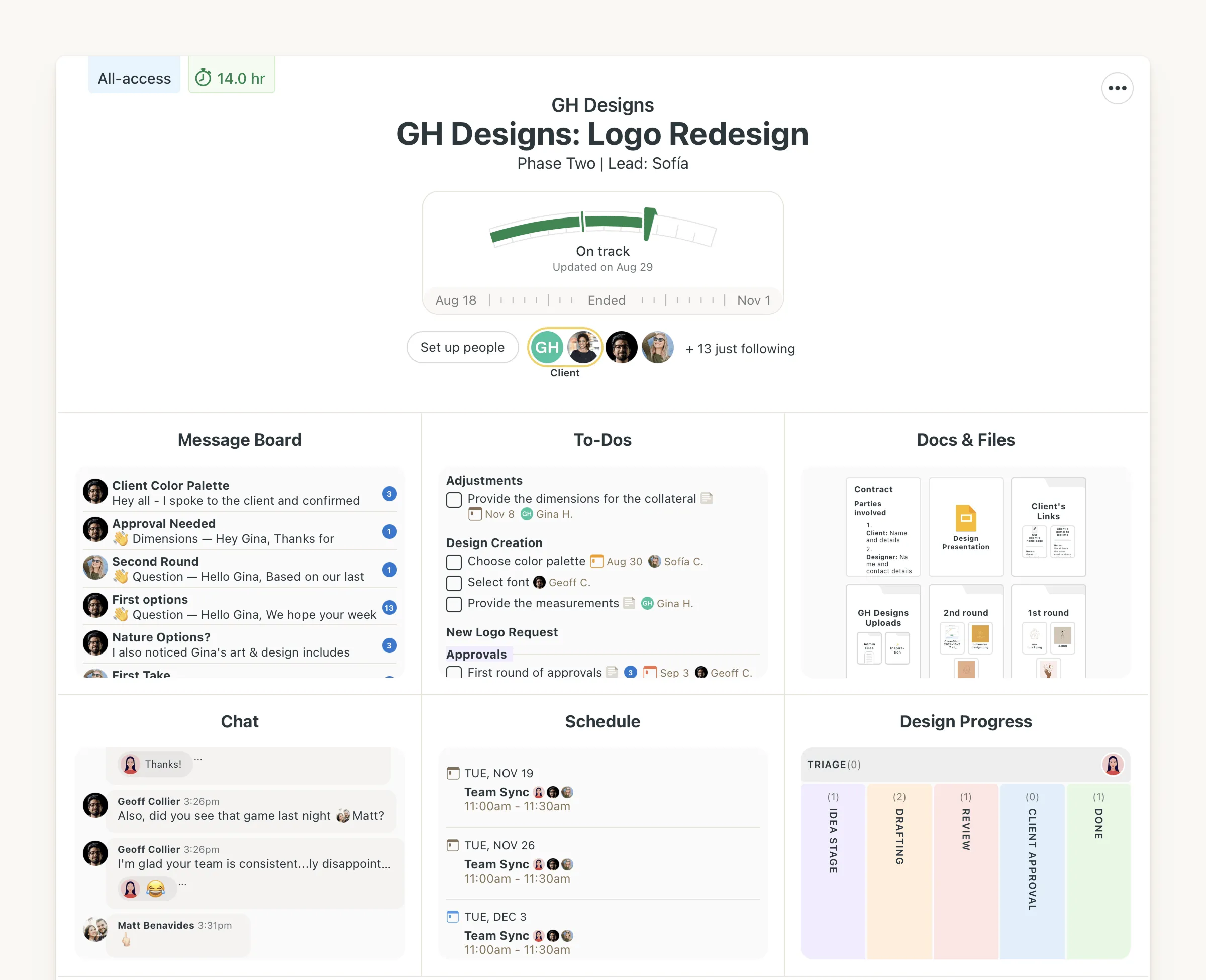
Basecamp is a robust platform, but its extensive feature set and one-size-fits-all approach might not be conducive to smaller, more agile teams. While it excels in providing a centralized hub for project management, it may feel unnecessarily complex for teams that require less overhead. Exploring alternatives is beneficial for discovering systems tailored to niche requirements without the excess.
Smaller teams often lack the resources for extensive onboarding and training. They need intuitive tools that enable them to focus on project goals rather than mastering the software. Finding an alternative designed with simplicity in mind can dramatically boost productivity and eliminate the hassle of adaptation.
Cost Efficiency
Budget constraints are a reality for most small teams. Basecamp’s pricing model, while straightforward, lacks the flexibility smaller teams might need. Seeking out a Basecamp alternative with tiered or simpler pricing can make a significant impact on a team’s budget.
Tools that offer basic plans or pay-as-you-go pricing allow teams to scale their expenses according to their growth and current financial situation. This approach can lead to more sustainable financial planning and less pressure on the team’s resources.
Features to Look For in a Basecamp Alternative
Choosing a project management tool involves balancing essential features with those that offer extra value. Alternatives to Basecamp are often designed specifically to fill in the gaps where larger tools might fall short for small operations.
Streamlined Communication
Effective communication is the backbone of any successful project. A Basecamp alternative should excel in providing streamlined communication interfaces. Integrating chat, comments, and video conferencing features can facilitate seamless interaction among team members even when working remotely.
Quick access to discussion threads, immediate responses, and notification controls ensure that team members stay on the same page without sifting through cluttered emails or disjointed messaging systems.
Task Management and Reporting
For project management effectiveness, a tool needs to offer robust task management capabilities. Beyond simple to-do lists, alternatives should provide task dependencies, prioritization, and progress tracking. Visual dashboards can offer snapshots of project status, allowing teams to maintain transparency.
Automated reporting features save time, offering insights into project timelines and resource allocation, crucial for maintaining a project on schedule and within scope.
Customization and Integration
A good Basecamp alternative should allow for customization to accommodate unique workflows and processes. The ability to tailor work boards, labels, and reports can greatly enhance functionality and user satisfaction.
Additionally, integrations with existing tools such as file storage, calendars, and CRM systems enable a cohesive technological ecosystem. This interconnectedness is vital in reducing duplicate efforts and simplifying workflows.
Top Basecamp Alternatives for Small Teams
When seeking a Basecamp alternative, it’s important to evaluate multiple options and select the one that best fits specific team needs. Below are some of the top contenders that offer a balanced mix of functionality and usability.
Asana
Asana is renowned for its user-friendly interface and its focus on task management. With features such as task assignments, due dates, and project timelines, it’s an excellent tool for small teams looking to manage workflows efficiently.
Asana’s integration with communication tools such as Slack and file-sharing apps like Dropbox enhances collaboration without the need to switch between various applications, keeping teams focused.
Trello
Trello offers a visual approach to project management through customizable boards and cards. Its straightforward drag-and-drop functionality is perfect for teams needing an intuitive yet powerful tool. Trello’s flexibility allows small teams to scale their project management as their needs evolve.
With Power-Ups, Trello can extend its capabilities, integrating with tools like Google Drive, Jira, and Microsoft Teams, making it invaluable for maintaining a connected work environment.
Monday.com
Monday.com provides an all-in-one work operating system that enables small teams to manage workflows and projects efficiently. With its visual and customizable dashboards, teams can track progress in real-time and adjust project parameters as necessary.
The platform’s robust automation capabilities help reduce repetitive tasks, allowing team members to concentrate on high-value activities and increasing overall productivity.
Morningmate
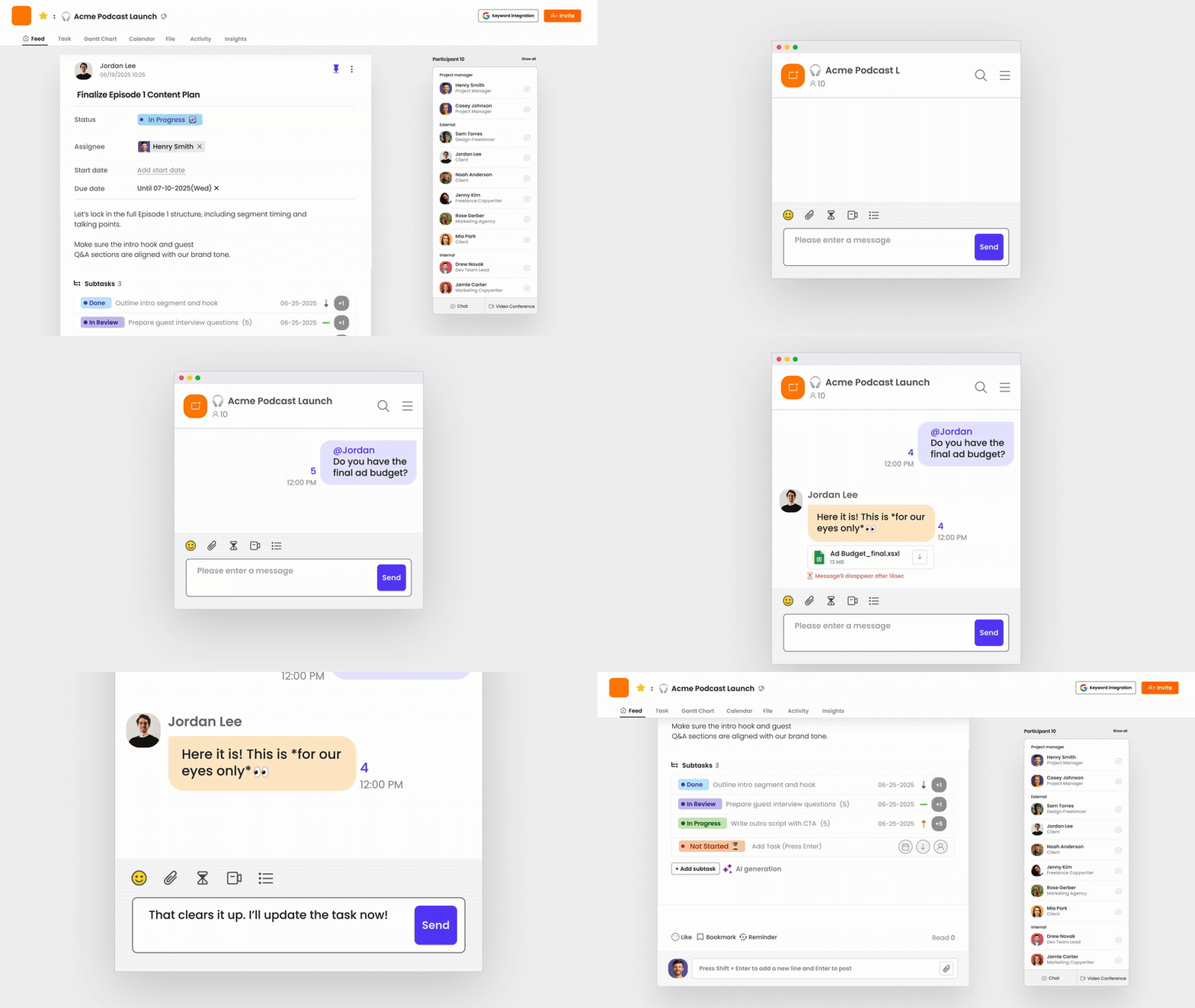
Morningmate offers a fresh perspective on collaboration and productivity. Specifically designed for small to medium-sized teams, it integrates task management with communication features to keep projects on track. It combines simplicity with functionality, making it a viable alternative for teams that need a straightforward solution.
Morningmate’s intuitive interface reduces the learning curve, ensuring teams can hit the ground running and adapt swiftly to project demands.
Implementing Your Chosen Tool
After selecting the right Basecamp alternative, successful implementation within a team setting is paramount. Proper integration and user adoption are critical to maximizing the benefits of the new system.
Steps to Seamless Implementation
To implement your chosen tool effectively, follow these key steps:
- Set Clear Objectives: Define what goals the tool should help the team achieve.
- Engage Stakeholders: Ensure that all team members participate in the adoption process and provide input.
- Pilot Testing: Run a pilot test with a smaller team to identify potential issues and optimize the setup.
- Provide Training: Facilitate training sessions to equip the team with the necessary skills to utilize the tool fully.
- Monitor and Adjust: Continuously gather feedback and make adjustments as needed to improve user experience.
Successful implementation is about creating an ecosystem where the tool naturally fits within existing workflows and enhances them rather than disrupts them.
Conclusion
Exploring Basecamp alternatives for small teams is not just about finding a replacement, but about discovering opportunities for enhanced collaboration, efficiency, and project success. Whether focusing on cost efficiency or streamlined communication, the right tool can foster a productive environment that caters to the unique dynamics of small teams.
The project management landscape in 2025 is rich with choices tailored to specific team sizes and goals, allowing small teams to advance their productivity and collaboration seamlessly. With a thoughtful approach to selection and implementation, any team can unlock their full potential and achieve their strategic vision.