
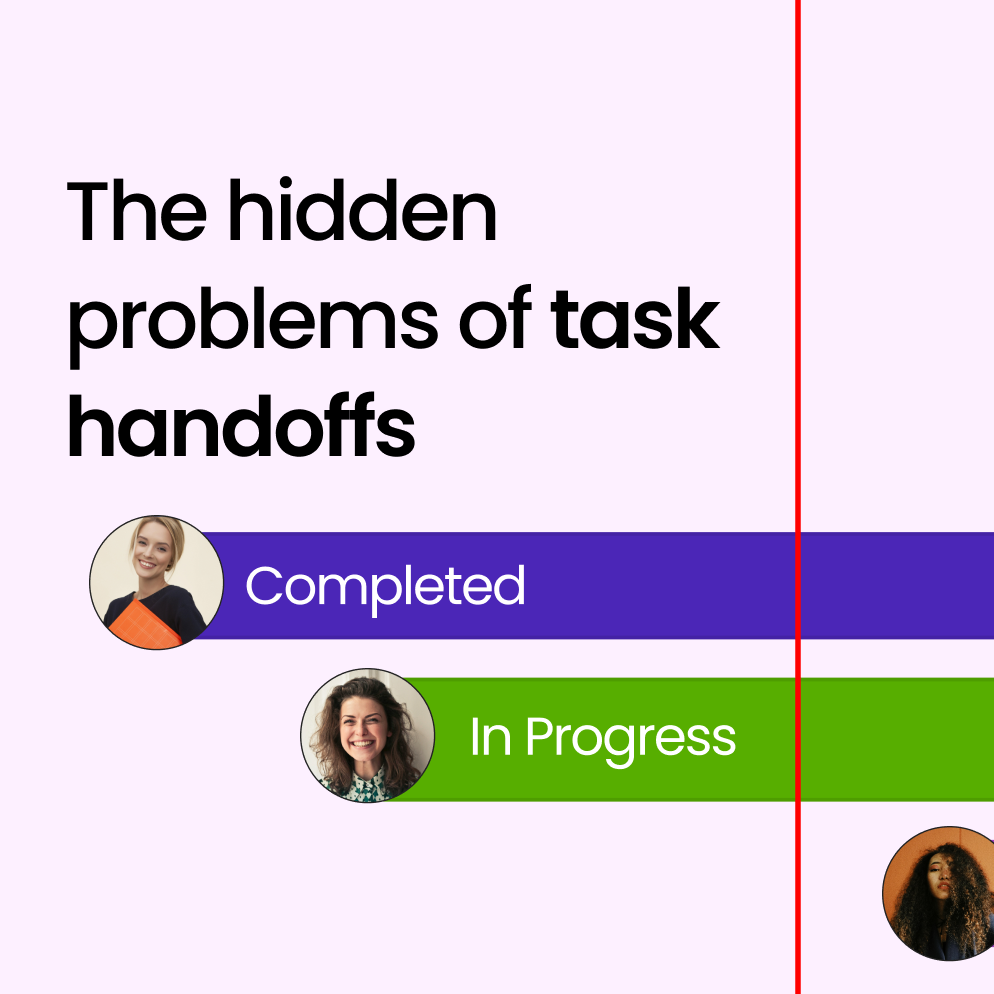
Work Doesn’t Usually Get Stuck Where You Think
When a project slows down, most teams look at the obvious places.
They check deadlines.
They look at individual performance.
They ask if something took longer than expected.
But more often than not, the delay didn’t happen during the work itself. It happened between the work. In that small window where one person finishes something—and the next person is supposed to pick it up.
The Quiet Gap Between “Done” and “Started”
Every team has handoffs: Design passes work to marketing. Marketing passes it to sales. Operations passes it to finance.
On paper, it’s simple. But in reality, that transition point is where things start to slip. Someone finishes a task and sends a quick message.
“Hey, this is done.” Maybe it’s in email. Maybe it’s in WhatsApp. Maybe it’s in Microsoft Teams. The next person sees it—but not immediately. Or they see it, but don’t realize it’s urgent. Or they assume they’ll get to it later. And just like that, a few hours turn into a day. A day turns into a delay. Not because anyone dropped the ball. But because the handoff wasn’t clearly structured.
Why Handoffs Break More Often Than We Realize
Most teams don’t have a defined handoff process. It usually relies on:
- a message
- a mention
- or a quick verbal update
Which works—until it doesn’t. The issue isn’t effort. It’s clarity. When a task is handed off informally, a few things become unclear:
- Is the work fully complete, or still in progress?
- Who is now responsible for the next step?
- When should it be picked up?
- What context is needed to move forward?
Without clear answers, the receiving side has to interpret what to do. And interpretation is where delays begin.
The Ripple Effect of One Missed Handoff
A single delayed handoff doesn’t seem like a big deal. But over time, it compounds. One task sits for a few hours longer than expected. That pushes the next task. Which affects the next team. Which eventually impacts the final deadline. From the outside, it looks like:
“Everything is just moving slower than it should.” But internally, it’s a series of small gaps adding up.
Why This Is Hard to Fix With Just Communication
The natural response is to improve communication.
“Let’s be more proactive.”
“Let’s send clearer updates.”
“Let’s follow up more quickly.”
And while that helps a little, it doesn’t solve the root issue. Because handoffs aren’t just about communication. They’re about structure. You can send a perfectly clear message—but if there’s no system defining ownership and timing, it still depends on someone noticing and acting on it. That’s where things break down.
What a Clear Handoff Actually Looks Like
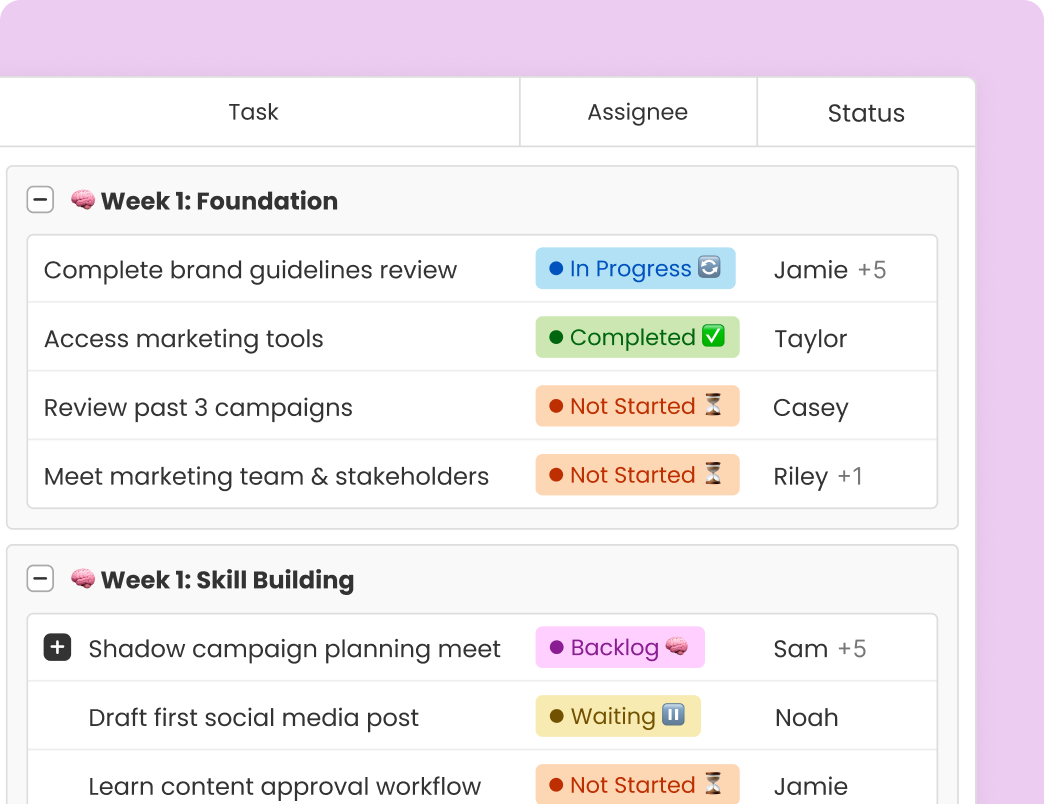
A strong handoff doesn’t rely on someone remembering to follow up. It’s built into the workflow. Instead of “Hey, this is done,” it becomes:
- The task is marked complete
- The next owner is clearly assigned
- The context is already attached
- The status is visible to everyone involved
No extra message needed, no guessing required. The transition happens naturally—because the system supports it.
A Small Structural Change That Removes Delays
One of the simplest ways to improve handoffs is to make them part of the task itself. Instead of treating work as separate pieces across different tools, everything lives in one place:
- the task
- the conversation
- the files
- the ownership
So when one person finishes, the next step is already defined. There’s no gap between “done” and “started.”
How to Establish Structured Handoffs
This is exactly the kind of workflow Morningmate is designed for. In Morningmate, work isn’t just communicated—it’s structured.
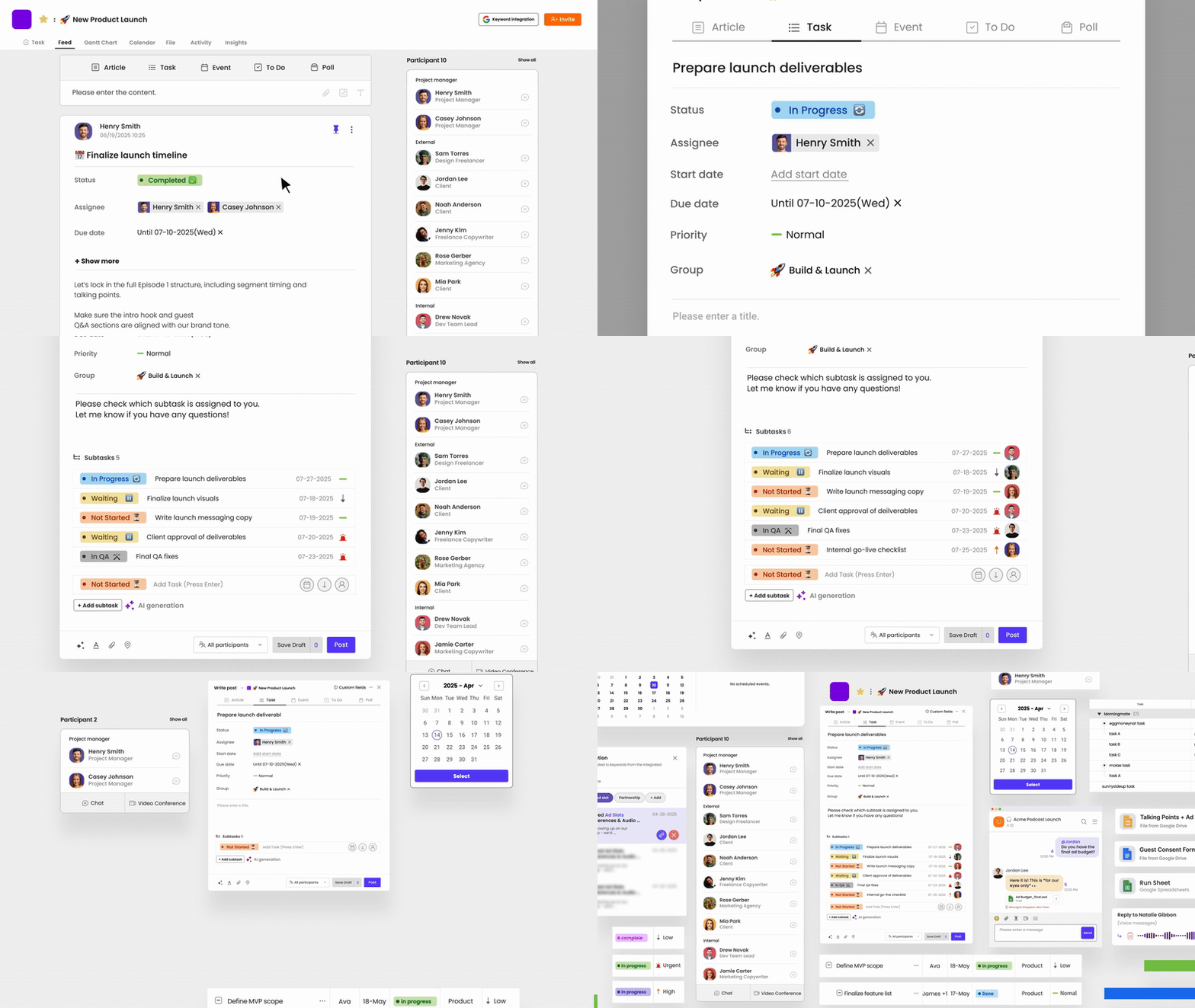
Each task has a clear owner, and when work moves from one person to another, that transition is visible and trackable. Conversations stay connected to the task itself, so the next person has all the context they need without searching through messages. Instead of relying on reminders or follow-ups, the workflow itself guides what happens next. It’s a simple shift—but it removes a lot of the friction teams experience every day.
What Teams Notice When Handoffs Improve
Once handoffs become more structured, the difference is noticeable.
Work moves more smoothly between teams.
Fewer tasks sit idle without explanation.
People spend less time checking in and following up.
And most importantly, projects feel more predictable. Not because things are moving faster—but because they’re moving consistently.
If Work Often Feels “Stuck” for No Clear Reason
If you’ve ever felt like projects slow down for reasons you can’t quite pinpoint, there’s a good chance handoffs are part of it.
It’s not always obvious.
It’s not always tracked.
But it’s one of the most common reasons work doesn’t flow as smoothly as it should. The good news is, it’s also one of the easiest things to improve—once you make it visible.