

Operations teams often find themselves entangled in a web of approvals that must be navigated arduously without a central system. The lack of a unified platform to track approvals can lead to delays, miscommunications, and inefficiencies that hamper the productivity of the team. In a digital age where technology could ease these pain points, the struggle to streamline approval processes remains a persistent challenge for many organizations. Let’s explore why ops teams struggle in tracking approvals without a central system and how they could potentially overcome these hurdles.
The complexity of managing multiple approvals from different stakeholders adds to the chaos. Decisions and signatures must be obtained sequentially, often involving numerous departments and external partners. Without a central system, ops teams risk losing track of who has approved what, leading to bottlenecks and errors that could otherwise be avoided. Additionally, relying on email chains, spreadsheets, and disparate software solutions only complicates matters further.
Our examination begins with an understanding of the challenges that ops teams face when approval processes are decentralized and how a unified system can offer significant improvements. For businesses seeking seamless collaboration and efficiency, recognizing these operational hurdles is a crucial step towards transformation.
The Challenges of Decentralized Approval Tracking
Without a central system, ops teams face numerous challenges that make tracking approvals a time-consuming task. These issues stem from fragmented communication, unclear accountability, and the sheer volume of approvals needed within an organization. Each of these challenges can severely impact an ops team’s effectiveness. Understanding them is the first step towards finding suitable solutions.
- Lack of visibility and transparency
- Increased chances of errors and delays
- Difficulty in managing stakeholder expectations
Without centralized approval tracking, operations teams struggle to maintain visibility over who has approved what and when. This lack of transparency can lead to duplication of work or missing approvals altogether. In fast-paced environments, such errors can have significant consequences, including delayed project timelines and increased operational costs.
The Impact on Stakeholder Communication
Decentralized systems often hinder effective communication among stakeholders. Keeping everyone in the loop requires constant updates, which can be cumbersome via email or meetings—often leading to version control issues and data silos. A fracture in communication results in stakeholders being dissatisfied with the timeliness and accuracy of updates.
The Strain on Productivity
Ops teams are burdened with manually tracking approvals, which diverts their focus from more strategic initiatives. This inefficient usage of time and resources can reduce overall productivity, affecting the team’s ability to achieve business goals. Leveraging an integrated system not only enhances productivity but also boosts morale by automating routine tasks.
The Benefits of a Central Approval System
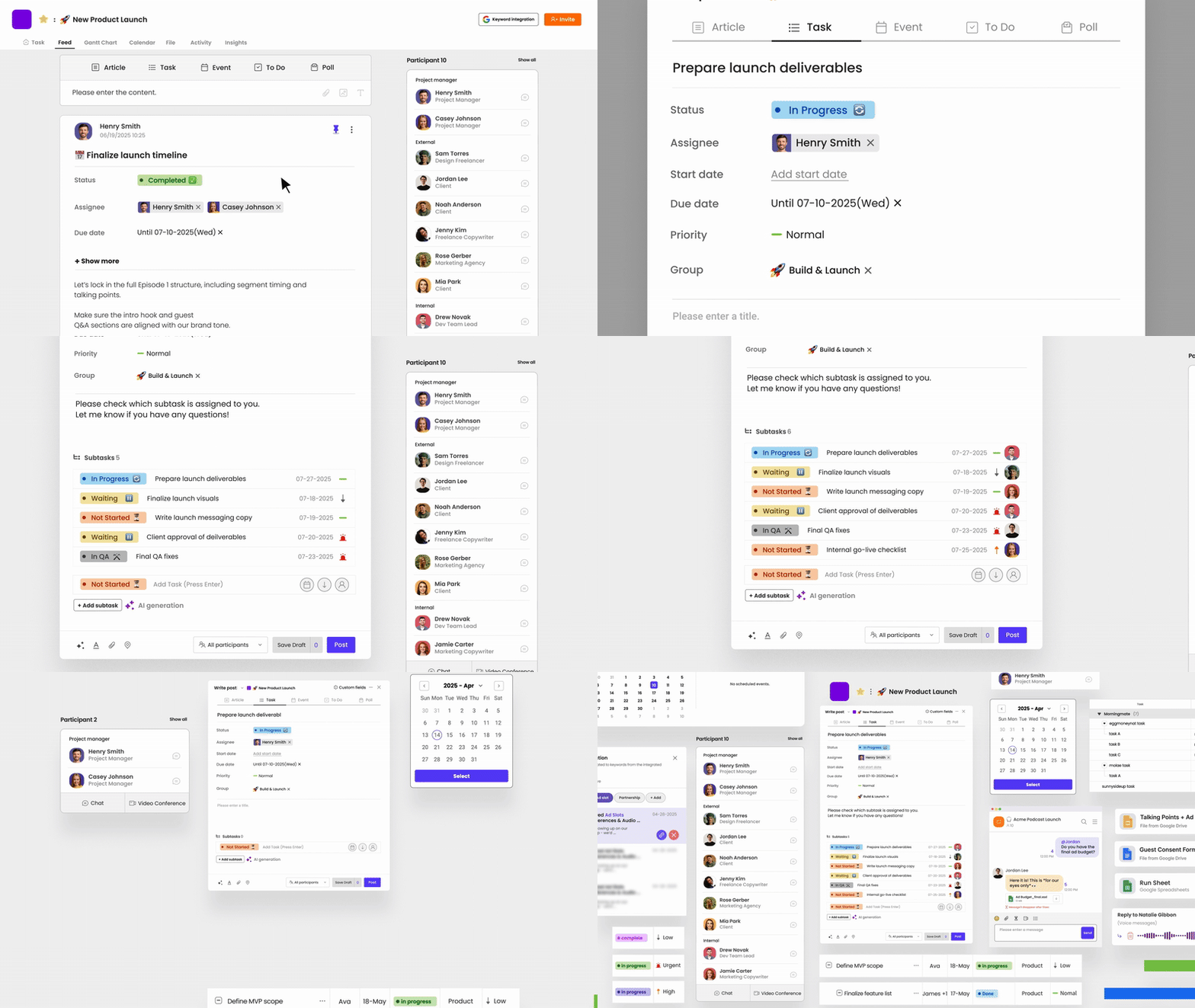
A central approval system offers a single source of truth for all stakeholders, providing unparalleled visibility into the status of approvals. By unifying the approval process, ops teams can significantly enhance their operational efficiency and accuracy. Let’s delve into the key benefits of adopting a central system for tracking approvals.
- Improved transparency and control
- Reduced error rates
- Accelerated decision-making
Central systems allow for automated tracking and reporting of approvals, reducing the administrative burden on ops teams. This automation frees up time for strategic planning and enables teams to make quicker, more informed decisions. Additionally, the real-time insights offered by such systems can be pivotal in maintaining competitive advantages.
Streamlining Communication
When everyone has access to the same information in a central location, transparency increases, leading to better communication across the organization. This fosters a culture of accountability and trust, where stakeholders are confident that processes are being handled efficiently and without unnecessary bottlenecks.
Early on, you can embed such a central system with Morningmate, an all-in-one work management tool that excels at bringing clarity and coordination to your business operations.
Implementing a Central System: Key Considerations
Transitioning to a central approval system involves careful planning and a solid understanding of your organization’s existing workflows. It is imperative to identify the features that are most relevant to your needs and ensure that there is buy-in from all necessary stakeholders.
- Conduct a thorough needs assessment
- Engage stakeholders early
- Select a platform that integrates seamlessly
- Invest in training and change management
Choosing the right system means looking for options that offer flexibility, scalability, and robust security. Systems like Morningmate can offer tailored solutions that align with your operational goals while providing ease of use and rich integration capabilities.
Ensuring a Smooth Transition
The success of any new system relies heavily on how well it is adopted throughout the organization. You will need to focus on proper training and support to ensure that all users are comfortable and proficient with the new tool. Moreover, establish clear protocols and documentation to support ongoing use and troubleshooting.
Embracing a Central Approval System
The struggle with tracking approvals without a central system highlights the critical need for ops teams to shift towards a more integrated approach. As we’ve explored, the numerous challenges associated with decentralized systems not only slow down operations but also limit the strategic capacity of the team. A central system stands as a powerful solution, driving efficiency, transparency, and better communication across the board.
By embracing tools like Morningmate for managing approvals, businesses can unlock higher productivity rates and ensure that all stakeholders are aligned with organizational goals. Don’t wait to optimize your approval processes—consider transitioning to a central system today to experience the benefits first-hand.