Burnout is a common challenge that teams face in today’s fast-paced work environment. Recognizing burnout signs early can make a significant difference in maintaining productivity and promoting well-being among team members. Understanding the early indicators of burnout and taking proactive steps to address them is essential in keeping your team motivated and engaged.
In this article, we’ll delve into the warning signs of burnout, explore how they can affect your team’s performance, and provide actionable strategies to prevent and manage burnout effectively. By identifying these signs, you can foster a healthier work environment and support your team in achieving sustainable success.
Whether you’re a manager or a team member, recognizing burnout is crucial to sustaining a productive and positive work culture. Let’s explore how you can identify and address burnout signs in your team.
Understanding Burnout: What It Is and Why It Happens
Burnout is a state of physical, emotional, and mental exhaustion caused by prolonged or intense stress. It often occurs when team members feel overwhelmed, undervalued, or unable to meet constant demands. Understanding the root causes of burnout can help in identifying signs early and implementing preventive measures.
Common causes of burnout include excessive workload, unclear goals, lack of control over work, and insufficient support from management. Recognizing these factors within your team environment is the first step towards addressing burnout.
Top Signs Your Team is Burned Out at Work
Identifying burnout signs can be challenging, but it’s necessary for maintaining team health and productivity. Here are key indicators to watch for:
Decline in Productivity
One of the earliest and most noticeable signs of burnout is a drop in productivity. Team members may struggle to complete tasks they once handled with ease or take longer to meet deadlines. This decline often stems from exhaustion and reduced motivation.
To counteract this, reassess workloads and priorities with your team to ensure they are manageable and aligned with individual capabilities. Encourage open discussions about workload challenges to identify specific areas where team members need support.
Increased Absenteeism
Frequent absenteeism can indicate that team members are trying to escape a stressful work environment. This avoidance can also affect team morale and productivity as others may need to pick up the slack.
Address absenteeism by speaking with team members to understand their struggles and create a supportive environment that encourages regular attendance. Implement flexible work schedules or work-from-home opportunities when possible.
Lack of Engagement
Disengagement is another clear sign of burnout. Team members might seem indifferent, withdrawn, or less participative in meetings and collaborative efforts. They may also show little interest or enthusiasm toward their work.
Engage team members by fostering a sense of community and inclusion. Incorporate team-building activities and regular check-ins to boost morale and remind them of their value to the team’s success.
Emotional and Physical Exhaustion
Burnout is often accompanied by symptoms of fatigue that are both physical and emotional. Team members may feel drained, complain about poor sleep, or appear emotionally fragile and on edge.
To combat exhaustion, prioritize a work-life balance by setting clear boundaries for work hours. Encourage taking breaks and time off to recharge. Promote wellness initiatives within your team to foster overall well-being.
Cynicism and Negative Attitude
Burned-out employees may exhibit negative attitudes or be critical of their work environment and teammates. This cynicism can stem from feeling undervalued or unsupported in their roles.
Address negativity by creating a culture of feedback and appreciation. Recognize and celebrate individual and team achievements to reinforce positive behavior and attitudes.
Strategies to Prevent and Overcome Burnout
Preventing and managing burnout requires intentional efforts and a supportive work culture. Here are effective strategies to help your team:
Foster Open Communication
Create an environment where team members feel comfortable voicing their concerns and suggestions. Encourage managers to hold regular one-on-one meetings to discuss workload and stress levels.
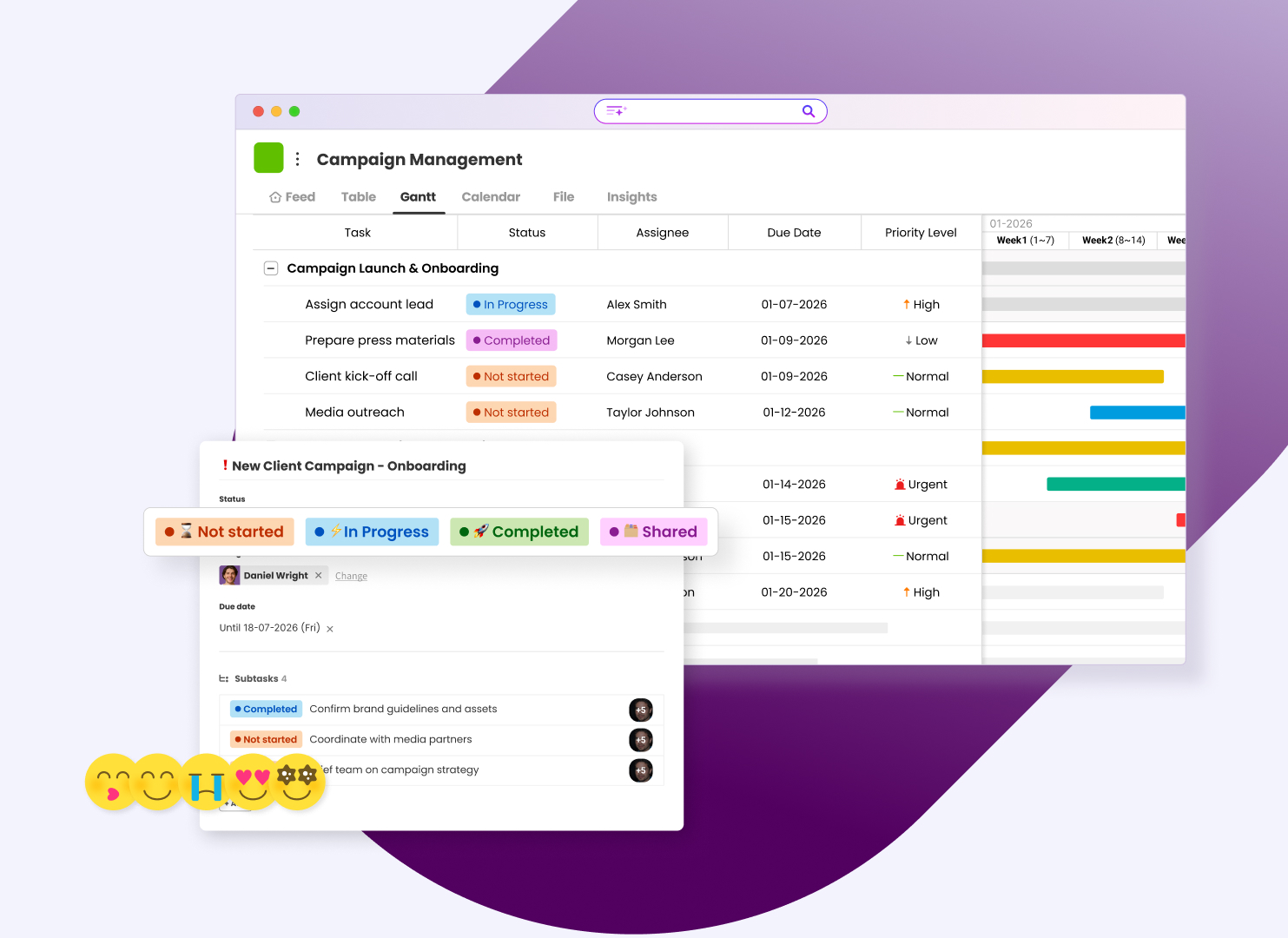
Tools like Morningmate can enhance team communication by facilitating discussions and sharing feedback efficiently. This open dialogue is crucial for recognizing potential burnout early on.
Provide Professional Development Opportunities
Invest in your team’s growth by offering training and professional development opportunities. This not only improves skills but also renews enthusiasm and engagement in their roles.
Consider creating personalized development plans that align with individual career goals and interests to boost motivation and fulfillment.
Implement Flexible Work Arrangements
Flexible work arrangements can greatly reduce stress by allowing team members control over their schedules and work environment. Options such as remote work, flex hours, or compressed workweeks can significantly alleviate burnout pressures.
Assess each team member’s needs and preferences to find flexible solutions that work for the team and enhance productivity.
Encourage Wellness Practices
Promote wellness both inside and outside the workplace to support team health. Encourage regular breaks, mindfulness practices, and activities that promote physical health, such as exercise classes or walking meetings.
Offering resources like mental health days or access to counseling services can also significantly benefit team members, providing them with the support they need to manage stress effectively.
Building a Supportive Team Environment
Recognizing and addressing signs of burnout is essential for maintaining a healthy and productive team. By fostering an environment of support, communication, and growth, you can mitigate the impact of stress and cultivate a thriving team dynamic.
Remember, proactive engagement and supportive measures can prevent burnout from taking hold, ensuring your team remains engaged and inspired to achieve their best. Keep these strategies in mind to create a workplace where team members feel valued, empowered, and equipped to meet the challenges of work head-on.