
Coordinating field teams and office teams poses unique challenges that require effective communication, efficient management, and seamless collaboration. This dynamic can be crucial in industries ranging from construction and logistics to marketing and sales. With diverse work environments and objectives, aligning the efforts of on-the-ground personnel with office-based planning is crucial for success. By optimizing strategies and leveraging the right tools, organizations can improve coordination between these seemingly disparate units.
Successful coordination between field and office teams goes beyond mere communication. It necessitates a strategic approach that addresses the specific needs of each team while fostering a culture of collaboration. As technology evolves, new solutions like Morningmate offer platforms that bridge gaps and facilitate smoother workflows. Understanding how to utilize these tools effectively is key to thriving in an increasingly decentralized work landscape.
In examining the intricacies of coordinating field teams and office teams, we will explore essential strategies, best practices, and technological advancements. By aligning goals, streamlining communication, and leveraging modern tools, organizations can enhance productivity and performance across their operations.
Building a Strong Communication Framework
A solid communication framework is the backbone of coordinating field teams and office teams. Establishing clear and open communication channels ensures that all team members are informed, engaged, and aligned with organizational goals. This requires more than just technology; it encompasses cultural and procedural elements that encourage dialogue and transparency.
Implementing a Unified Communication Platform
To efficiently coordinate teams, adopting a unified communication platform is imperative. Platforms like Morningmate centralize messages, files, and feedback, ensuring that both office and field teams have access to the same information in real time. This transparency reduces misunderstandings and fosters a cohesive working environment.
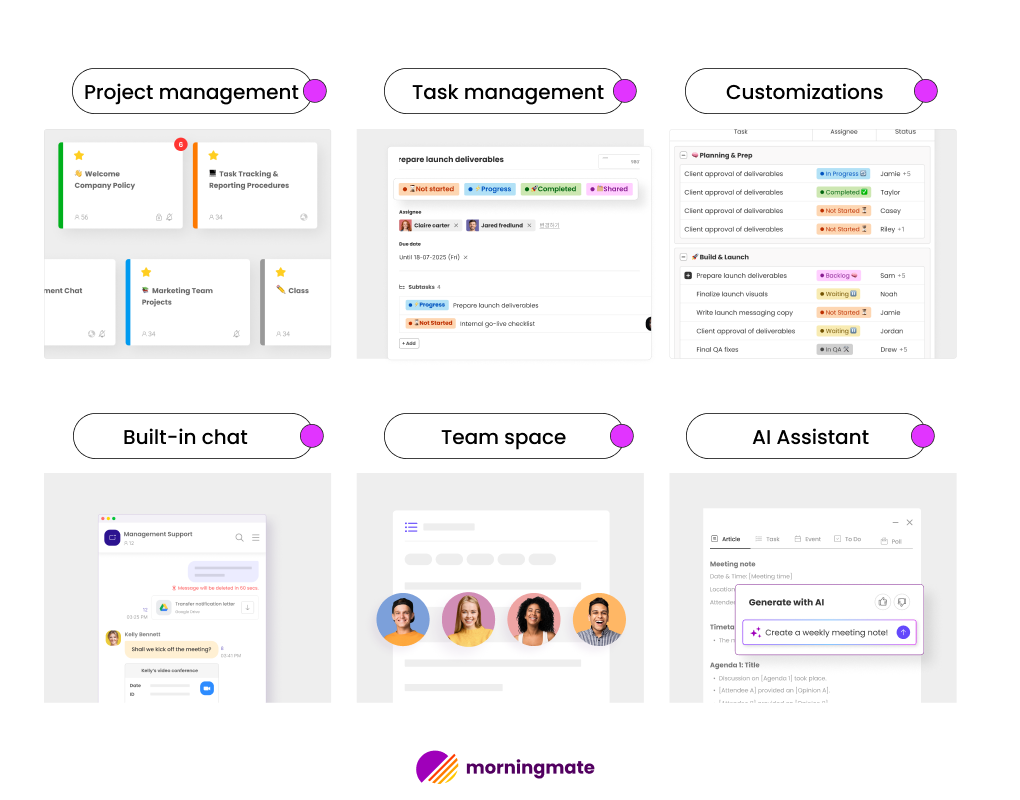
Modern communication tools should support various formats—messages, video calls, and document sharing—creating a versatile space for engagement. Customizable notifications also ensure that team members receive pertinent information without feeling overwhelmed.
Establishing Regular Check-ins
Regular check-ins provide a structured approach to collaboration, enabling team leaders to maintain visibility over tasks and address concerns as they arise. Whether it’s daily huddles or weekly reviews, these meetings foster accountability and keep everyone on track.
Time zones and varying schedules can complicate planning, so offering asynchronous options, such as recorded updates or collaborative documents, can ensure inclusivity and participation from all team members.
Aligning Goals and Expectations
Clear goal alignment is a pillar of effective coordination between field teams and office teams. Establishing shared objectives ensures that all efforts contribute towards the overarching mission of the organization. Misalignment often leads to frustration and inefficiencies, hampering productivity.
Creating a Collaborative Goal-Setting Process
Incorporating input from both field and office teams during the goal-setting process fosters a sense of ownership and commitment. Facilitate workshops or brainstorming sessions that allow team members to contribute their insights and expertise. This collaborative approach can uncover potential challenges early on and align team efforts more effectively.
Utilizing SMART goals—specific, measurable, achievable, relevant, and time-bound—provides clarity and focus, aiding teams in tracking progress and adjusting strategies as needed.
Defining Clear Roles and Responsibilities
Defining and clearly communicating roles and responsibilities helps prevent overlaps and confusion. When each team member understands their specific duties, they are empowered to work efficiently and confidently towards shared goals. Creating detailed role descriptions and workflows can aid in this process.
Leveraging Technology and Tools
Technology is a critical enabler for coordinating field teams and office teams. From real-time data sharing to task tracking, the right tools can streamline operations and facilitate effective collaboration.
Integrating Field Management Software
Field management software equips field teams with the tools they need to perform tasks efficiently while staying connected with the office. Features like GPS tracking, task scheduling, and mobile reporting improve on-site operations, enabling teams to update the office effortlessly.
Investing in scalable software solutions like those offered by Morningmate ensures that technological systems grow with the organization, reducing the need for frequent changes or disruptions as requirements evolve.
Utilizing Project Management Tools
Project management tools are indispensable for maintaining a macro view of ongoing projects and tasks. They allow office teams to assign, prioritize, and track tasks while field teams provide updates and flag issues. Trello, Asana, and Morningmate exemplify scalable platforms that enhance project visibility and accountability.
These tools often come with reporting features that offer insights into performance metrics and team progress, aiding data-driven decision-making.
Fostering a Collaborative Culture
Creating a culture of collaboration is essential for any organization that seeks to harmonize the efforts of its field and office teams. Cultural underpinnings influence how teams perceive and engage with one another, ultimately impacting operational success.
Encouraging Open and Inclusive Communication
An open and inclusive communication culture empowers team members to share ideas, feedback, and challenges without fear of dismissal. Leaders can promote this by actively seeking input, encouraging diverse perspectives, and establishing safe communication channels for sharing ideas and concerns.
Regular training on effective communication practices can reinforce these values and improve team dynamics both in the field and within the office.
Recognizing and Celebrating Achievements
Celebrating successes, whether big or small, reinforces positive behavior and motivates teams. Recognition can be formal, such as award ceremonies, or informal, such as shout-outs in team meetings. It’s important to acknowledge achievements equally between field and office teams to maintain morale and performance.
Sharing success stories across the organization highlights contributions from both sectors, strengthening unity and respect.
Nurturing Leadership and Team Development
Investment in leadership development and continuous team training fosters growth and adaptability. By nurturing these aspects, organizations prepare leaders who can effectively manage diverse team dynamics and drive collaboration initiatives. Leadership programs should focus on building skills that align with company values and strategic goals.
Ensure that development opportunities are accessible to all members, supporting both the personal and collective growth of field and office teams.
Implementing a Feedback Loop System
Feedback loops are vital for continuous improvement and enhanced coordination between field teams and office teams. This system allows teams to evaluate their performance, identify areas for improvement, and implement solutions that enhance efficiency and communication.
Creating Standardized Feedback Processes
Develop standardized feedback mechanisms that allow team members to provide constructive insights systematically and regularly. This might include surveys, suggestion boxes, or dedicated feedback meetings. Gathered feedback should be reviewed and actioned upon promptly to demonstrate its importance to the organization.
Utilizing Technology for Real-Time Feedback
Technology can facilitate real-time feedback, removing delays and fostering a responsive working environment. Apps and platforms that incorporate feedback features streamline the process and encourage ongoing dialogue. Such capabilities embedded within collaboration tools like Morningmate can seamlessly integrate into daily workflows.
Achieving Seamless Coordination
Coordinating field teams and office teams requires a holistic approach that blends strategic goal setting, robust technology solutions, and a culture of collaboration. By implementing effective communication frameworks, aligning roles and responsibilities, and fostering a feedback-driven environment, organizations can achieve seamless integration between diverse teams.
With the right strategies, tools, and cultural practices in place, organizations can enhance productivity, increase morale, and drive success—setting the stage for a more interconnected and efficient future.