Nonprofits are driven by a mission to make a positive impact in their communities. However, limited resources and small teams often make it challenging to manage workloads effectively. With the right strategies and tools, even organizations with minimal staff can maximize their efficiency and ensure that their mission remains on track. This article explores how nonprofits can manage team workload with limited staff, offering practical insights and actionable advice.
To begin, it’s crucial for nonprofits to clearly define roles and responsibilities within their team. This ensures that each team member knows what is expected and can prioritize tasks accordingly. By utilizing collaborative tools and adopting efficient processes, nonprofits can better manage their limited resources and drive their important work forward. Let’s dive deeper into how to achieve this.
The landscape of nonprofit work requires a unique approach to workload management, especially when staff numbers are not at their ideal level. Despite these challenges, there are effective strategies that can help nonprofits excel in their missions.
Set Clear Goals and Priorities
The first step in managing team workload effectively is setting clear goals and priorities. Nonprofits often juggle multiple projects simultaneously, making it crucial to have a structured approach to task management. Start by identifying the most pressing needs of the organization and aligning them with the available resources.
Creating a priority matrix can be an invaluable tool. It allows you to categorize tasks based on urgency and importance, ensuring that critical issues are addressed promptly while less urgent tasks do not get neglected. This approach helps maintain focus on long-term objectives without sacrificing day-to-day operations.
Utilize Technology and Collaboration Tools
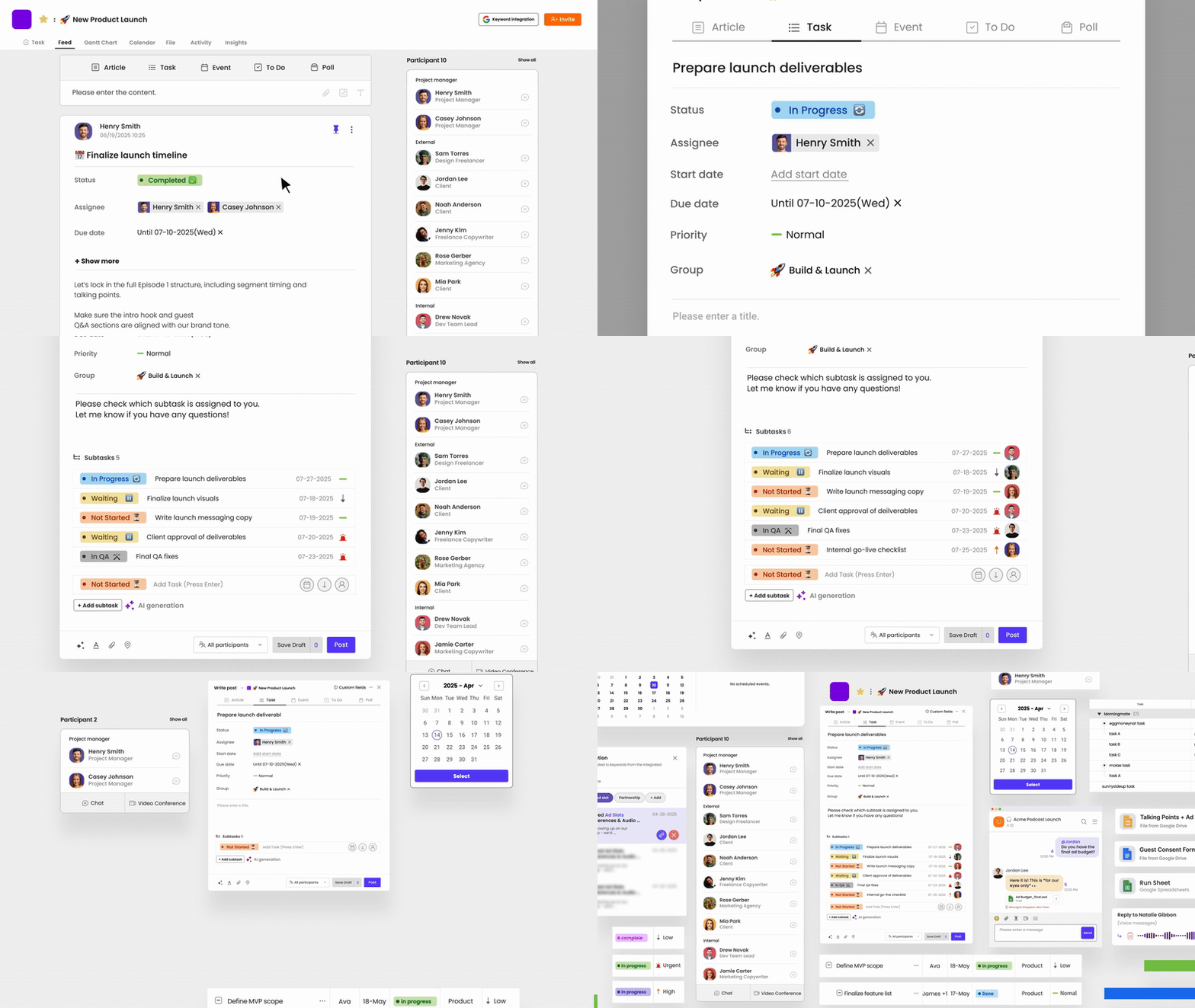
Modern technology offers nonprofits numerous tools to streamline collaboration and project management. Platforms like Morningmate provide integrated solutions that enhance communication and track progress across various initiatives. Utilizing such tools enables teams to stay connected, share updates, and coordinate activities efficiently.
Additionally, adopting cloud-based services ensures that team members can access essential resources and contribute to projects from anywhere. This flexibility is particularly beneficial for nonprofits with team members working remotely or across different locations.
Empower Staff with Training and Development
Empowering staff through training and development is vital in maximizing the capabilities of limited teams. Investing in professional development allows team members to build new skills and adapt to evolving challenges. Encourage staff to participate in workshops and online courses that align with the organization’s goals.
Moreover, creating a culture of continuous learning helps in boosting morale and retaining talent. Employees who feel valued and supported are more likely to perform optimally, despite the constraints of limited staff.
Encourage Open Communication
Open communication is key to effectively managing team workload with limited staff. Establish regular check-ins and meetings to discuss progress, challenges, and upcoming priorities. This not only keeps everyone informed but also fosters a collaborative environment where team members feel comfortable voicing their concerns and suggestions.
Encouraging a culture of transparency ensures that any potential issues are addressed promptly, mitigating the risk of burnout and inefficiencies. Teams that stay aligned are better equipped to work in harmony toward their shared mission.
Implement Flexible Work Arrangements
Implementing flexible work arrangements can significantly enhance productivity within nonprofit teams. Allowing employees to have flexible hours or telecommute can lead to better work-life balance, thus reducing stress and increasing job satisfaction.
When staff can tailor their work environments to suit their personal needs, it often results in higher quality work and greater efficiency. Flexible policies help cater to the diverse needs of small teams, ultimately contributing to the organization’s success.
Leverage Volunteer and Support Networks
Nonprofits can extend their reach and impact by leveraging volunteer networks and community support. Engaging volunteers can diminish the strain on core team members, enabling staff to focus on strategic initiatives. To effectively manage volunteers, clearly outline their roles and provide necessary training and support.
Moreover, building partnerships with other organizations and stakeholders can enhance resource sharing and collaboration opportunities. A robust network is instrumental in amplifying the efforts of a limited team and achieving broader organizational goals.
Use Data to Drive Decisions
Data-driven decision-making can transform how nonprofits manage their workloads. By analyzing performance metrics and outcomes, organizations can identify what works and where improvements are needed. Regularly reviewing data allows for adjustments to be made quickly, ensuring that the team remains focused on achieving impactful results.
Incorporating feedback loops and continuous monitoring helps in refining processes and optimizing team performance. Data insights provide a factual basis for strategic planning and resource allocation, which is crucial for nonprofits operating with limited staff.
Create an Impact-Driven Culture
Instilling an impact-driven culture within the organization inspires motivation and dedication among team members. Reinforcing the mission and celebrating achievements encourages staff to remain committed, even when resources are stretched thin.
When team members understand the importance of their roles and see the tangible outcomes of their efforts, they become more invested in the success of the organization. Recognizing and rewarding contributions can further propel team morale and drive continued success.
Thriving with Limited Staff
Managing team workload with limited staff is an ongoing challenge for nonprofits, yet it is far from insurmountable. By employing strategic planning, embracing technological solutions, and fostering a strong organizational culture, nonprofits can accomplish their objectives effectively and efficiently. With the right approaches and dedication, these organizations can maximize their impact on the communities they serve. Remember, the essence of nonprofit work is not just to survive with limited resources, but to thrive against all odds.