In the fast-paced world of retail, peak season is a pivotal time when team coordination is put to the ultimate test. The holiday rush, end-of-year sales, and sudden spikes in customer demand present both opportunities and challenges for retail teams. During this crucial period, seamless coordination can be the difference between a successful season and a logistical nightmare. As retail businesses gear up for peak season, it’s essential to focus on effective team coordination to ensure smooth operations and maximize sales.
Proper team coordination during peak season can significantly boost a company’s efficiency and profitability. However, when coordination breaks down, it can lead to missed opportunities, customer dissatisfaction, and lost revenue. To navigate the complexities of peak season, retail teams need a comprehensive strategy that encompasses communication, planning, and technology. Let’s explore how retail team coordination either works or falls apart during peak season and the strategies that can help maintain order in the chaos.
Understanding the Challenges of Peak Season
Peak season brings about a unique set of challenges for retail teams. Sudden increases in customer volume require fast responses and quick decision-making. High-pressure environments can lead to breakdowns in communication and logistical errors. Understanding these challenges is the first step to overcoming them.
- Supply chain disruptions may lead to inventory shortages.
- Workloads increase, often demanding overtime from staff.
- High customer expectations require exceptional service.
Without a well-coordinated team to handle these issues, the risk of operational failure grows. This further emphasizes the need for systematic coordination throughout the peak season to ensure success.
Strategies for Effective Team Coordination
To ensure that your retail team functions optimally during peak season, it’s crucial to employ strategies that enhance coordination and mitigate common challenges. The right approach can transform potential chaos into streamlined success.
1. Advance Planning and Scheduling
Proactive planning is essential for dealing with peak season demand. Prepare by creating detailed schedules that accommodate increased workloads and potential emergencies. This helps in managing staffing needs efficiently and avoids last-minute scrambles.
- Develop a contingency plan for unexpected changes.
- Use historical data to forecast demand and optimize resources.
A well-prepared plan serves as a roadmap for your team, ensuring everyone knows their roles and responsibilities during peak times.
2. Enhance Communication Channels
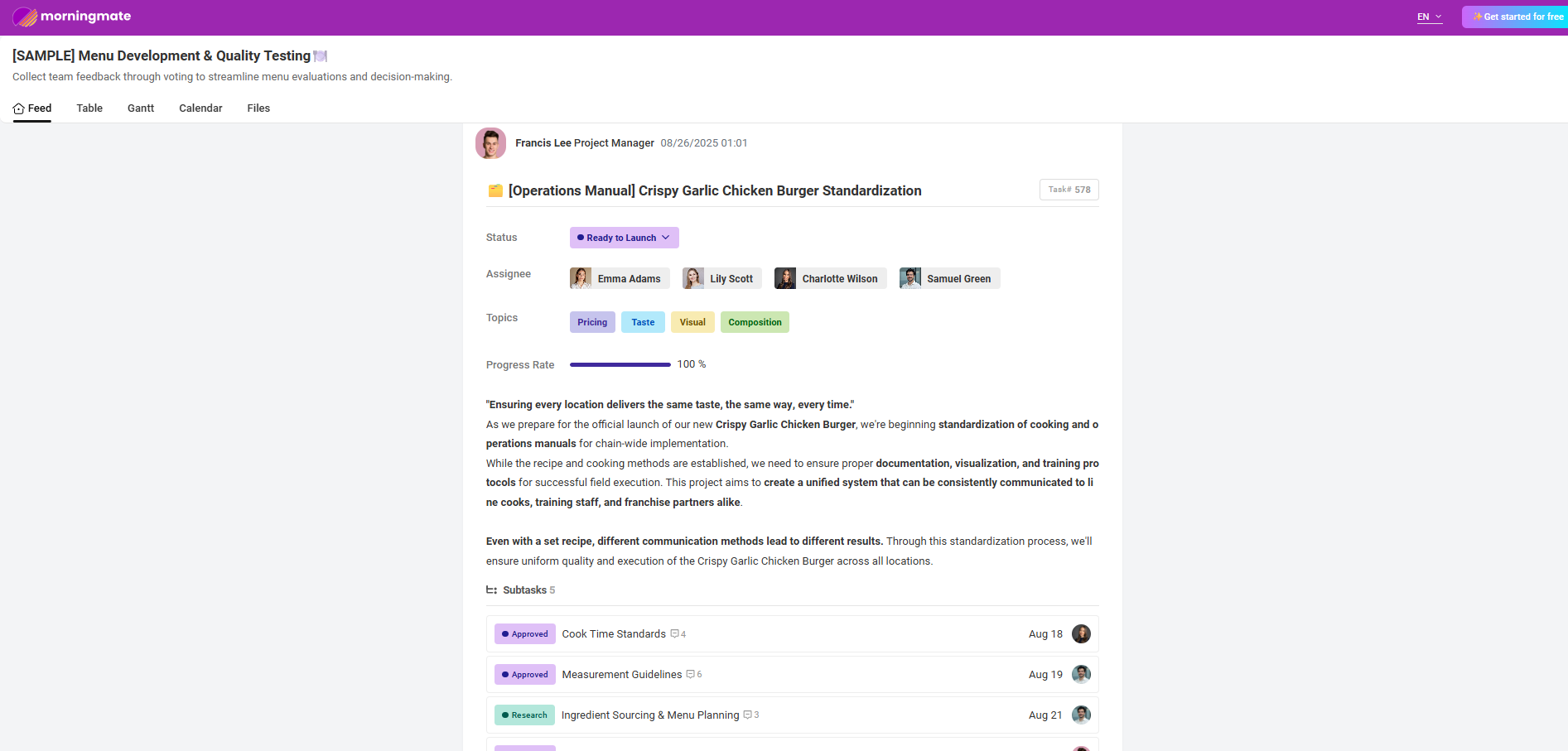
Effective communication is the cornerstone of team coordination. Establish clear communication channels to ensure that team members can share vital information quickly and efficiently. Tools like Morningmate can facilitate seamless communication in real-time, helping teams stay aligned and proactive.
- Implement messaging platforms for instant communication.
- Regular check-ins and updates to keep everyone informed.
Clear communication reduces errors and enhances the team’s ability to respond to peak season challenges swiftly.
3. Leverage Technology and Automation
Maximizing the benefits of technology can significantly improve coordination during peak season. From inventory management systems to automated customer service interventions, technology streamlines operations and cuts down on manual tasks.
- Use software solutions for real-time inventory tracking.
- Employ AI chatbots for handling customer inquiries efficiently.
Modern tools keep your operations agile and responsive, reducing the risk of ongoing issues and delays.
Common Pitfalls in Peak Season Team Coordination
Even with the best preparation, pitfalls can occur. Recognizing common errors can help retail teams avoid them and improve their coordination tactics, ensuring a successful peak season.
1. Overlooking Training and Development
Skipping on training can leave your team unprepared for peak season challenges. Invest time in training sessions that focus on both soft skills and technical skills relevant to your operations.
Ensure that all team members are familiar with updated technologies and processes to address anticipated demands.
2. Ignoring Employee Well-being
During peak season, employees may experience burnout due to increased workloads. It’s vital for management to prioritize employee well-being by implementing strategies that promote work-life balance and reduce stress.
- Offer flexible scheduling or additional days off when possible.
- Create an environment that encourages feedback and support.
A happy, well-rested team is more productive and less likely to make costly mistakes during peak periods.
3. Failing to Monitor and Evaluate Performance
Regular performance monitoring allows for adjustments that can improve operations. Set clear metrics and use them to assess the effectiveness of your team’s coordination strategies.
- Analyze sales and customer feedback to gauge success.
- Regular debriefs to discuss what worked and what didn’t.
Continuous evaluation helps in identifying areas for growth and ensures better preparation for future peak seasons.
Adapting to the Post-Pandemic Retail Environment
The landscape of retail has changed dramatically post-pandemic, and peak season planning must now account for evolving consumer behaviors and preferences. Flexibility and adaptability are key as we move toward 2026 and beyond.
Focus on e-commerce and digital integration as online shopping maintains its momentum. A seamless online and offline customer experience can set your brand apart during peak season.
Driving Success in Peak Season
Peak season is a critical period for retail teams, highlighting the importance of coordination and preparation. By implementing effective strategies and avoiding common pitfalls, retail teams can navigate the complexities of peak season with confidence and efficiency. Remember, a well-coordinated team is the backbone of retail success, and with the right tools and mindset, peak season can become less of a challenge and more of a rewarding opportunity.
As you gear up for the upcoming peak season, consider enhancing your team’s coordination capabilities with Morningmate. Its comprehensive suite of tools can streamline communication and collaboration, ensuring your retail operations are at their peak.
Ready to transform your retail team’s peak season performance? Start by implementing these strategies today and set your team up for success well into the future.