
In today’s globalized workplace, managing a distributed team across time zones is both an opportunity and a challenge. With team members spread across different continents, businesses can leverage diverse skills and viewpoints. However, coordinating and ensuring effective collaboration requires strategic approaches tailored to overcoming distance and time differences.
To excel in managing a distributed team across time zones, leaders need to embrace innovative tools and methodologies. By doing so, they can not only maintain communication but build a thriving organizational culture. This article outlines actionable insights and practical strategies designed to optimize team dynamics despite geographical constraints.
Challenges of Managing a Distributed Team Across Time Zones
Before diving into strategies, let’s explore the predominant challenges faced when managing a distributed team across different time zones. Identifying these barriers allows for more effective planning and execution of solutions.
Communication Delays
One of the primary obstacles is the inevitable communication delays. With team members working in various time zones, immediate responses are hard to guarantee, which can hinder project progress and decision-making.
Cultural Differences
Cultural diversity enriches a team, but it can also lead to misunderstandings. Different working styles and communication norms can create friction if not managed properly.
Variable Work Hours
The disparity in working hours can lead to fragmented coordination, impacting productivity and morale. Teams may struggle to find overlapping hours suitable for collaborative work or meetings.
Strategies to Manage a Distributed Team Effectively
Adopting a strategic approach helps in mitigating the challenges associated with managing a distributed team across time zones. The following strategies aim to enhance both efficiency and team cohesion.
Utilize Advanced Collaboration Tools
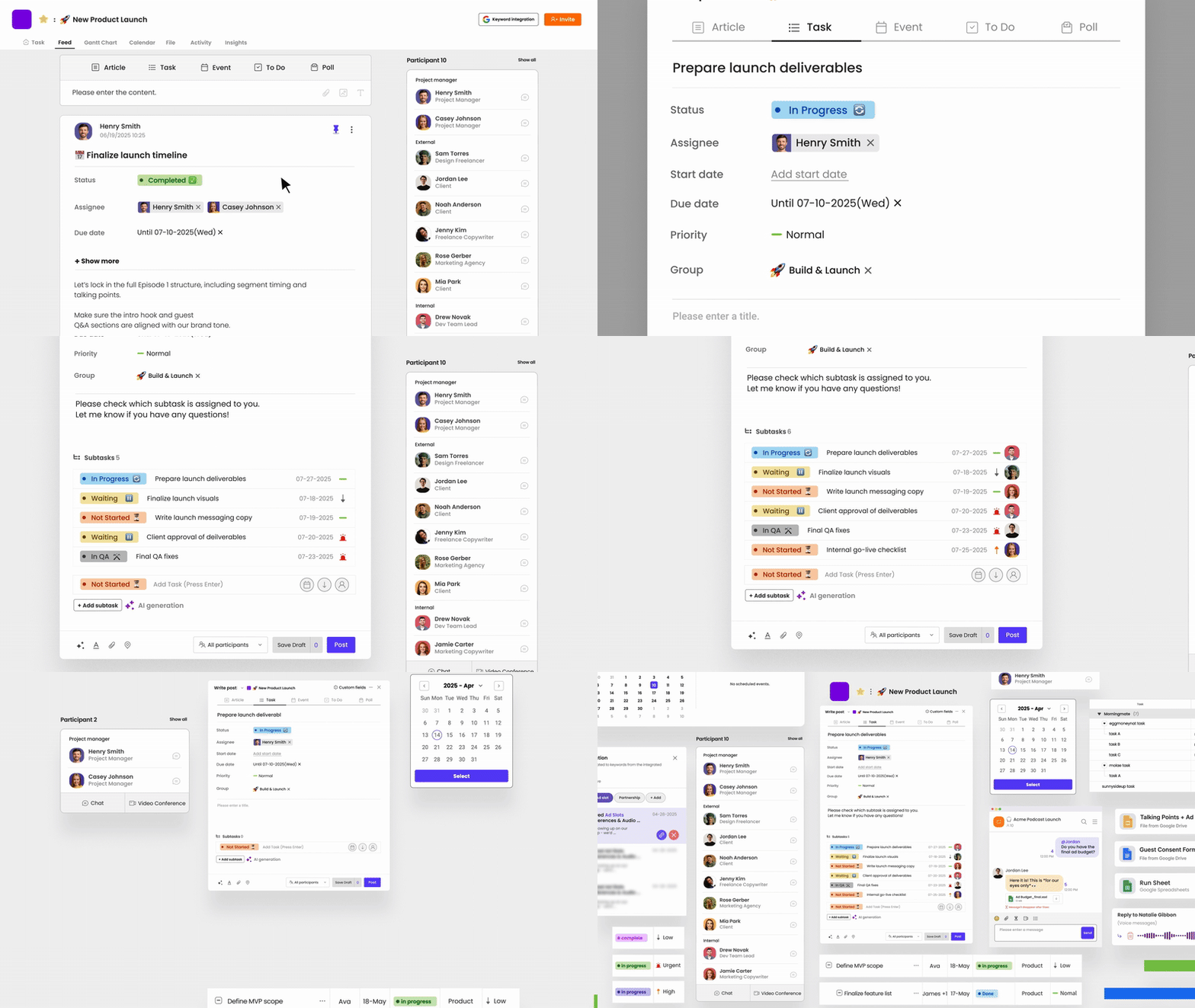
Embracing tools designed for seamless collaboration is crucial. Platforms like Morningmate offer features that facilitate communication, file sharing, and project management in real-time despite time differences.
- Implement cloud-based document sharing to ensure everyone has access to the latest updates.
- Employ messaging apps with time-zone conversion features to coordinate communication.
- Set up a centralized hub for all team resources and documents.
Embrace Flexible Scheduling
Flexibility is key. Encourage employees to set their hours to optimize productivity while allowing for necessary overlaps for team collaboration.
- Identify core hours where all team members can be available for important discussions.
- Offer flexible work policies catering to individual time zone needs.
- Use asynchronous communication to keep work moving despite the absence of immediate responses.
Regular Check-Ins and Updates
Consistency in communication is vital to keeping everyone aligned. Regular update meetings and one-on-ones can significantly enhance team coherence and motivation.
- Schedule regular virtual meetings to touch base on projects and morale.
- Encourage team members to share their progress and blockers in weekly updates.
- Foster a virtual open-door policy for continuous feedback and interaction.
Cultural Sensitivity and Team Building
Building an inclusive culture that respects and honors diversity is essential for managing a distributed team across time zones.
Promote Cultural Awareness
Cultural sensitivity builds trust and understanding among team members. Providing training and learning opportunities about different cultures enriches connections.
- Offer workshops or resources on cross-cultural communication.
- Celebrate international holidays that are meaningful to team members.
Virtual Team Building Activities
Team building isn’t restricted by geography. Virtual activities can strengthen bonds and encourage a sense of community across dispersed teams.
- Organize virtual coffee breaks or social hours to build rapport.
- Host online team challenges or games to foster team spirit.
Evaluating and Adapting Workflows
It’s crucial to continually assess and refine workflows to improve the management of a distributed team across time zones. Regular evaluation ensures the team remains agile and productive.
Monitor and Analyze Productivity
Using analytics to understand workflow efficiency can pinpoint bottlenecks and improve productivity.
- Set key performance indicators to track team output.
- Review workflow processes and adapt them based on performance data.
Regular Feedback Mechanisms
Encouraging feedback helps leaders identify issues quickly and implement effective solutions, ensuring smoother operations.
- Establish anonymous feedback systems for honest insights.
- Conduct regular team surveys to understand and address concerns.
- Adapt strategies based on feedback to refine working conditions and processes.
Concluding Thoughts on Managing Distributed Teams
Effectively managing a distributed team across time zones requires adaptability, strategic planning, and a deep commitment to fostering a collaborative and inclusive environment. Leveraging modern tools and practices enables teams to not only overcome the challenges posed by geographical dispersion but to flourish in it. As we approach 2025, the emphasis on virtual team management continues to grow, necessitating innovative approaches and solutions.
Ultimately, proactive leadership, characterized by a commitment to communication and cultural understanding, will define successful teams. By adopting the insights shared here, your organization can harness the full potential of its distributed workforce, driving success and innovation beyond borders.