
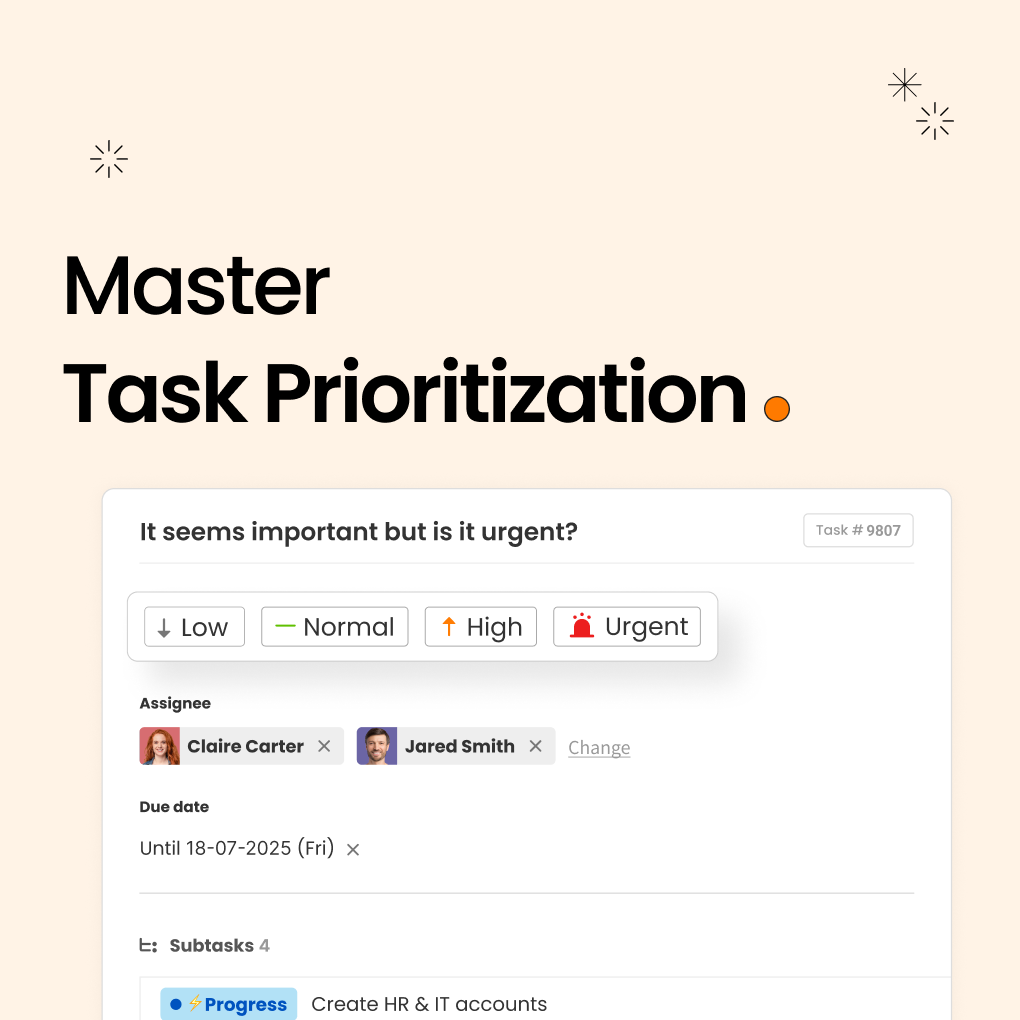
In today’s fast-paced world, feeling overwhelmed by numerous urgent tasks is all too common. Whether you’re juggling multiple projects at work or balancing responsibilities in your personal life, knowing how to prioritise tasks when everything feels urgent is crucial for maintaining productivity and peace of mind. But how do you discern between tasks that demand immediate attention and those that can wait? The answer lies in strategic prioritization techniques that help you navigate the chaos without losing sight of your goals.
Effective task prioritization is not just about selecting what to tackle first; it’s also about understanding the impact and value of each task. When every item on your to-do list seems critical, having a framework to assess and manage your priorities can be the difference between stress and success. In this article, we’ll explore practical strategies and tools to help you prioritize tasks effectively, clearing the path to a more manageable workload.
These strategies are not just theoretical; they’re grounded in real-world applications and experiences. Whether you’re a professional, a student, or someone managing a busy household, these insights will provide you with the clarity and confidence needed to address urgent tasks without sacrificing quality or well-being.
Understanding Task Urgency and Importance
Before diving into prioritization strategies, it’s essential to differentiate between urgent and important tasks. While urgency compels you to act quickly, importance relates to a task’s contribution to your long-term goals. Understanding this distinction is key to managing your workload effectively.
To prioritize tasks when everything feels urgent, start by assessing each task’s impact on your objectives. This assessment helps eliminate unnecessary urgency that often clouds judgment. For instance, consider whether delays in a task would have significant consequences or if they could be mitigated.
The Eisenhower Matrix
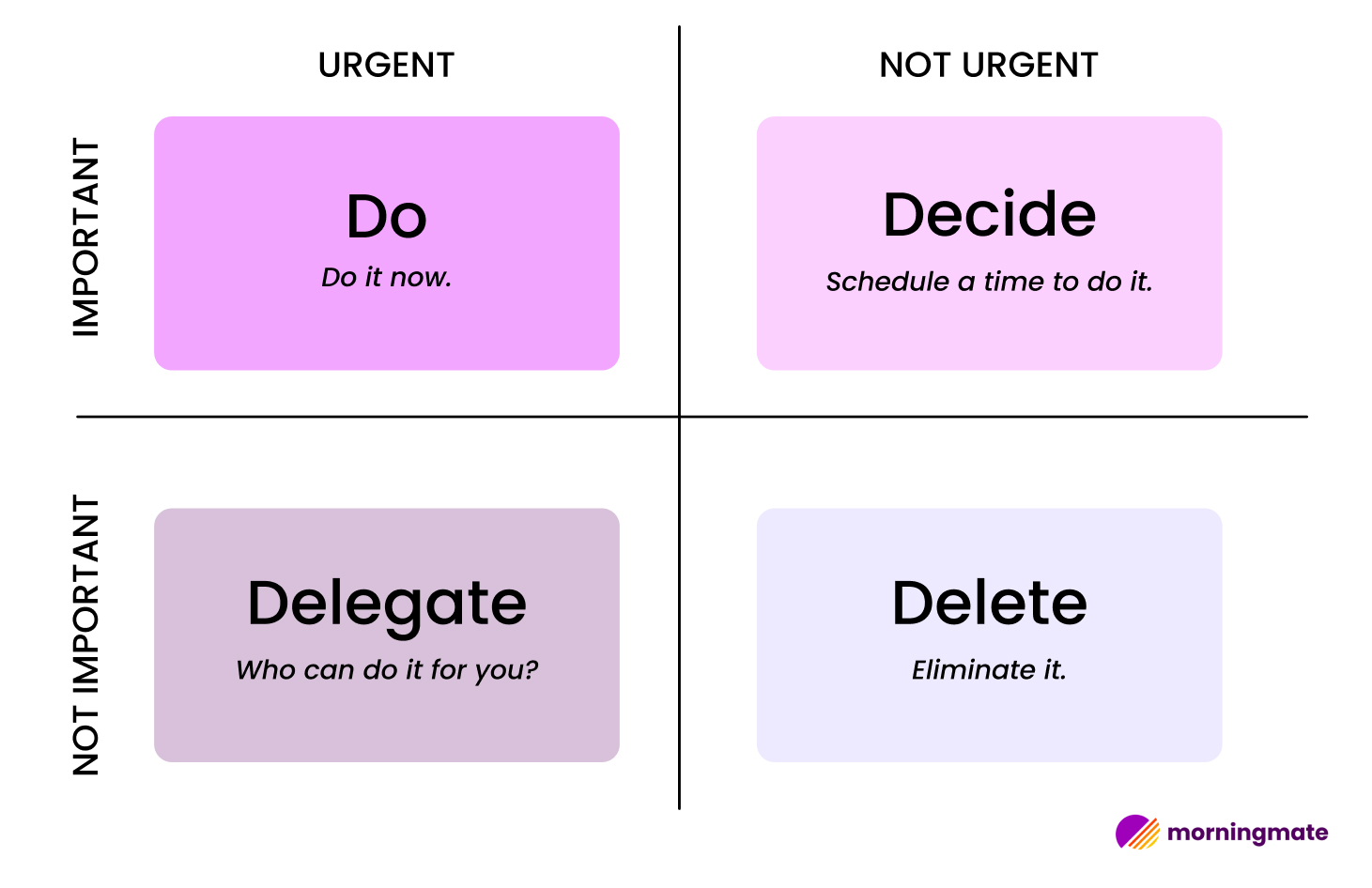
One practical framework for prioritizing tasks is the Eisenhower Matrix, also known as the Urgent-Important Matrix. This tool helps categorize tasks based on their urgency and importance, allowing you to focus on what truly matters.
- Quadrant 1: Urgent and Important – These tasks require immediate attention and are typically crises or deadlines. Focus on these first.
- Quadrant 2: Important but Not Urgent – Strategic tasks that contribute to long-term success. Schedule time for these to prevent future crises.
- Quadrant 3: Urgent but Not Important – Tasks that demand immediate action but do not significantly impact your goals. Delegate or minimize time spent here.
- Quadrant 4: Neither Urgent nor Important – Low-value activities that can be eliminated or postponed.
Applying the Eisenhower Matrix encourages thoughtful decision-making, helping reduce the perceived urgency of less critical tasks. By systematically addressing tasks based on this framework, you can better manage your priorities and time.
Setting Smart Goals for Clearer Prioritization
Goal-setting plays a pivotal role in prioritization. By clearly defining your objectives, you can align your tasks accordingly, ensuring that urgent tasks support your long-term vision. The SMART criteria—specific, measurable, achievable, relevant, and time-bound—offers a structured approach to goal-setting.
Specific and Measurable Goals
Specific goals provide clarity, eliminating ambiguity about what needs to be achieved. They should also be measurable, allowing you to track progress and adjust priorities as necessary. For example, instead of setting a vague goal like “increase productivity,” aim for “complete three major projects by October 2025.”
Achievable and Relevant Goals
An achievable goal keeps your expectations realistic and attainable, considering available resources and time constraints. Relevance ensures that each goal aligns with broader organizational or personal objectives, maintaining focus on what truly drives success.
Time-Bound Goals
Setting deadlines creates a sense of urgency that motivates action. However, attaching time limits to goals also helps prioritize tasks effectively, as you can identify what needs to be done immediately versus what can be scheduled for later.
Utilizing Prioritization Techniques
Several techniques can aid in prioritization when every task feels urgent. These methods help you evaluate tasks’ importance and urgency, making informed decisions about where to direct your energy.
The ABCDE Method
The ABCDE Method is a prioritization technique where tasks are categorized by importance: A: Must do tasks; highly important. B: Should do tasks; important but not critical. C: Nice to do tasks; minor consequences. D: Delegate tasks; can be handled by others. E: Eliminate tasks; not necessary.
Begin your day focusing on A tasks to ensure that significant goals are met before moving to less critical work. This strategy creates a structured approach to managing time and energy effectively.
Time Blocking
Time blocking involves scheduling specific times for distinct tasks or activities in your calendar. This method enhances focus and reduces procrastination by allocating dedicated periods for each high-priority task, ensuring nothing falls through the cracks.
It’s especially beneficial for projects requiring deep work as it minimizes interruptions and context switching. By assigning fixed timeframes to tasks, you’re less likely to let urgent but lower-priority items derail your day.
Leveraging Technology for Task Management
Incorporating technology into your prioritization efforts can significantly enhance productivity. Digital tools offer functionalities that help organize, track, and manage tasks efficiently, ensuring urgent tasks receive the attention they require.
Task Management Apps
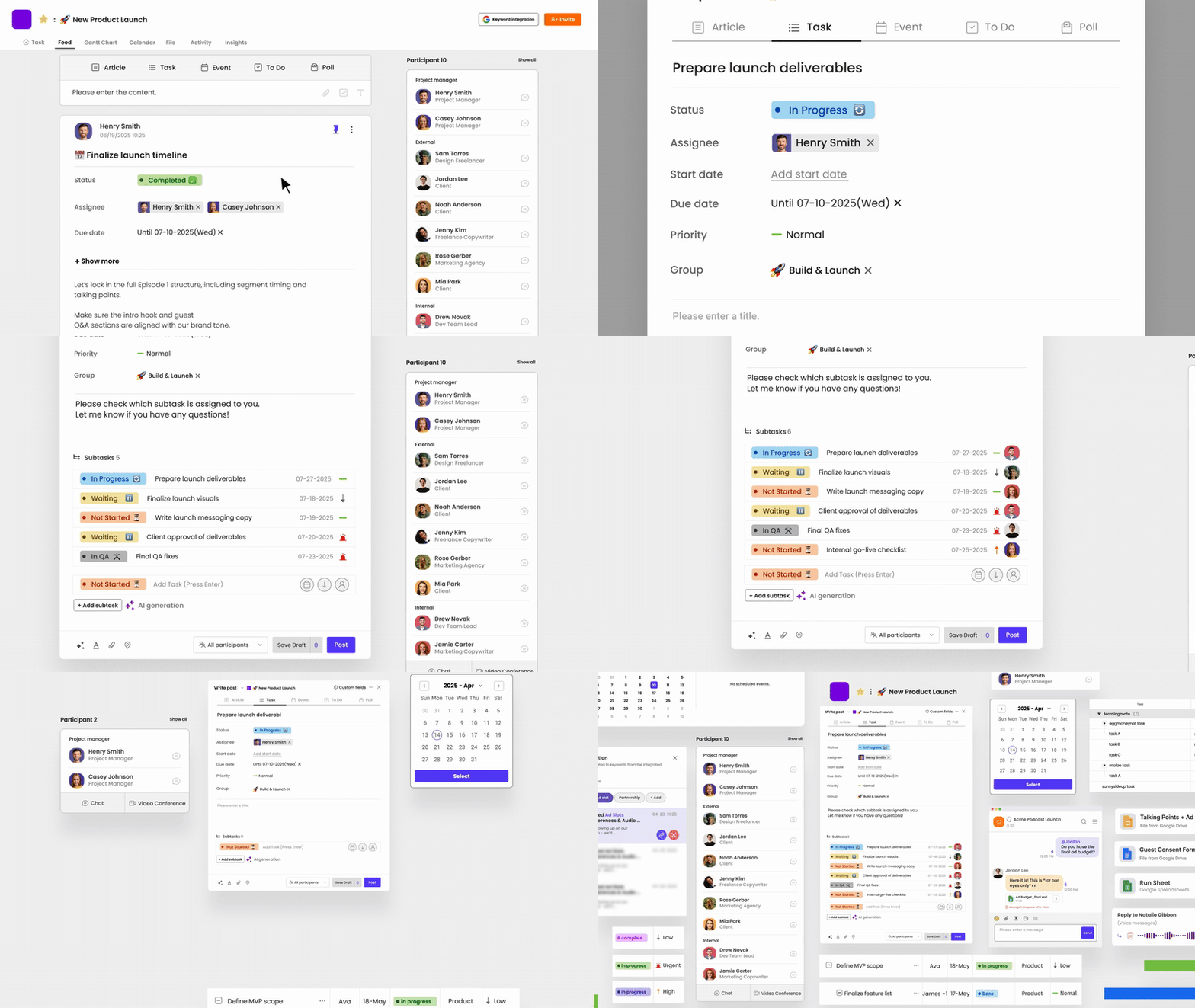
Task management apps like Morningmate provide platforms to list, categorize, and prioritize tasks. Features such as reminders, deadlines, and collaborative tools streamline task execution, making it easier to handle urgent priorities alongside long-term goals.
These apps often offer visual dashboards and integrations with other productivity tools, providing a comprehensive overview of all tasks and responsibilities. This visibility helps prioritize tasks based on due dates, importance, and dependencies.
Automation Tools
Automation tools can reduce the burden of repetitive and time-consuming tasks. By automating routine activities, you free up time to focus on tasks demanding immediate attention, thus enhancing your ability to prioritize effectively when faced with an overwhelming list of urgent duties.
Whether it’s email management, data entry, or report generation, automation ensures that low-value work doesn’t overtake your schedule, allowing you to concentrate on more consequential task requirements.
Building a Personal Prioritization System
Creating a personalized prioritization system involves integrating the strategies and tools discussed to suit your unique needs and work habits. This customized approach enhances effectiveness, ensuring practical solutions for managing urgent tasks.
Review and Adjust Workflow
Regularly review your prioritization strategies to ensure they align with current objectives and workloads. Flexibility is crucial; as circumstances change, your prioritization system should adapt, maintaining relevance and efficiency.
Consider conducting weekly or monthly assessments of your task management approach, using feedback to optimize processes and identify areas for improvement. Iterative adjustments keep your strategies fresh and impactful.
Balancing Workloads
Balance between high-priority tasks and those of lower urgency to avoid burnout. Strategically allocate resources and energy, ensuring that you’re not only addressing urgent demands but also nurturing tasks that contribute to long-term success.
Remember, effective prioritization is not just about rapid execution but also about maintaining sustainability in your efforts. Striking a balance between immediate needs and ongoing projects is key to achieving lasting productivity.
Mastering Task Prioritization
Prioritizing tasks when everything feels urgent is an ongoing challenge that requires a balanced, strategic approach. By understanding the difference between urgency and importance, setting SMART goals, utilizing effective prioritization techniques, leveraging technology, and customizing a personal system, you can regain control over your workload.
Implement these insights to transform chaos into clarity, ensuring that even in the most demanding situations, you’re equipped to make informed decisions. With a focus on strategic prioritization, you’re not just managing tasks—you’re guiding your productivity towards sustained success.