
Managing task dependencies is a critical aspect of successful team collaboration, especially in work environments where complex projects require coordinated efforts. Failing to address task dependencies can result in project delays, resource wastage, and frustrated team members. On the other hand, effectively managing these dependencies leads to smoother workflows and improved outcomes.
Understanding and managing task dependencies involves recognizing the tasks that must precede others and ensuring the necessary sequences are followed. In B2B SaaS environments, such as those using Morningmate, teams can leverage tools and strategies to streamline task management. This article will delve into the processes and techniques for managing task dependencies effectively, providing a roadmap for enhanced team collaboration.
Not only does effective task dependency management save time, but it also increases accountability and helps in strategically allocating resources. As we explore this topic, we’ll cover essential steps and offer actionable insights that teams can implement to keep projects on track and within scope.
Understanding Task Dependencies
Task dependencies occur when one task cannot commence or complete without the completion of another. Recognizing the types of dependencies is essential for planning efficient workflows. Task dependencies typically include finish-to-start, start-to-start, finish-to-finish, and start-to-finish dependencies. Each has unique implications for project scheduling.
- Finish-to-Start (FS): Task B cannot start until Task A is finished.
- Start-to-Start (SS): Task B cannot start until Task A starts.
- Finish-to-Finish (FF): Task B cannot finish until Task A is completed.
- Start-to-Finish (SF): Task B cannot finish until Task A starts.
For smooth project execution, mapping these dependencies is crucial. Identifying these dependencies early helps create a robust project timeline and ensures all team members understand the logical order in which tasks should be executed.
Strategies for Managing Task Dependencies
Once you’ve identified task dependencies, the next step is to manage them strategically to avoid bottlenecks. Here are several methods to help manage task dependencies effectively:
1. Use Project Management Tools
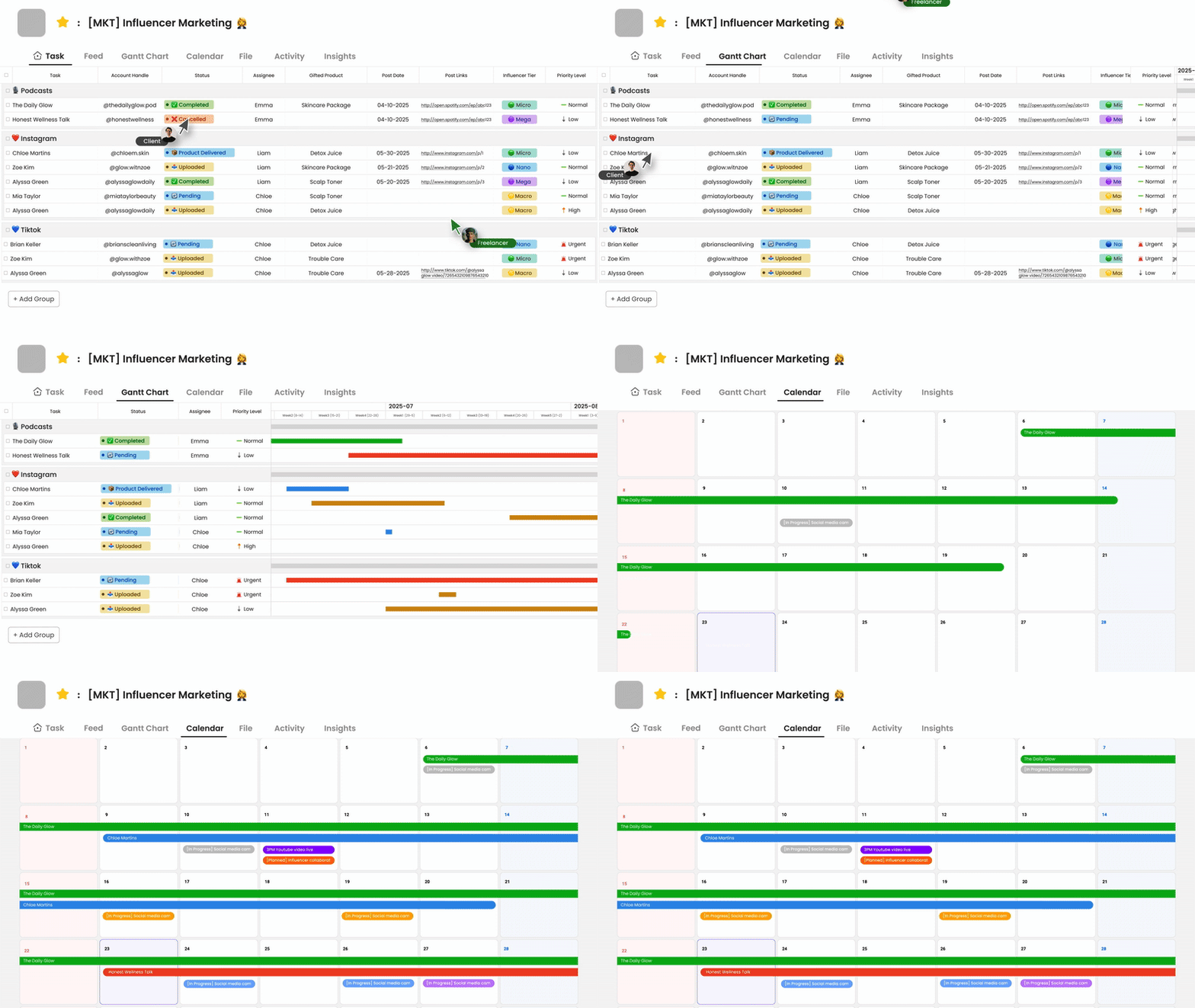
Implementing project management software is one of the best ways to visualize task dependencies. Tools like Morningmate makes it easier for teams to identify and adjust tasks as needed. With features that provide visual timelines and notifications, project management tools keep everyone informed and aligned on project goals.
2. Prioritize Communication
Clear communication is vital to managing task dependencies effectively. Regular team meetings and updates ensure everyone understands their roles and upcoming deadlines. Encouraging questions and clarifications can prevent misunderstandings that lead to project delays.
3. Develop a Dependency Management Plan
Creating a documented dependency management plan can help track dependencies and contingencies more effectively. This plan should outline key dependencies, potential risks, and mitigation strategies. Regularly reviewing and updating this plan ensures that the team remains proactive in managing dependencies.
Challenges in Managing Task Dependencies
While managing task dependencies, teams often encounter various challenges. Recognizing these issues early is crucial for maintaining productivity and project momentum.
- Unsynchronized Timelines: Different project elements might have varying timelines, which can lead to dependency clashes.
- Resource Constraints: Limited resources can create delays in dependent tasks if not managed properly.
- Lack of Visibility: Without a clear picture of dependencies, teams might focus on incorrect priorities.
Implementing Solutions to Overcome Challenges
Solving issues related to task dependencies involves a combination of technology, strategic foresight, and effective communication. Here’s how to address common challenges:
1. Enhance Team Collaboration
Foster an environment where team members can share updates, voice challenges, and propose solutions. Encourage a culture of collaboration where dependency challenges are seen as team issues instead of individual setbacks.
2. Optimize Resource Allocation
Use resource management tools to allocate resources effectively. By doing so, teams can ensure that all tasks have the necessary attention and resources to be completed on time, even when dependencies are in play.
3. Regular Dependency Reviews
Establish regular reviews to assess current dependencies and identify potential issues before they develop into serious bottlenecks. Use these reviews to make necessary adjustments and keep projects flowing smoothly.
Concluding Thoughts on Managing Task Dependencies
Efficient task dependency management is paramount for successful project execution in team settings. While challenges may arise, utilizing the right strategies and tools, like Morningmate, can significantly enhance a team’s ability to manage complex dependencies.
By implementing structured processes, enhancing communication, and leveraging technology, teams can effectively navigate dependencies. This leads to a more streamlined workflow, reduced stress, and greater project success.