
Managing shift handover communication in teams is a critical component of ensuring smooth workflows, continuity, and employee satisfaction. Whether you’re leading a team in a hospital, a customer service center, or any organization that utilizes shift work, the way you handle these transitions can have significant impacts. Effective communication during shift handovers ensures that crucial information is not lost and that the incoming team is sufficiently briefed on ongoing tasks, potential issues, and workplace dynamics. With the rise of remote working tools, it’s become more important than ever to have a structured process in place.
Successful handover management requires more than just transferring data; it necessitates clarity, efficiency, and collaboration. In this comprehensive guide, we’ll delve into strategies and tools that can help your team master shift handover communication. From establishing standard operating procedures to leveraging digital platforms like Morningmate, the objective is to streamline transitions, minimize errors, and enhance team communication.
As organizations strive for more efficiency, integrating best practices for shift handover can make a significant difference in team productivity. Let’s explore how to excel in this critical area.
Understanding the Importance of Shift Handover Communication
The essence of shift handover communication lies in seamless information transfer. A robust handover process minimizes the risks associated with misunderstandings and information gaps. It is crucial for ensuring that incoming team members are adequately prepared to continue work without setbacks, maintaining operational consistency.
Good shift handover practices help prevent misunderstandings and errors that could lead to costly mistakes. They ensure that critical information about projects, deadlines, and team dynamics is efficiently shared and that team cohesion remains intact even as individuals change. In environments where decision-making is time-sensitive, such as healthcare, effective handovers can be lifesaving.
Key Principles of Effective Handover Communication
To manage shift handovers effectively, start with a clear protocol that defines what information should be communicated and how. This approach enhances consistency and reduces the risk of information being overlooked. Below are some key principles to consider:
Ensure Clarity and Brevity
Information should be concise yet comprehensive. Focus on critical points that the incoming team must grasp to be fully operational. Avoid overloading them with unnecessary details, but include essential insights on current tasks, potential issues, and important deadlines.
Foster Open Communication
Encourage dialogue between outgoing and incoming team members. This exchange allows for immediate questions and clarifications, reducing the likelihood of misinterpretations. An open communication line supports a culture of trust and collaboration.
Standardize the Process
Develop a standardized checklist that guides the handover process. This checklist should be adaptable to different roles but consistent enough to cover all essential aspects of what needs to be communicated. Standard operating procedures (SOPs) ensure that nothing is missed.
Mapping out these principles forms the foundation for effective shift handovers. The next step is to implement a structured plan that incorporates these elements.
Creating a Robust Handover Plan
To execute effective shift handover communication, teams need a well-thought-out plan. Here’s a step-by-step method to consider:
Step 1: Analyze Current Handover Practices
Start by assessing the current handover method. Identify strengths, weaknesses, and recurring issues. Gathering feedback from team members can provide valuable insights into areas that require improvement.
Step 2: Develop Standard Procedures
Design a set of guidelines that detail the handover process. Include what information to pass on, the format for delivery, and preferred communication channels. A standard procedure acts as a blueprint for consistency.
Step 3: Utilize Technological Tools
Deploy platforms like Morningmate to facilitate communication and document sharing. These tools provide a centralized space where both outgoing and incoming teams can access real-time information, reducing the likelihood of missed updates or errors.
Step 4: Train Your Team
Ensure all team members are familiar with the handover protocols and tools. Offer training sessions to address any queries and reinforce the importance of compliance with handover procedures. Regular training updates facilitate adaptation to process changes.
Step 5: Evaluate and Adjust
Continuously assess the effectiveness of the handover process. Solicit feedback and be prepared to make adjustments as necessary. This iterative approach guarantees ongoing enhancements to the system.
A coherent handover plan not only aligns team efforts but also boosts efficiency and morale. Implementing these steps can turn the shift handover from a procedural necessity into a competitive advantage.
Addressing Common Handover Challenges
Poor shift handover communication can lead to errors, reduced productivity, and employee frustration. Recognize and tackle common challenges to enhance your handover process.
Challenge 1: Information Overload
When too much information is passed during handovers, crucial details can be obscured. Prioritize critical updates and categorize them based on urgency and impact to mitigate this issue.
Challenge 2: Vague Communication
Ambiguity in communication can confuse team members and degrade trust. Encourage precise language and provide ample context to ensure clarity. Supplement verbal communication with written records for clarity.
Challenge 3: Lack of Engagement
If team members are disengaged during handovers, key points can be missed. Foster an environment where team members feel free to ask questions and contribute their insights, making handovers a collaborative effort.
By recognizing these challenges and addressing them directly, teams can enhance their shift handover communication, leading to more effective and efficient shifts.
Leveraging Morningmate for Effective Handover Communication
Morningmate, a robust collaboration tool, offers features that are particularly useful for managing shift handover communication. Here’s how you can use it to your advantage:
Centralized Information Sharing
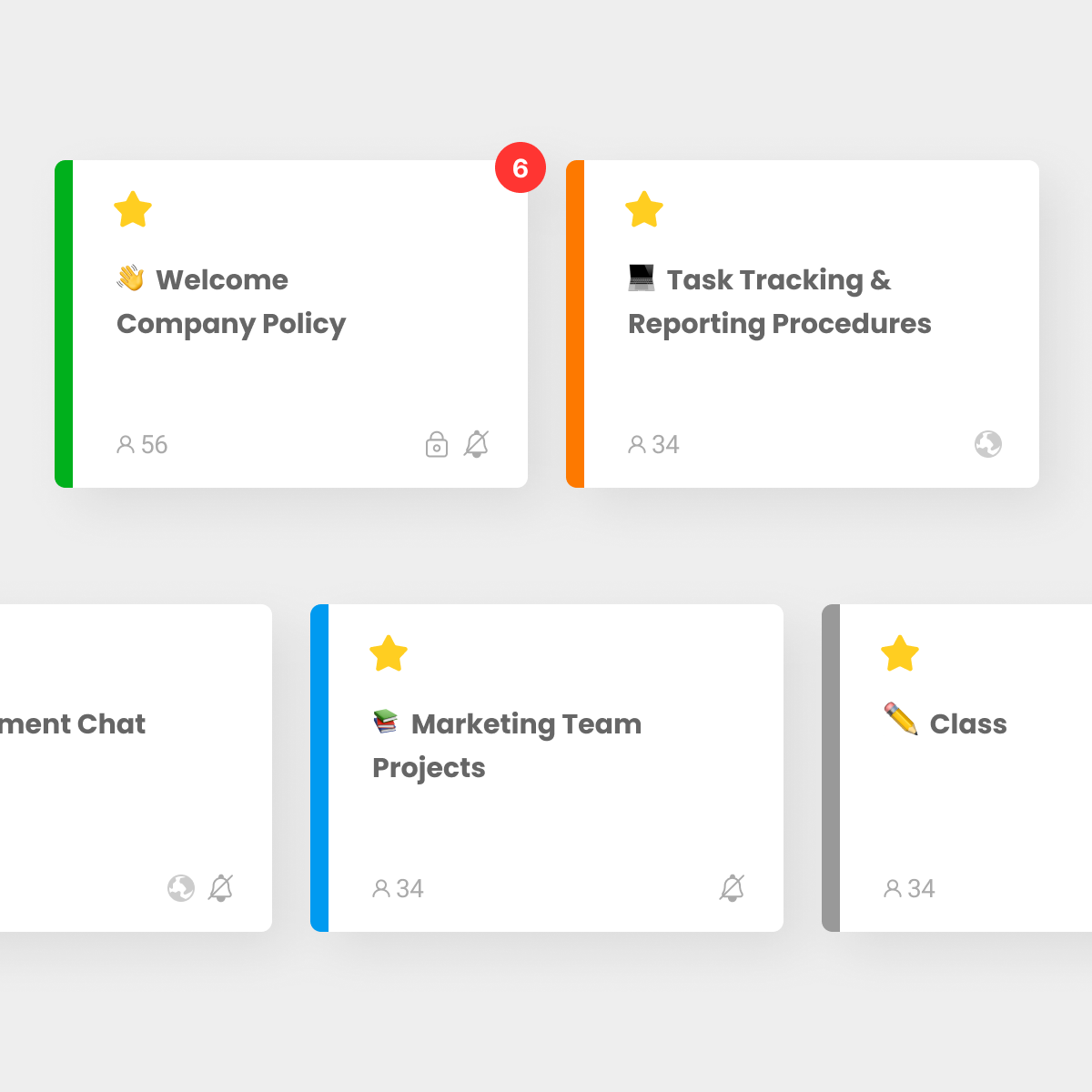
With Morningmate, create a dedicated space for handover documents and logs. This centralized repository allows team members to access pertinent information easily, fostering smoother transitions between shifts.
Real-Time Updates
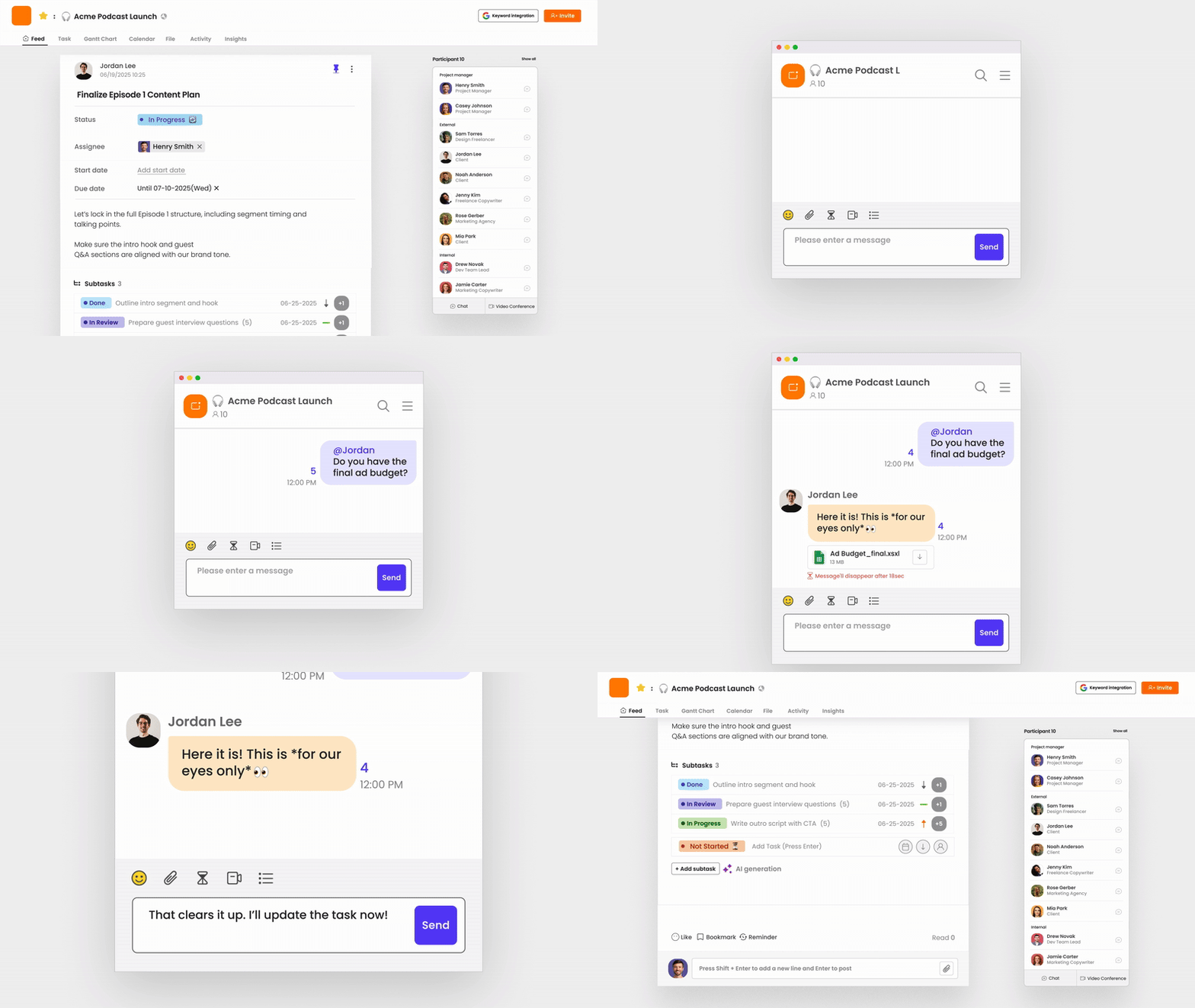
Morningmate enables real-time communication, ensuring that updates made during one shift are instantaneously available to the next. This feature is particularly beneficial in rapidly changing environments.
Collaboration and Discussion Threads
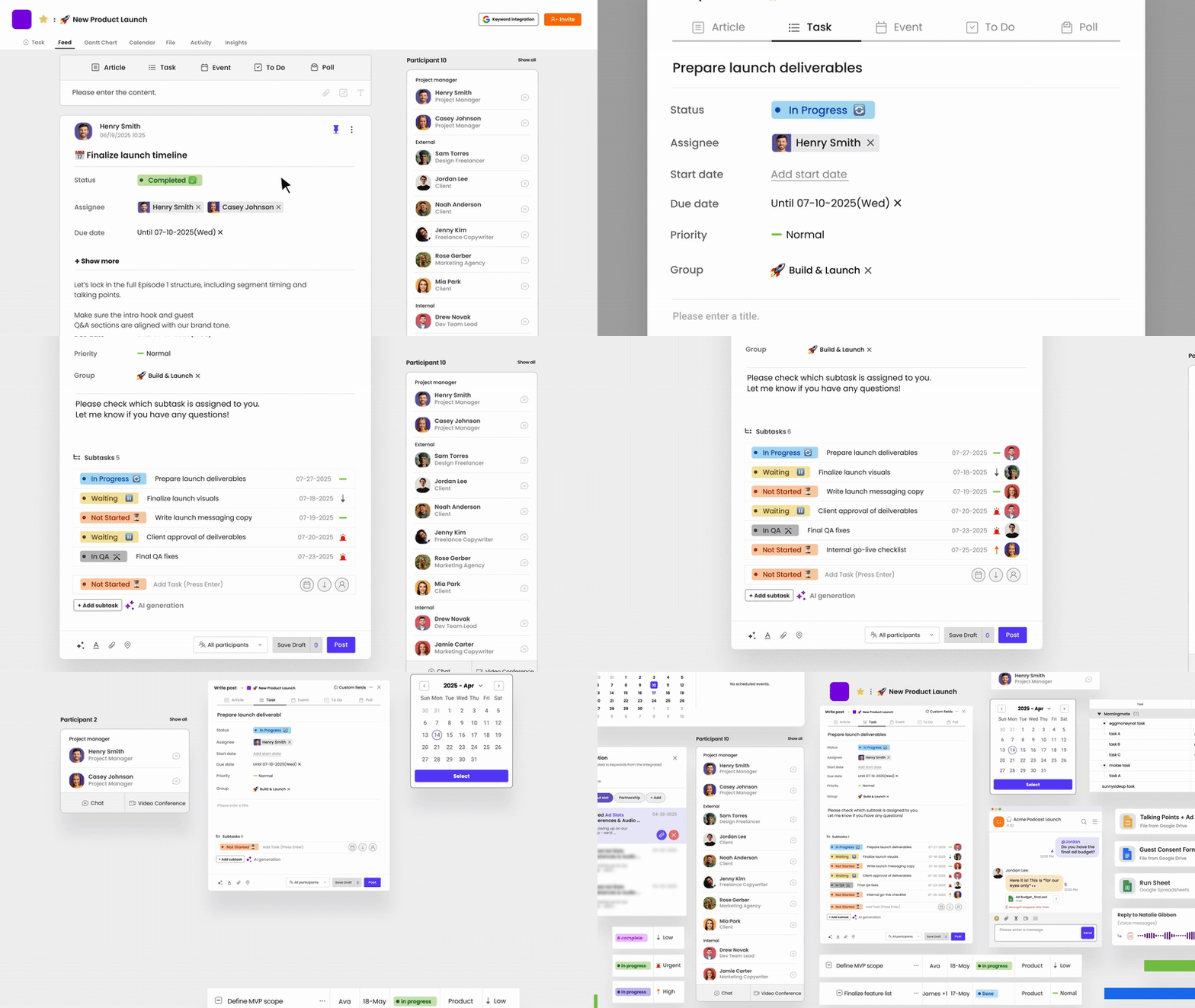
Use discussion threads to address specific issues that arise during handovers. This feature allows for collaborative problem-solving and immediate feedback, enhancing team coordination.
Leveraging a tool like Morningmate can enhance not only the efficiency of handover communication but also the overall cohesion and productivity of your team.
Elevating Shift Handover Communication
Effective management of shift handover communication in teams is crucial for sustaining productivity and maintaining operational consistency. By adopting a structured approach and utilizing digital tools like Morningmate, you can minimize information loss, reduce errors, and ensure that your team operates smoothly across shifts.
In 2025, the demands on teams will continue to evolve, making it imperative to focus on refining communication processes. By prioritizing clarity, fostering open communication, and leveraging technology, organizations can set themselves up for success now and in the future.
Invest in robust handover procedures and watch as your team’s efficiency and job satisfaction rise, creating a harmonious and productive work environment.