
Managing an operations team efficiently is crucial for maintaining smooth workflows and achieving organizational objectives. In today’s fast-paced business environment, operations teams are the backbone that ensures products and services are delivered with precision and excellence. Mastering operations team management best practice involves understanding diverse strategies and implementing them effectively.
From streamlined communication processes to optimized resource allocation, successful operations management requires a blend of tactical insight and strategic foresight. In this comprehensive guide, we’ll explore top strategies and practices that can help operations managers lead their teams effectively and improve overall performance.
Whether you’re a seasoned team manager or new to the field, applying these principles can make a significant difference in how your operations team functions. Let’s delve into the essential components of effective operations team management.
Understanding the Role of Operations Management
The core of successful operations team management lies in grasping the fundamental role these teams play within an organization. Operations managers are responsible for ensuring that business processes are efficient, resources are wisely allocated, and goals are met on time. This involves a complex mix of planning, organizing, and supervising.
Effective operations managers are adept at problem-solving and decision-making. They need to coordinate between various departments, ensuring that every aspect of the production and service delivery chain is functioning optimally. By understanding the critical role operations management plays, you can better align your team’s efforts with the broader objectives of your organization.
Key Principles for Operations Team Management
To excel in managing operations teams, certain key principles should guide your approach. These principles can help you create a productive environment and foster a culture of continuous improvement.
1. Prioritize Clear Communication
Clear communication is the backbone of effective team management. Ensure that all team members understand their roles, responsibilities, and the goals they need to achieve. Regular meetings and open channels for feedback help maintain transparency.
Morningmate, for example, offers collaborative tools that simplify communication between team members, making it easier to share updates, discuss ideas, and resolve issues promptly.
2. Set SMART Goals
SMART goals—Specific, Measurable, Achievable, Relevant, and Time-bound—are essential for guiding an operations team effectively. Clear targets provide direction and help measure progress, ensuring that each team member knows what’s expected of them.
Work collaboratively with team members to set and review these goals periodically, adjusting strategies as needed to meet evolving business demands.
3. Optimize Resource Allocation
Effective resource management is crucial for operations teams. Assess and allocate resources—such as manpower, equipment, and finances—based on project requirements. An optimized allocation strategy boosts efficiency and helps prevent bottlenecks.
Leverage project management tools to gain insights into resource utilization and to make informed decisions about reallocating resources where necessary.
Building an Efficient Operations Team
A well-rounded operations team is vital for achieving organizational success. Here are some strategies to build and maintain a strong team.
Recruit the Right Talent
Hiring the right talent involves more than just evaluating technical skills. Look for candidates who align with the company’s values and have the right soft skills, such as teamwork, communication, and adaptability, which are essential for collaboration and problem-solving.
Foster a Culture of Continuous Improvement
Encourage team members to seek opportunities for learning and development. Providing access to training programs and workshops enables them to acquire new skills and refine existing ones, keeping the team innovative and competitive.
A culture that values feedback and iteratively improves processes can lead to more significant performance outcomes.
Encourage Collaboration and Teamwork
Collaboration is key to the success of operations teams. By encouraging teamwork, you ensure that diverse perspectives are considered, and solutions are well-rounded. Implement collaboration tools to facilitate communication and foster an environment where team members can easily brainstorm and share ideas.
Embracing Technology in Operations Management
Incorporating the right technology is integral to modern operations team management best practice. Technology enhances communication, improves efficiency, and provides valuable insights that inform decision-making.
Utilize Project Management Software
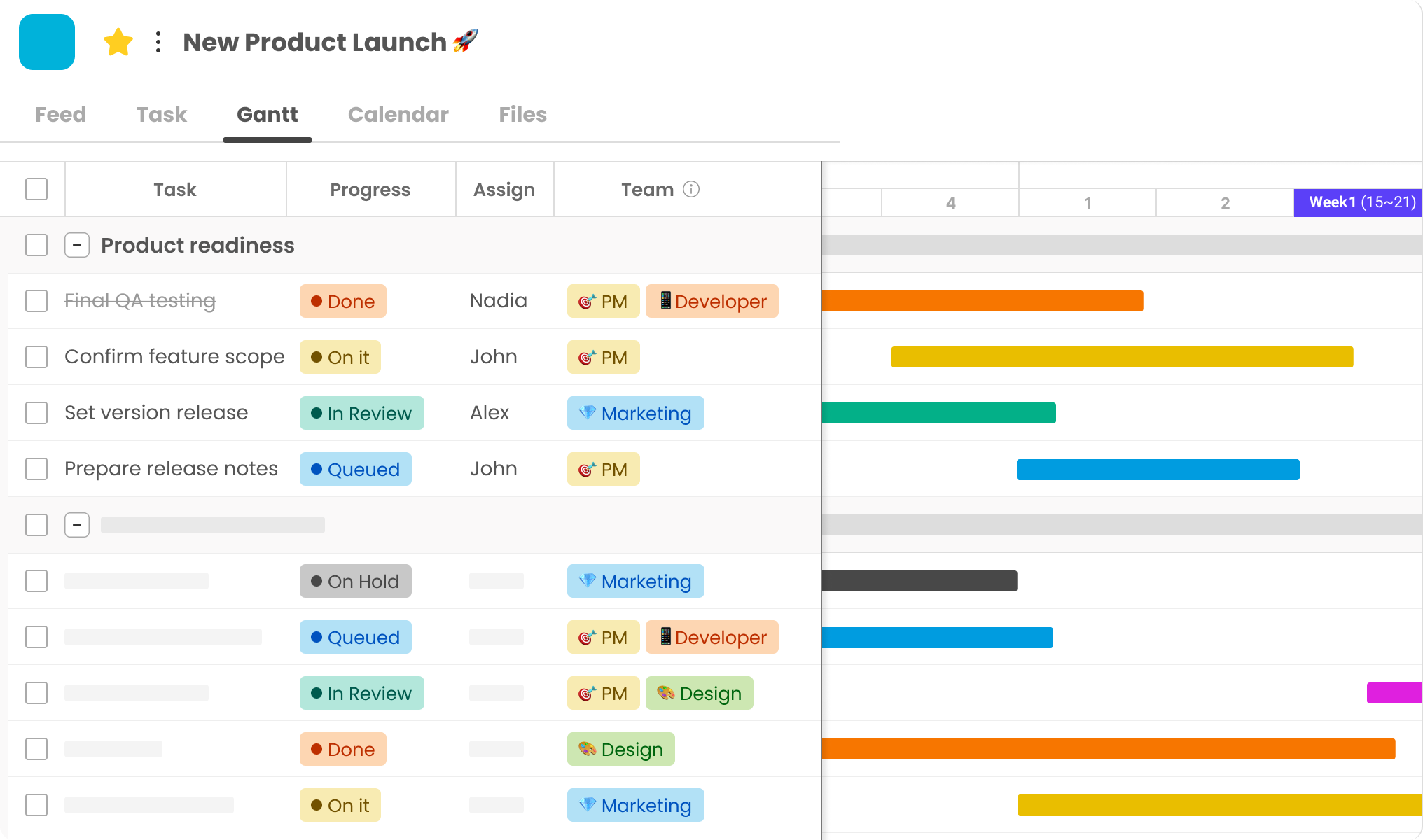
Project management software helps streamline operations by providing tools for planning, tracking progress, and managing resources effectively. Solutions like Morningmate offer customizable features that cater to specific operational needs.
These tools can improve team alignment and ensure everyone is on the same page, minimizing delays and inconsistency in project execution.
Leverage Data Analytics
Data-driven decision-making can significantly enhance the effectiveness of operations teams. Use analytics tools to gather and analyze data on performance metrics, customer satisfaction, and process efficiency.
This information provides insights into areas where improvements are needed, helping teams to focus on strategic innovations and refinements.
Creating a Resilient Operations Strategy
In an ever-changing business landscape, building resilience into your operations strategy is a must. Here are some ways to create a robust strategy that can withstand uncertainty and challenges.
Implement Risk Management Practices
Risk management is a crucial component of a resilient operations strategy. Identify potential risks, develop contingency plans, and establish protocols to mitigate these risks.
This proactive approach minimizes disruptions and ensures that operations continue smoothly, even in unexpected circumstances.
Adaptive Planning and Flexibility
Encourage flexible planning to adapt quickly to changes in the market or industry. An agile approach allows operations teams to respond swiftly to new opportunities or challenges, ensuring the organization maintains its competitive edge.
Frequent performance reviews and regular adjustments to operational strategies can help keep the organization aligned with its strategic goals.
Measuring Success and Performance
Performance measurement is key to understanding how well your operations team is functioning. By establishing clear metrics and continuously monitoring progress, you can identify areas for improvement and celebrate successes.
Identify Key Performance Indicators (KPIs)
Identify KPIs that accurately reflect your team’s goals and objectives. Metrics such as turnaround time, quality of output, and customer satisfaction can provide valuable insights into team performance.
Regularly review these indicators to gauge progress and make informed decisions to steer your team towards achieving desired outcomes.
Regular Feedback and Performance Reviews
Conduct regular performance reviews to provide feedback to team members. Recognize achievements and address areas that need improvement to foster a productive work environment.
Create an open feedback culture where team members feel encouraged to share their thoughts and suggest improvements, enhancing overall team performance.
Operations team management best practice encompasses a wide range of strategies and principles aimed at improving efficiency, fostering teamwork, and achieving organizational success. By implementing these practices, operations managers can build robust teams that are well-equipped to handle the complexities and challenges of today’s dynamic business environment.
As you strive to improve your operations team management skills, remember that continuous learning and adaptation are key to staying ahead. Integrate the right tools like Morningmate and stay committed to refining your strategies over time for sustained success.