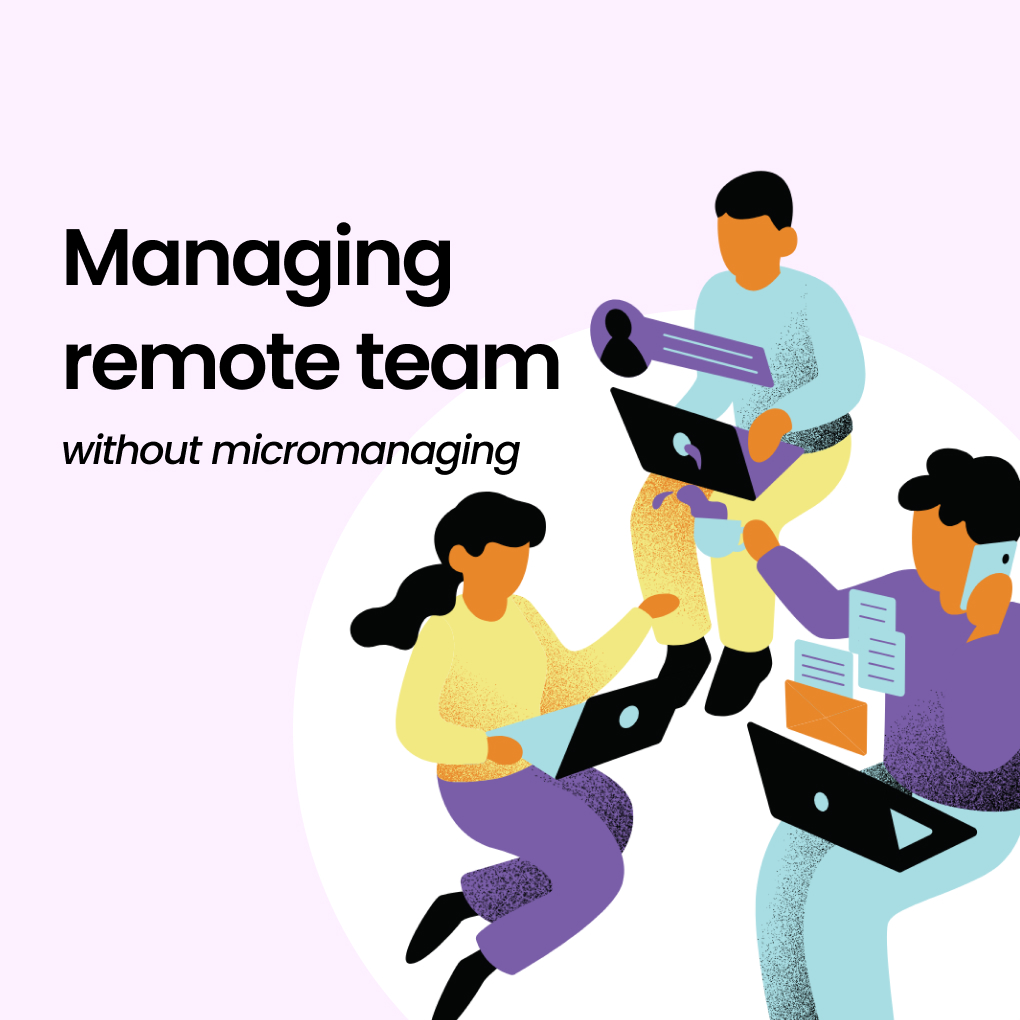
The tension every remote manager knows
Remote work is now a permanent fixture — only 27% of companies have returned to fully in-person models in 2025. But managing a distributed team surfaces a real tension that in-person work papers over: how do you know what’s happening without becoming the manager who checks in every hour?
Microsoft research found that 85% of managers doubt their team’s remote productivity — even when outputs are strong. That doubt drives the behavior that erodes trust: constant check-ins, unsolicited status requests, monitoring tools that treat employees like suspects.
This post is about resolving that tension. Not by ignoring your need for visibility — that’s real and legitimate — but by building systems that give you genuine insight without surveillance.
Why micromanagement gets worse remotely
Research consistently shows that electronic monitoring and overchecking backfire. A 2025 study on active monitoring in remote work found it reduced employees’ trust, engagement, and job appeal. When managers track every click and ask for hourly updates, teams start working for approval instead of outcomes.
The irony is that micromanagement usually produces less visibility, not more. When employees feel watched, they spend time managing how they look rather than doing the work. You end up with better-looking reports and worse actual results.
Micromanagement in remote settings typically comes from one source: the system doesn’t provide visibility, so the manager has to create it manually through constant communication. Fix the system, and the urge to micromanage largely disappears.
The four building blocks of visibility without surveillance
1. Make work structured and centrally visible
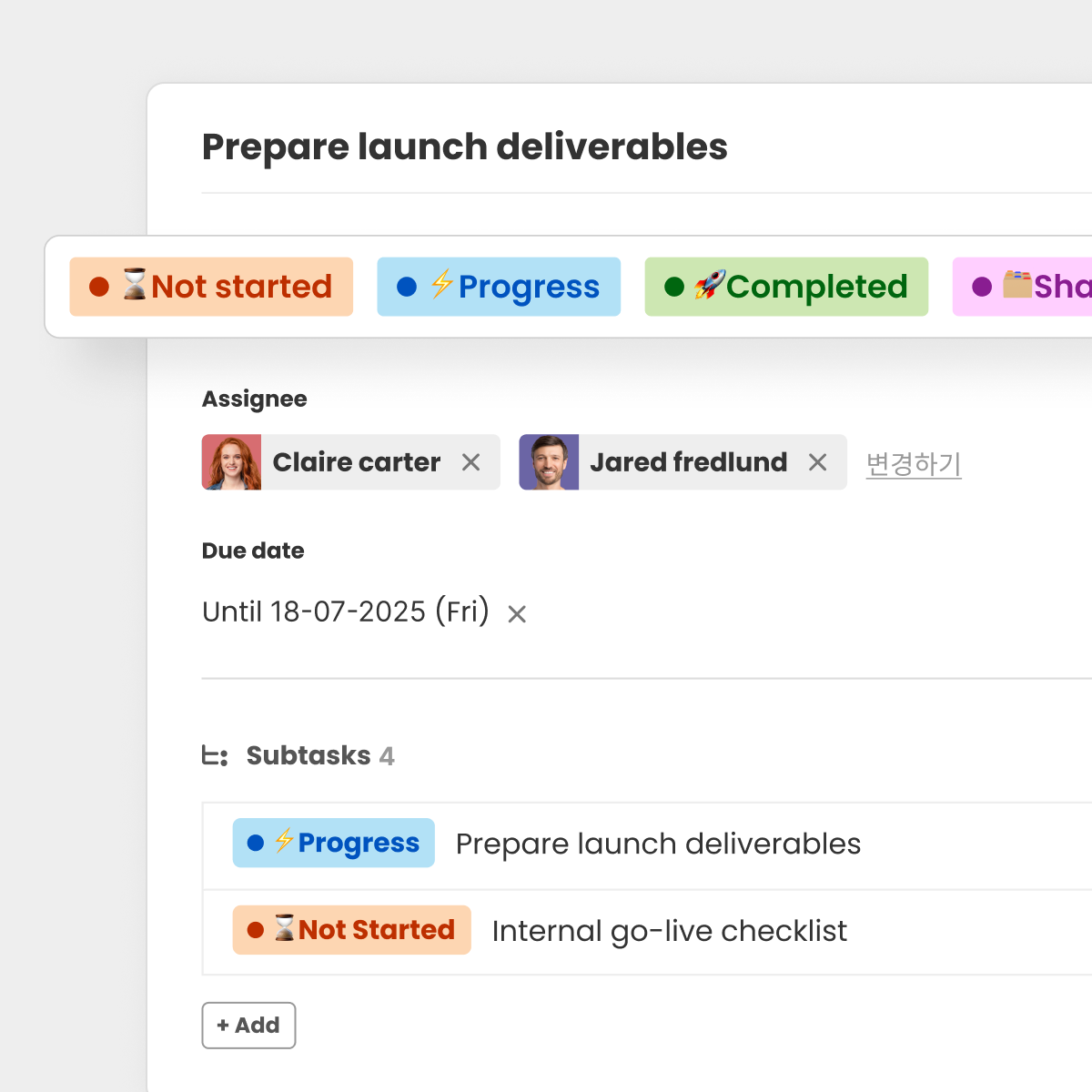
The single most effective thing a remote manager can do is ensure all work — tasks, projects, requests — lives in one shared system with clear ownership and status. When an employee finishes a task, the system shows it. When something is blocked, the system shows it. The manager doesn’t need to ask because the answer is already visible. Tools designed for non-technical teams, like Morningmate, combine task tracking with team messaging so remote managers get a full picture of progress without switching between five different apps.
This isn’t about surveillance. It’s about having a shared source of truth that everyone, including the manager, can consult at any time.
2. Shift from activity-based to outcome-based management
Companies with effective remote management practices report 25% higher productivity rates than those that struggle. The difference is almost always orientation: outcome-focused teams measure what gets done, not how many hours are logged.
Define success clearly for each role and each project. What does a good week look like for this person? When that’s established, you can evaluate it from deliverables rather than digital presence.
3. Build async check-in rhythms instead of meetings
Replace the impulse to message someone for an update with a lightweight async ritual. This might be a brief written check-in at the end of the day — three bullet points: what I completed, what I’m working on, any blockers. It takes two minutes to write and two minutes to read, and it answers most of the questions that would otherwise prompt a direct message.
The discipline is on the manager’s side: trust the ritual, don’t add meetings on top of it.
4. Intervene when the signal appears — not before
One of the most useful frameworks for remote management is this: don’t check in to confirm someone is working. Check in when something signals they might need support. Quality dropping, a deadline at risk, an unusual silence on a project that should be active — these are the signals that warrant a conversation.
Proactive check-ins without signal are surveillance. Responsive check-ins when something flags are leadership.
What to say instead of ‘can you update me?’
Even with good systems in place, there are times when you need to reach out. How you do it matters. Compare:
- ‘Can you update me on where things stand?’ — This feels like distrust, puts the burden on the employee, and adds to their communication load.
- ‘I noticed the [task] hasn’t moved since Tuesday — is there a blocker I can help with?’ — This is specific, shows you’re paying attention to the work, and frames your involvement as support rather than oversight.
The difference is whether you’re asking for visibility because the system doesn’t provide it, or because you’ve noticed a specific signal that something might be stuck. The first is a system problem. The second is leadership.
The bottom line
Remote management gets easier when visibility is built into the system rather than extracted through conversation. When tasks have owners, progress is trackable, and everyone works from a shared view of what’s happening — managers can lead from information rather than anxiety.
You stop sending ‘can you update me?’ messages not because you care less, but because you already know.