

In today’s fast-paced business environment, establishing clear and concise guidelines for your team is crucial for efficiency and productivity. For small teams, the focus should be on crafting effective and comprehensive Standard Operating Procedures (SOPs) that guide team members through everyday tasks and ensure seamless operations. A well-written SOP can serve as a valuable resource for new employees, and provide a consistent approach to completing tasks. In this article, we’ll explore how to write a standard operating procedure specifically tailored for a small team.
Creating effective SOPs doesn’t have to be a daunting task. By approaching the process systematically, you can develop documents that not only meet your team’s needs but also enhance productivity. It’s about understanding what your team requires to succeed and translating these needs into clear, actionable steps. Let’s dive into the structured approach to SOP creation.
Understanding the Basics of a Standard Operating Procedure
To craft an effective SOP, it’s essential to understand what it involves. A standard operating procedure is a detailed, written instruction designed to guide employees through routine tasks. It outlines the necessary steps, timelines, responsibilities, and resources required to accomplish a particular task.
The main goal of an SOP is to ensure consistency and quality of work. In a small team, an SOP helps maintain a high level of productivity by clearly defining the roles and responsibilities of each team member. It eliminates uncertainties and provides a reference that is easily accessible to everyone, resulting in more efficient workflows.
Identifying and Documenting Key Processes
Start by identifying the key processes that your small team engages in daily. Focus on tasks that are critical to your operations or those that often become bottlenecks due to lack of clarity. This could include areas like customer service inquiries, inventory management, or project reporting.
Once you’ve pinpointed these areas, it’s important to document them thoroughly. This means breaking down each selected process into smaller, manageable tasks. Engage your team in this exercise to gain insights into any challenges they face and areas for improvement.
Step-by-Step Guide to Writing an SOP
1. Define the Purpose and Scope
Begin with a clear statement of the purpose and scope of the SOP. This section should answer why the SOP is necessary and what process it covers. Explain how it fits into broader business objectives and its benefits for the team.
2. Assign a Team Member
Appoint a responsible person to oversee the creation of the SOP. This person will coordinate with team members to gather information and insights needed for the documentation. Having a project lead ensures accountability and progress.
3. Gather Necessary Information
Collect detailed information by interviewing experienced team members, observing workflows, and reviewing existing documentation. The goal is to gather a wide range of data that represents the actual day-to-day process.
Ensure you capture any variations of the process that occur under different circumstances. This comprehensive approach helps to create an SOP that is adaptable and realistic for all potential scenarios.
4. Organize and Write the SOP
Structure your SOP using clear, sequential steps. Write in a straightforward, non-technical language that is easy for all team members to understand. Begin with a table of contents for quick navigation, followed by a glossary of terms if necessary.
Include headings for each major task, and for each step, explain what needs to be done, who is responsible, and what resources are required. Provide diagrams or flowcharts to visually represent complex processes.
5. Review and Test the Procedure
Before finalizing your SOP, have team members review it to ensure accuracy and completeness. Conduct trials by having employees follow the procedures, noting any issues encountered. This feedback loop helps refine and improve the SOP.
Testing the procedure also helps identify training needs and readiness of the team to adopt the SOP seamlessly.
6. Implement and Monitor
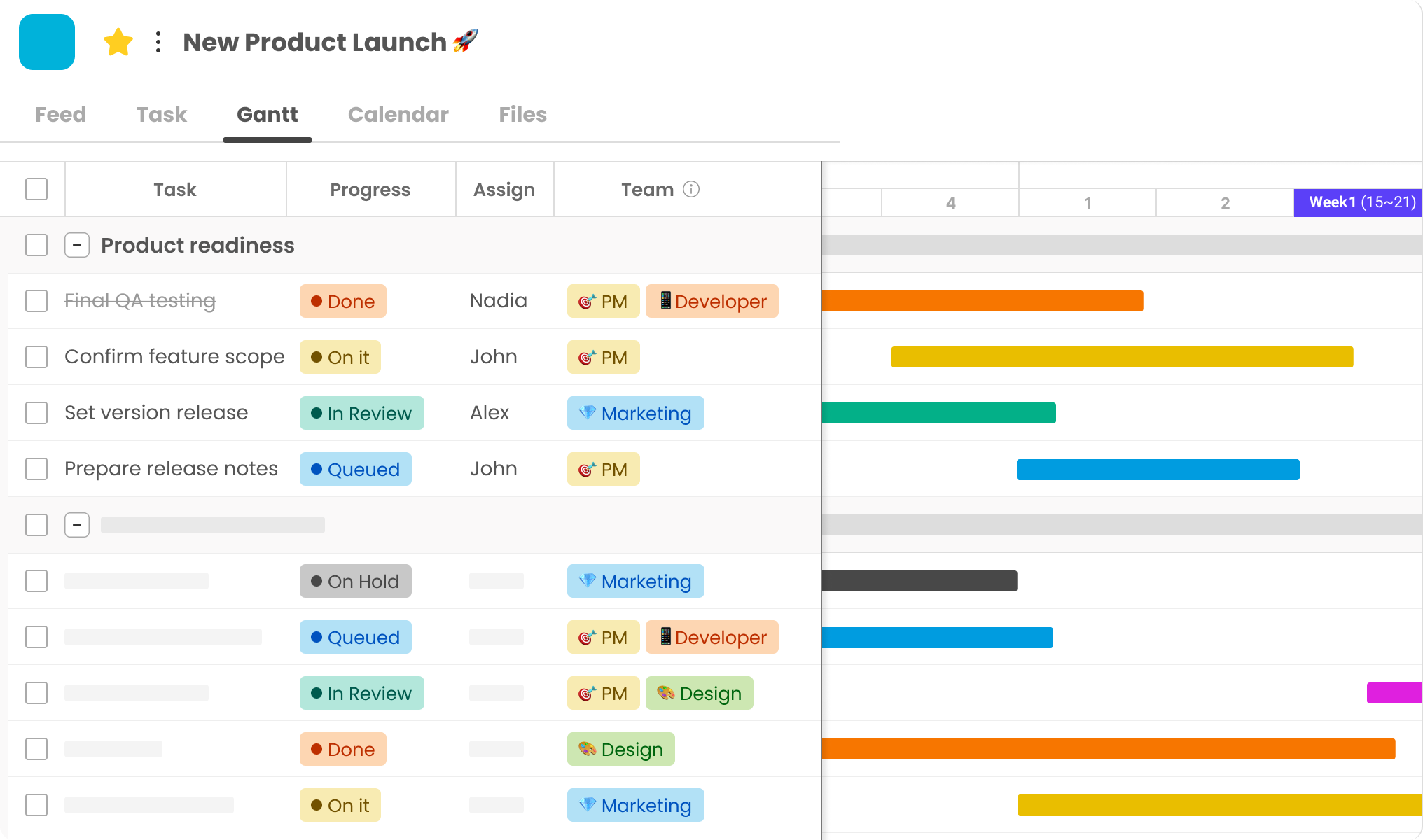
After final revisions and approvals, roll out the SOP to the team. Make it accessible to everyone, preferably in digital format for easy updating and distribution. Use tools like Morningmate to ensure collaboration and communication are maintained smoothly during implementation.
Consistently monitor the effectiveness of the SOP, gathering feedback for future updates. This dynamic approach ensures the SOP evolves with changing business needs and continuous team improvement.
Best Practices for Maintaining SOPs
Once you have established your SOP, it’s important to keep it up-to-date. Regularly review the document to ensure it reflects any changes in team processes, technologies, or business goals. Appoint a “SOP champion,” whose responsibility includes revisiting the SOP on a pre-determined schedule – bi-annually or annually is recommended.
Actively involve your team in the review process. Gather feedback on what parts of the SOP are working well and which areas need refinement. Encourage an open culture where employees feel comfortable suggesting changes and improvements.
The Benefits of SOPs for Small Teams
Implementing a well-crafted SOP offers numerous benefits to small teams. Firstly, it reduces errors and increases efficiency, as team members consistently follow standardized procedures. This leads to improved quality of work and customer satisfaction.
Secondly, SOPs facilitate training new employees. They provide a comprehensive guide to the team’s operations, allowing newcomers to adapt quickly and contribute effectively. This reduces the onboarding time and helps maintain productivity levels.
Lastly, SOPs enhance accountability within the team. By clearly defining roles and expectations, each member knows what is expected of them, enabling better measurement of individual and collective performance.
Conclusion
Creating an SOP is a strategic investment for any small team aiming for greater organization and efficiency. While the writing process requires time and attention, the long-term benefits make it immensely worthwhile. By following the steps laid out in this guide, you can develop SOPs that streamline processes, support team members, and adapt to your organization’s evolving needs.
Keep in mind that an SOP is a living document; it should change as your team grows and evolves. With regular review and input from your team, your SOP will remain a valuable tool for operational success.