
In the fast-paced business world, effective project management is a cornerstone of success. Yet, delays can thwart even the best-laid plans, leading to frustration, missed deadlines, and financial losses. Companies, especially those in the B2B SaaS sector like Morningmate, are constantly seeking ways to streamline workflows and minimize hiccups. So, how do you reduce delays in project workflows? By adopting strategic practices that promote efficiency and accountability.
Understanding the causes of project delays is the first step in tackling them. Common culprits include communication breakdowns, scope creep, and resource shortages. Addressing these effectively requires not only the right tools but also a mindset geared towards continuous improvement. Whether you’re managing a small team or a large enterprise, reducing delays can lead to better outcomes and greater client satisfaction.
This article explores practical strategies to curtail project delays, offering insights into adopting the right tools like Morningmate, optimizing processes, and fostering a collaborative team culture. Read on to discover actionable solutions that will keep your projects on track and your business thriving.
Identifying the Root Causes of Delays
Before you can effectively reduce delays in project workflows, it’s essential to understand what’s causing them. Delays can stem from various areas, often interrelated, which can complicate resolution efforts. Recognizing these root causes can help in developing targeted solutions.
- Poor Communication: Misunderstandings and lack of information can slow down progress.
- Inadequate Resource Allocation: Insufficient manpower or technology can create bottlenecks.
- Scope Creep: Uncontrolled changes or expansion in project scope can overwhelm resources.
- Insufficient Planning: A lack of thorough planning can lead to unforeseen issues.
Identifying these issues through regular project audits can prevent them from becoming recurring problems. Morningmate’s intuitive project dashboards can help monitor these factors effectively.
Implementing Effective Communication Strategies
To reduce delays in project workflows, fostering clear and consistent communication is key. Poor communication is often at the heart of project delays. Establishing efficient channels and protocols can make a significant difference.
Regularly scheduled meetings and updates ensure everyone is on the same page. Consider using communication tools integrated within project management platforms to centralize and streamline information sharing. Morningmate, for instance, offers robust communication features that keep teams connected and informed.
- Daily stand-up meetings to discuss progress and roadblocks.
- Weekly or bi-weekly reviews to align on long-term goals.
- Using collaborative tools for real-time updates and feedback.
Effective communication reduces misunderstandings and helps in addressing issues swiftly, minimizing delays.
Optimizing Resource Management
Resources are the backbone of any project. Proper allocation and management can prevent many common workflow delays. Discovering and assigning the right resources at the right time is crucial for project success.
Resource management involves more than just assigning tasks. It’s about understanding your team’s capacities and skills, ensuring everyone is optimally utilized without being overburdened. Using a systemized tool like Morningmate can help visualize resource allocation and availability, aiding in decision-making.
- Create a skills matrix to map team skills against project needs.
- Regularly review workloads to prevent burnout and inefficiencies.
- Automate task assignments based on resource availability using management software.
By optimizing resource management, teams can operate more fluidly and effectively, reducing potential delays significantly.
Preventing Scope Creep
Scope creep is a silent project killer, notoriously introducing delays by changing project requirements beyond their initial scope. It often occurs when project goals are not clearly defined or are continually evolving without proper management controls.
To combat scope creep, establish a detailed project plan from the onset, outlining all deliverables and expectations. Utilize change management protocols to guide how any alterations are requested, analyzed, and approved. Morningmate’s project templates can keep track of these requirements, ensuring consistency throughout the project’s lifespan.
- Define clear goals and deliverables at the project start.
- Implement a formal project change request process.
- Regularly review the project scope with stakeholders to ensure alignment.
Taking control of the project scope early on reduces the risk of unexpected changes that lead to delays.
Enhancing Planning and Scheduling
Thorough planning is essential to keep projects progressing smoothly without unnecessary delays. A sound plan serves as a roadmap to guide projects from initiation to completion, highlighting potential risks and roadblocks before they materialize.
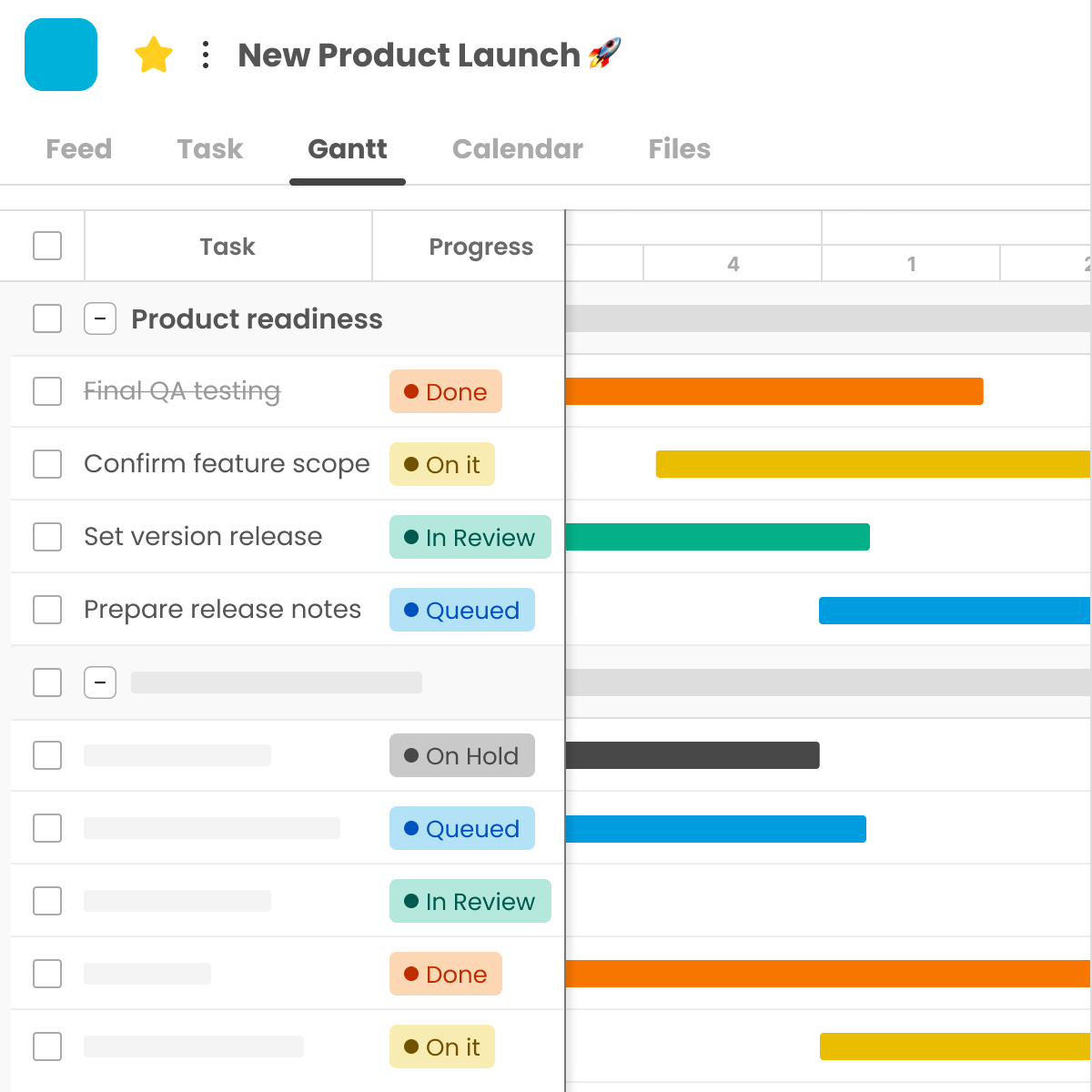
Adopting advanced planning techniques can significantly improve workflow efficiency. Techniques such as Gantt charts or Kanban boards, which are offered by platforms like Morningmate, provide visual timelines that help teams track their progress and adjust schedules proactively.
- Use Gantt charts to visualize project timelines and dependencies.
- Employ Kanban boards for task progression transparency.
- Conduct risk assessments to identify and mitigate potential delays.
Planning meticulously allows teams to identify issues early, keep project focus, and avoid hindrances that result in setbacks.
Embracing Agile Methodologies
Agile methodologies offer an adaptive approach to project management, well-suited for reducing delays in project workflows. By breaking projects down into smaller, manageable sprints, teams can focus on delivering incremental value while iteratively improving processes.
These methodologies prioritize flexibility and responsiveness, enabling teams to adapt to changes without derailing the entire project. Morningmate supports Agile frameworks by providing features that facilitate sprint planning and tracking.
- Utilize sprints for short, focused work cycles that promote adaptability.
- Conduct regular retrospectives to refine processes and enhance efficiency.
- Leverage Agile-friendly tools to streamline communication and task management.
Through Agile, teams remain dynamic and capable of navigating obstacles swiftly, reducing potential delays.
Encouraging a Collaborative Team Culture
Fostering a collaborative culture within your team can significantly reduce delays. When team members feel valued and included in decision-making processes, they are more committed to project success, leading to more proactive involvement in identifying and solving arising issues.
Implement team-building activities and encourage cross-functional collaboration to enhance team-wide engagement. Utilizing platforms like Morningmate that facilitate team interaction and transparency can create an environment where open communication flourishes.
- Implement regular team-building exercises to foster connections.
- Encourage cross-departmental projects to diversify skills and insights.
- Promote a culture of transparency and open feedback within project teams.
A collaborative and inclusive environment can greatly enhance team effectiveness, leading to projects that run smoothly and on schedule.
Incorporate Technology for Enhanced Efficiency
Leveraging technology effectively can address many root causes of delay. Project management tools that offer features for tracking progress, allocation of resources, and communication can help manage and reduce delays significantly.
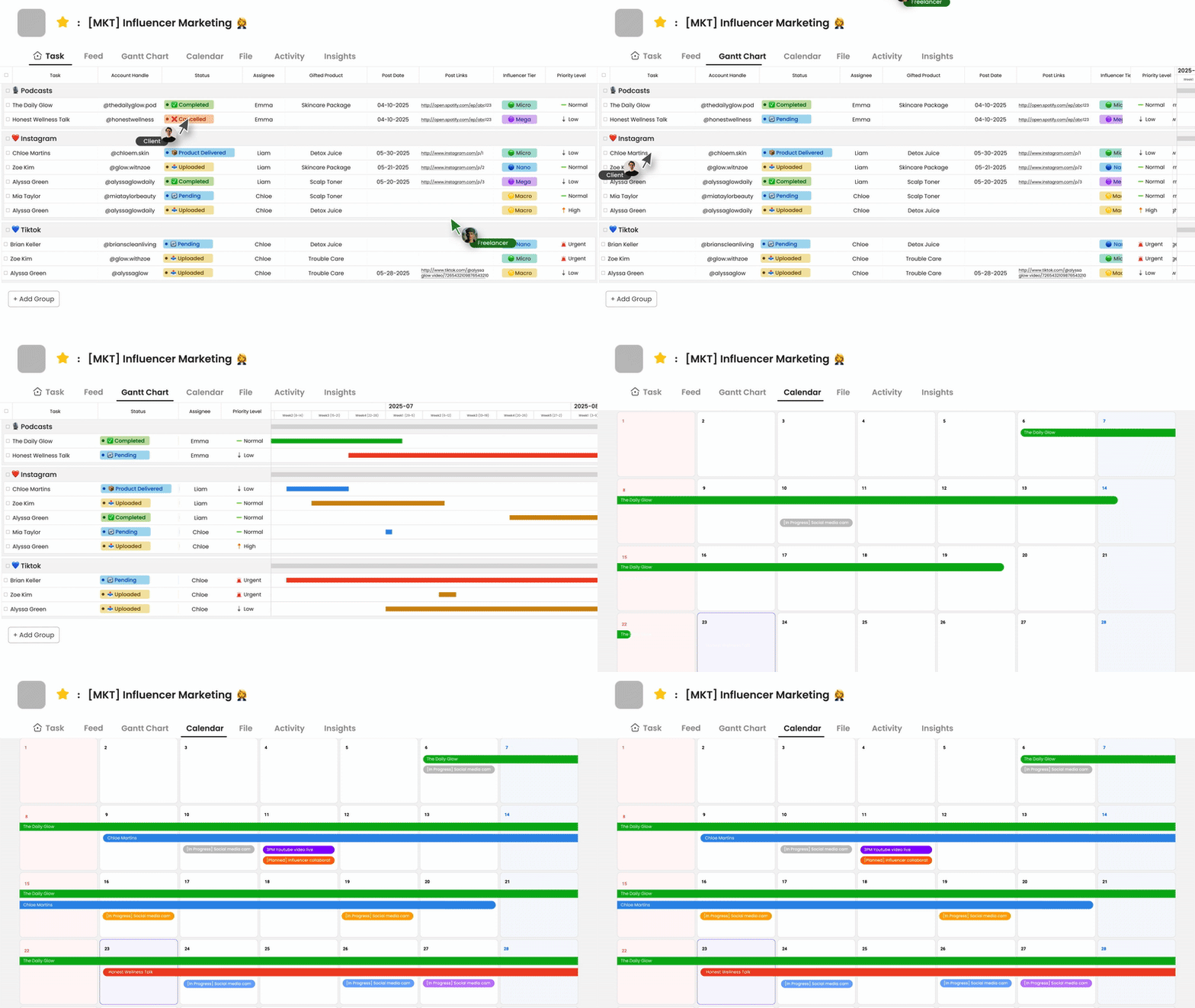
Morningmate’s suite of tools provides an integrated platform that supports all phases of project management, from planning to execution, keeping everything in one accessible location. By using technology to replace cumbersome manual processes, you can free up time for creative problem-solving and innovation.
Don’t let technology be an afterthought in your quest to reduce project delays. Embrace software solutions that scale with your business and contribute to more efficient workflows.
Conclusion: Steps Toward Delay-Free Workflows
Reducing delays in project workflows is not a one-size-fits-all solution but a tailor-made strategy that evolves with your projects and teams. By understanding the causes of delays and adopting agile, efficient practices tailored to your needs, you can significantly enhance your project outcomes.
Start by evaluating your current workflows and identifying areas for improvement. Implement the strategies discussed, such as enhancing communication, optimizing resource management, preventing scope creep, and fostering collaboration. Consider integrating versatile tools like Morningmate to streamline these efforts.
To maintain momentum and further improve over time, encourage continuous feedback and iterations in your processes. Ready to transform your project management approach and reduce those pesky delays for good? Explore the full potential of Morningmate and set your team on a path to success.