
Your team is busy — but are they actually doing their best work?
In most workplaces, the day is fragmented by back-to-back meetings, constant notifications, and the pressure to always be “on.” The result? Deep, focused work — the kind that drives real progress — gets pushed aside. Protecting deep work time for your team isn’t just a nice-to-have; it’s a competitive advantage that directly impacts productivity, innovation, and employee well-being.
Deep work isn’t about logging more hours. It’s about creating the conditions where your team can concentrate fully, think critically, and produce their highest-quality output without interruption. When this kind of focus becomes a regular part of how your team operates, the difference is tangible — faster skill development, stronger results, and a healthier work culture overall.
The good news? With the right strategies and tools in place, protecting deep work time is entirely achievable. From setting clearer expectations to smarter use of technology, this guide walks you through practical, actionable approaches that fit any team structure — so your people can do the work that truly matters.
Understanding the Importance of Deep Work Time
Deep work time is invaluable for maintaining a competitive edge. It allows team members to produce high-quality work in less time by concentrating solely on the task at hand. When team members regularly engage in deep work, they can develop skills faster and make meaningful contributions to their projects.
Moreover, deep work is crucial for mental well-being. Constant distractions and multitasking can lead to burnout and reduce job satisfaction. By protecting deep work periods, you not only boost productivity but also enhance employee morale. This approach ultimately supports a healthier, more fulfilling work environment.
Creating an Environment Conducive to Deep Work
An environment that encourages deep work is essential. This involves both physical and psychological components. Start by optimizing the workspace to minimize distractions. This could mean designating specific areas for quiet work, or encouraging the use of noise-canceling headphones.
In addition, foster a culture that values focus and respects deep work periods. Encourage team members to communicate their schedules and respect each other’s need for uninterrupted time. By setting these expectations, the entire team can better align and prioritize deep work.
Implementing ‘Do Not Disturb’ Policies
One practical method for protecting deep work time is implementing ‘Do Not Disturb’ policies. These policies can be formalized through communication tools like Morningmate, where team members can set their availability status to indicate deep work periods.
Regular reminders and training sessions can help reinforce these policies. Encourage team members to turn off notifications and refrain from checking emails during these protected times to maintain their focus.
Using Technology to Support Deep Work
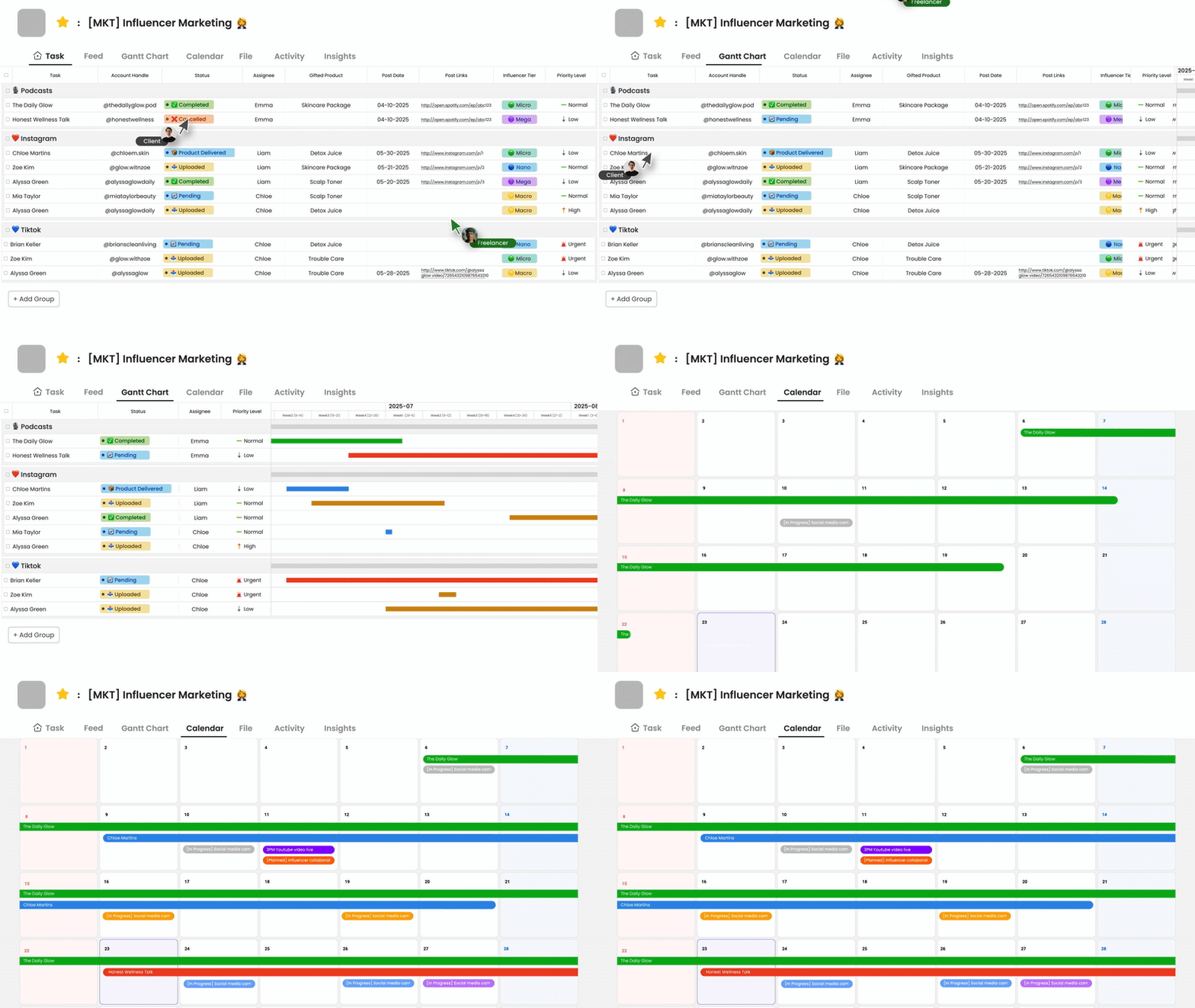
Technology, when used wisely, can be a powerful ally in protecting deep work time. Tools that facilitate communication and project management can also help manage and allocate deep work periods effectively. Morningmate offers features that allow team scheduling and task prioritization, making it easier to plan for deep work.
Incorporate productivity applications that block social media and other distractions during scheduled deep work periods. Utilizing such technology helps team members maintain focus without external interruptions.
Automating Routine Tasks
Automation can significantly free up time for deep work by handling routine or repetitive tasks. Identify processes that can be automated, such as email filtering and data entry. This allows team members to dedicate more of their time to tasks that require significant concentration and creative thinking.
Scheduling Deep Work Sessions
Effective time management is key to protecting deep work periods. Encourage your team to schedule specific blocks of time dedicated to deep work in their calendars. By treating these blocks as non-negotiable appointments, team members are more likely to respect and adhere to them.
Review these schedules periodically to ensure they align with organizational goals and individual productivity patterns. This flexibility allows for adjustments that cater to the evolving needs of your team.
Creating Shared Calendars
Shared calendars can enhance transparency and coordination regarding deep work periods. By enabling team members to visualize each other’s schedules, these tools prevent overlapping demands and promote a collective understanding of protected work times.
Such transparency fosters collaboration and allows for more strategic planning of collaborative efforts and meetings, ensuring that deep work times are not compromised.
Overall, protecting deep work time is an ongoing process that requires deliberate effort and commitment from both individuals and management. By creating an environment that fosters focus, leveraging technology wisely, and incorporating strategic scheduling, teams can unleash their full potential for deep work in 2025 and beyond. By following these strategies, you can ensure your team has the necessary balance to thrive in the modern workplace.