
Managing volunteer teams effectively is a crucial component of many organizations, especially non-profits and community groups. The success of these teams can significantly impact the overall mission and goals of an organization. By focusing on clear communication, structured processes, and motivational strategies, leaders can inspire volunteers and enhance their engagement and productivity.
Volunteer management requires not only enthusiasm but also strategic oversight to ensure that volunteers feel valued and are working towards a common objective. The key to managing volunteer teams effectively lies within understanding their motivations, coordinating their efforts, and ensuring that every team member is both heard and appreciated. In this article, we will explore practical strategies and insights that can help organizations facilitate more efficient and impactful volunteer management.
From setting clear expectations to utilizing technology like Morningmate to streamline communication, we will delve into various methods of enhancing volunteer management. We’ll also discuss examples of best practices from organizations that have successfully implemented these strategies, offering a comprehensive overview for those aiming to improve their volunteer coordination efforts.
Understanding Volunteer Motivation
Volunteers are driven by a diverse array of motivations. Understanding and acknowledging these motivations is the first step in managing volunteer teams effectively. Some volunteers are motivated by a personal connection to the cause, while others might be seeking new skills or looking to expand their social circles. Recognizing these individual drivers can help in assigning volunteers to tasks that best suit their interests and skills.
Start by conducting brief surveys or interviews to gather information about your volunteers’ interests and expectations. This will not only help in task allocation but also assist in tailoring engagement strategies that resonate with their personal goals.
Aligning Tasks with Interests
To ensure volunteers remain engaged, it’s important to assign tasks that align with their motivations. For example, if a volunteer expresses a desire to gain event management experience, assigning them planning and coordination roles for events can be highly fulfilling and educational for them.
Utilize a task-matching process where volunteers can choose roles based on their preferences and availabilities. This approach not only keeps volunteers satisfied but also enhances productivity as they are more likely to excel at tasks they are passionate about.
Effective Communication Strategies
Clear and consistent communication is vital in managing volunteer teams effectively. It establishes a sense of transparency and trust, keeping volunteers informed and engaged. Implementing structured communication channels ensures that all team members are aware of updates, changes, and feedback promptly.
Utilizing Technology for Streamlined Communication
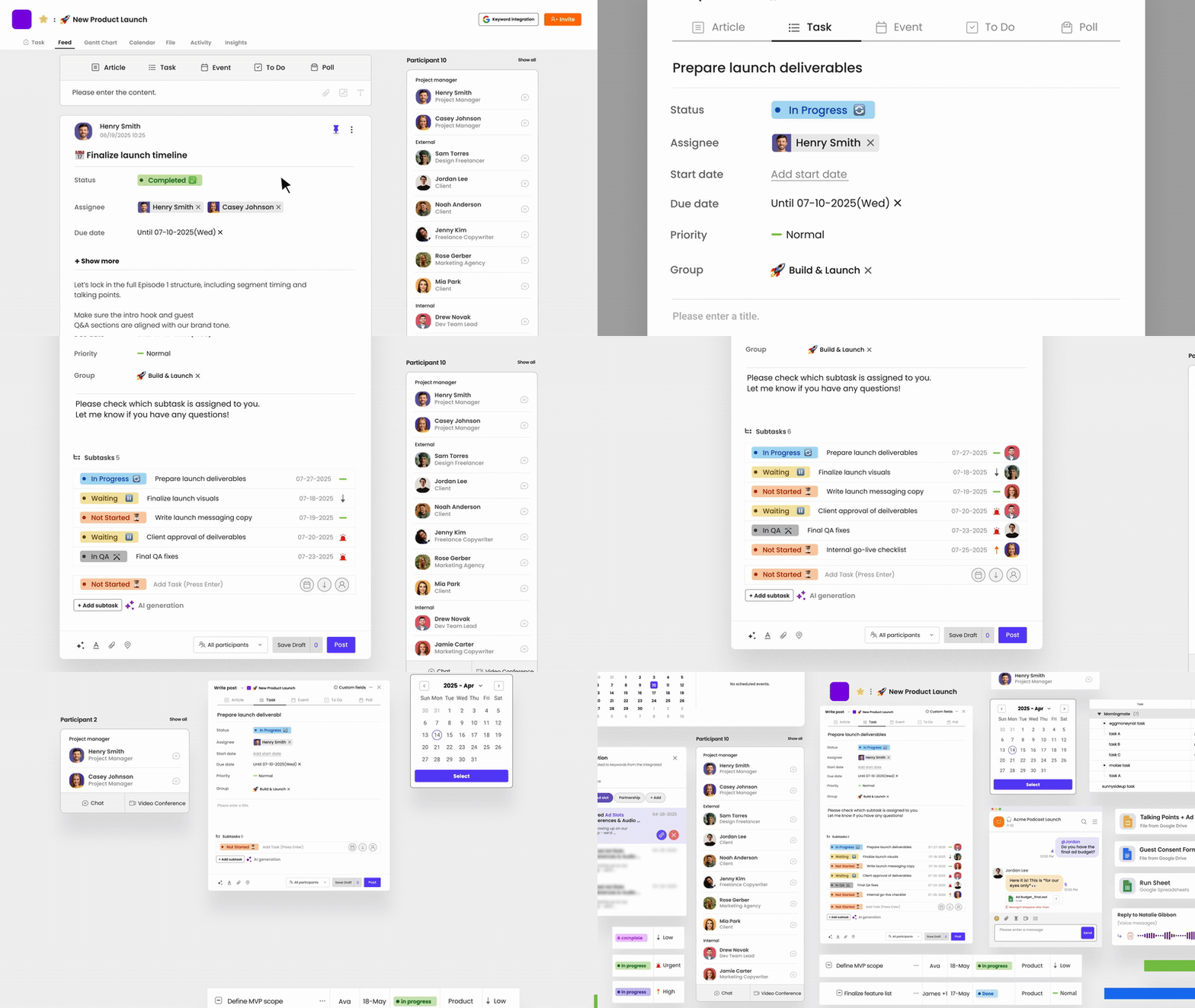
Digital tools like Morningmate can significantly enhance communication within volunteer teams. These platforms allow for easy sharing of updates, schedules, and resources, keeping everyone on the same page. They also enable real-time communication, which is essential for managing tasks efficiently and addressing any issues that arise.
These tools help reduce the margin for error and miscommunication that can occur with traditional communication methods like emails and phone calls. Volunteers can access vital information online at their convenience, facilitating a more fluid workflow.
Establishing Regular Check-Ins
Regular check-ins are crucial to provide feedback, address concerns, and foster a supportive environment for volunteers. Schedule brief weekly or bi-weekly meetings, either in person or virtually, to discuss progress, celebrate successes, and plan future activities. These meetings should be inclusive, allowing volunteers to voice their opinions and suggest improvements.
Providing Training and Development Opportunities
Offering training and development opportunities is a powerful way to enhance the effectiveness of volunteer teams. Many volunteers look for ways to learn and grow while contributing to a cause. Providing them with the tools and knowledge they need not only benefits the organization but also increases volunteer retention.
Training sessions can cover various areas such as skill development, leadership training, and orientation programs for new volunteers. Tailoring these sessions to the needs and interests of your volunteers will encourage active participation and a commitment to continuous learning.
Creating a Volunteer Handbook
A comprehensive volunteer handbook can serve as an invaluable resource for your team, offering guidance on roles, responsibilities, and conduct. This can also include information on the organization’s mission, procedures, and emergency protocols. Such a resource empowers volunteers by giving them the knowledge they need to perform their tasks effectively and independently.
Recognizing and Rewarding Volunteer Efforts
Acknowledgment of effort is a critical aspect of managing volunteer teams effectively. Volunteers dedicate their time and energy out of goodwill, and appreciating their contributions can go a long way in sustaining their motivation and involvement.
Implementing Recognition Programs
Establish a formal recognition program that highlights the achievements of volunteers. This could be through awards, certificates, or shoutouts in meetings and newsletters. Regularly acknowledging their hard work both privately and publicly reinforces their value to the organization.
Simple gestures such as thank-you notes or small tokens of appreciation can also boost morale and foster a culture of gratitude within the team.
Creating a Collaborative Environment
Fostering collaboration among volunteers is fundamental to building a cohesive team. Encourage teamwork by facilitating environments where volunteers can easily communicate, share ideas, and work together on projects.
Encouraging Team Building Activities
Organize team-building activities that allow volunteers to interact outside their regular responsibilities. This could be social events, workshops, or community services. Team-building activities not only enhance interpersonal relationships but also improve communication and problem-solving skills among team members.
These activities can serve as a refresher, helping to rejuvenate the volunteers’ passion for the cause while strengthening their bond with one another.
Promoting a Culture of Inclusivity
A culture of inclusivity ensures that all volunteers, irrespective of their backgrounds, feel welcomed and integral to the organization. Promote diversity by ensuring that all voices are heard and respected in meetings and decision-making processes. This inclusive approach leads to richer team dynamics and a broader perspective on solving challenges.
Evaluating and Improving Volunteer Programs
Continuous evaluation of volunteer programs is necessary to ensure their effectiveness and relevance. Gathering feedback from volunteers about their experiences can provide valuable insights into areas for improvement. This feedback process should be easy and accessible to encourage honest communication.
Conducting Reflective Reviews
At the end of each major project or event, conduct a reflective review to analyze what worked well and what could be improved. Include all team members in this process to gather diverse opinions and develop a comprehensive understanding of the program’s effectiveness.
Use this feedback to make informed adjustments and improve the structure of future volunteer programs. Keeping your volunteer teams dynamic and responsive to change is essential for long-term success.
In conclusion, managing volunteer teams effectively involves a combination of clear communication, motivation alignment, continuous development, and appreciation of efforts. By implementing these strategies thoughtfully, organizations can build a robust and dynamic volunteer base that not only thrives in its operations but also enhances the overall impact of the organization’s mission.