
In the fast-paced world of project management, scope creep is a notorious productivity killer. It sneaks into projects, dragging timelines and budgets along for the ride. While many attribute scope creep to difficult clients, the real culprit often lies closer to home: unclear task ownership. By redefining how tasks are assigned and owned, teams can effectively manage scope creep from the outset.
Scope creep occurs when additional tasks that were not part of the original project plan are added without corresponding adjustments to time, budget, and resources. This cripples efficiency and undermines team morale. Crucially, unclear task ownership leads to overlapping responsibilities, miscommunication, and ultimately, unchecked expansions of workload.
Clarifying task ownership is not just an administrative necessity—it’s a strategic approach to keeping projects aligned with initial goals and expectations. Implementing clear task ownership practices can shield businesses from scope creep and foster a more productive work environment.
Understanding the Roots of Scope Creep
Before diving into prevention strategies, it’s essential to understand why scope creep begins with unclear task ownership. When responsibilities are not clearly delineated, team members may overestimate the scope or misinterpret deliverables. This confusion often leads to taking on unauthorized tasks, which compounds scope issues.
Clients are rarely the intentional instigators of scope creep. More often, they are responding to the uncertainty created by vague task definitions. Without clearly assigned roles, project boundaries blur, prompting clients to continuously reinterpret their requirements.
This scenario stresses the importance of establishing definitive task ownership from the beginning. It involves more than just assigning tasks—it means clearly outlining who is accountable, what they are accountable for, and the limits of their authority.
Establish Clear Task Ownership
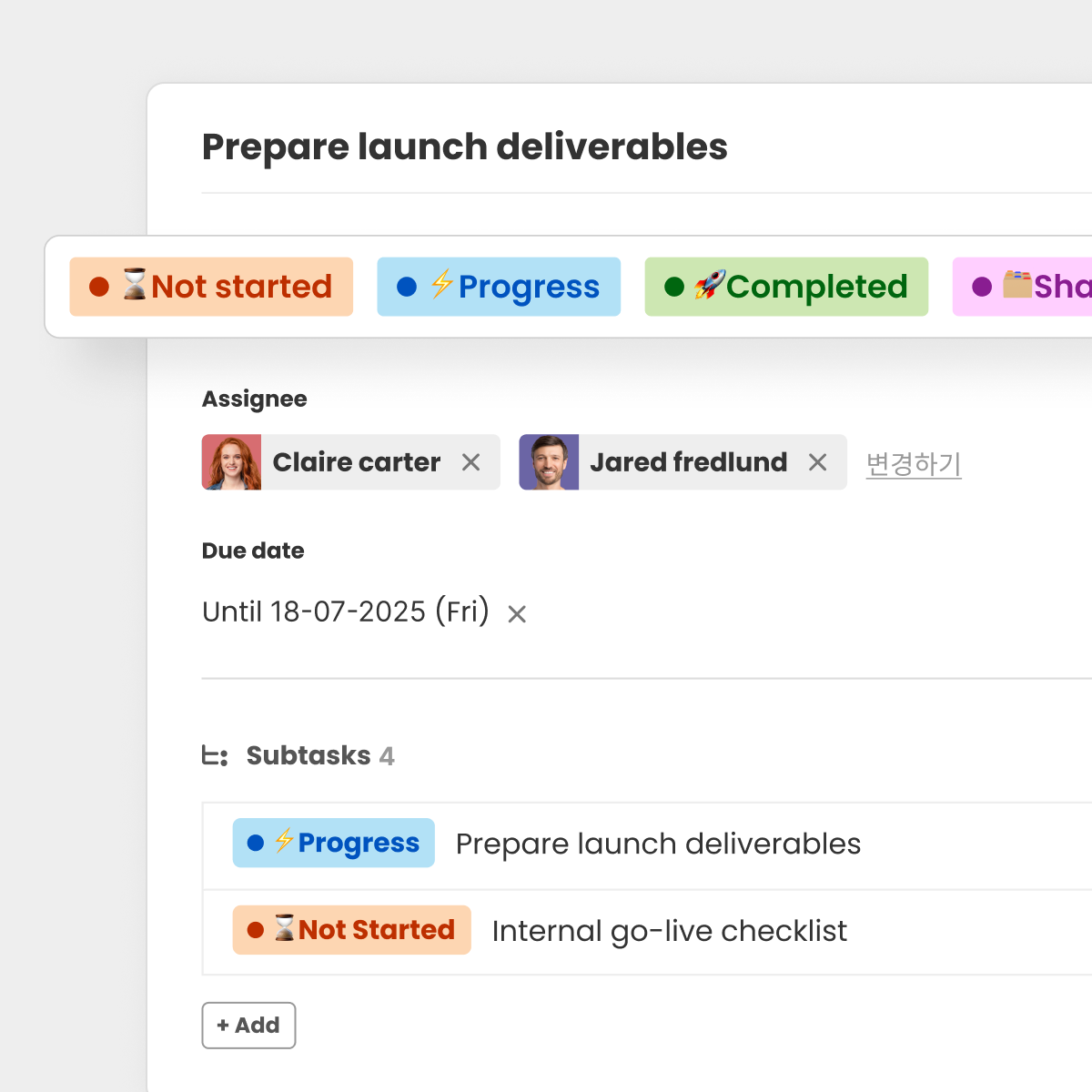
Clear task ownership involves more than delegation; it’s about crafting a clear, navigable path for each team member. This clarity helps avoid overlaps that often lead to scope creep. Here’s how to institute effective task ownership in your team:
- Define roles and responsibilities: At the project’s outset, ensure that each team member knows their specific duties and how they contribute to the larger project goals.
- Use precise task descriptors: Avoid vague phrasing in task descriptions. Detailed tasks limit misunderstandings and set clear expectations.
- Ensure accountability with regular check-ins: Regular updates and meetings can help track progress and resolve ambiguities before they lead to scope creep.
Morningmate can be a key tool in ensuring that tasks are visible and understandable by all team members, reducing the chances of overlaps or gaps in responsibility.
Assigning Tasks with Clarity and Purpose
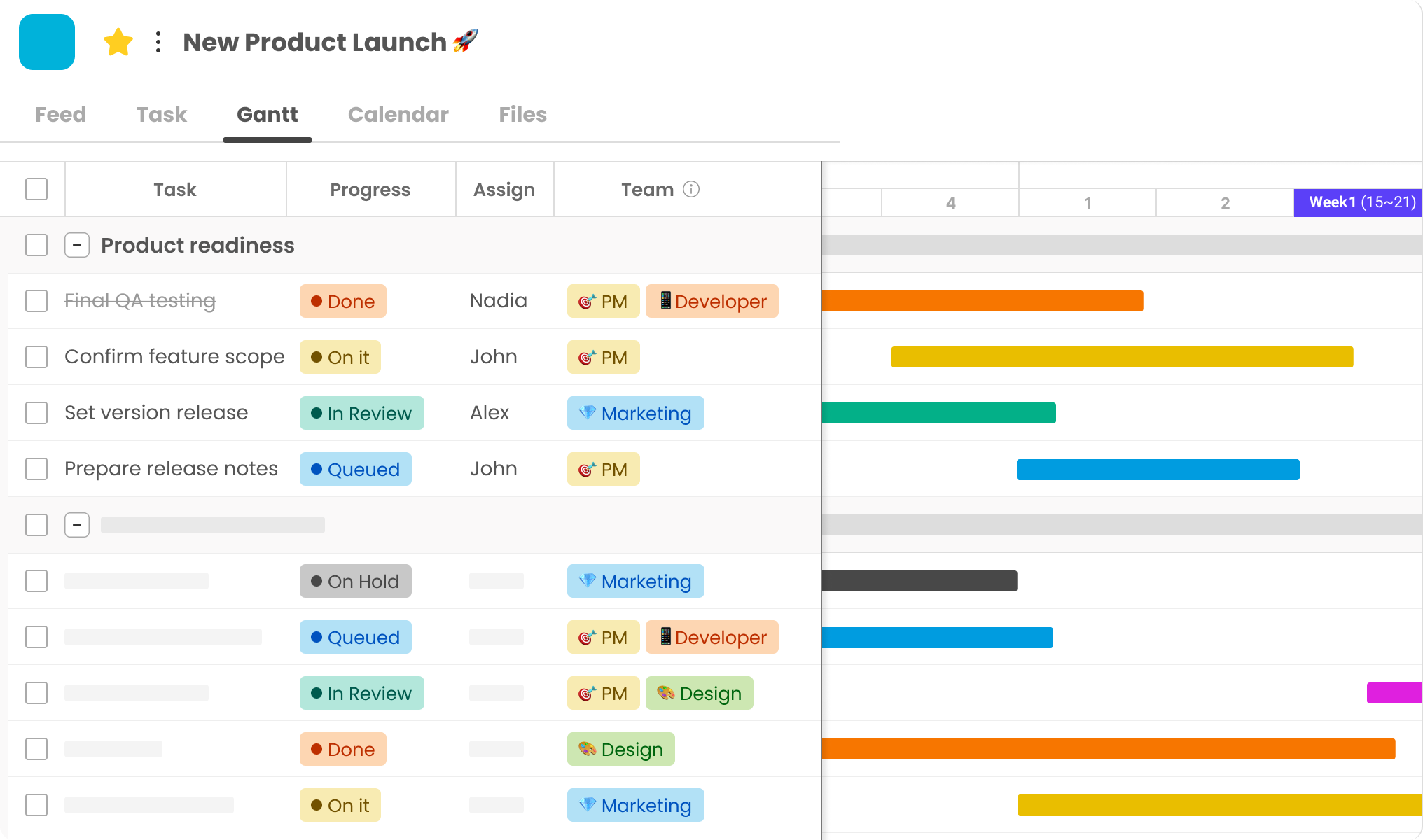
To combat scope creep, organizations must reinforce their task assignment methodologies. This means moving beyond simply dividing up work and fostering a stronger, systematized approach to task management.
Consider implementing a framework that highlights not only task distribution but also task relevance. Ensure that every task assigned aligns with both immediate and strategic project goals. This reduces the probability of tasks veering off course.
- Utilize project management tools: Invest in platforms that allow real-time updates, enhancing visibility and comprehension across the team.
- Foster open communication: Encourage team members to discuss potential scope changes or task uncertainties as soon as they arise.
- Build flexibility into plans: Create project designs that can accommodate minor adjustments without risking major scope shifts.
Tips for Sustaining Task Ownership
Beyond the initial assignment of tasks, sustaining clear task ownership throughout the lifecycle of a project is crucial. Continuously managing task ownership can prevent scope creep as projects evolve. Here are essential tips to maintain clear task ownership:
As projects progress, it’s easy for tasks to evolve or grow more complex. Sustaining task ownership requires vigilance and adaptability throughout the project phase.
- Set regular update meetings: These meetings ensure ongoing alignment and offer opportunities to address emerging problems before they escalate.
- Document changes meticulously: Ensure every change in task scope or responsibility is logged and accessible to all team stakeholders.
- Monitor workload balance: Check each team member’s workload regularly to avoid overburdening individuals, which can often lead to overlooked responsibilities and scope creep.
In Summary: Empower Your Team Against Scope Creep
Understanding that the catalyst for scope creep often lies in unclear task ownership—and not solely external pressures from clients—is crucial to managing it. By instituting well-defined roles, fostering communication, using effective task management tools, and being open to adaptation, teams can hushedly empower themselves against scope creep.
Engage with tools like Morningmate to provide a clear and comprehensive overview of tasks and responsibilities, streamlining communication and minimizing ambiguities.
Start reinforcing the practice of clear task ownership today to see measurable improvements in both project outcomes and team efficiency. Empower your team, and watch scope creep become a worry of the past.