Email once reigned supreme as the go-to collaboration tool in the workplace. Its simplicity made it accessible, and for several years, it fulfilled the basic needs of team communication. However, with the rapid advancements in technology and the increasing demands of modern businesses, many teams are finding that email no longer cuts it. If your team seems bogged down by overwhelming threads or failed to respond to important messages, it could be that you’ve outgrown email-based collaboration.
Navigating the shift from email to more dynamic tools can feel daunting. Yet, the potential benefits of embracing change can significantly enhance your team’s productivity, engagement, and strategic alignment. In this article, we will discuss seven signs indicating it’s time for your team to transition from email to a more robust collaboration solution like Morningmate.
1. Communication Overload
One of the most compelling signs that your team has outgrown email-based collaboration is communication overload. Emails are continually flooding inboxes, leading to important messages being buried or ignored. This overload not only distracts team members but also hampers productivity as they spend precious time sifting through unnecessary emails.
Consider adopting tools that allow for direct messaging and organized channels for different projects or departments. This segmentation keeps information relevant and ensures that everyone is on the same page without the noise of unrelated emails.
2. Lack of Real-Time Collaboration
Email is inherently slow and not designed for real-time interaction, which is essential for many workflows today. If your team collaborates across different time zones or requires immediate feedback, relying solely on email can lead to delays and miscommunication.
Look for collaboration tools that offer instant messaging, video conferencing, and shared document editing in real-time. This allows your team to collaborate as if they were right next to each other, no matter the distance.
3. Difficulty in Tracking Tasks and Projects
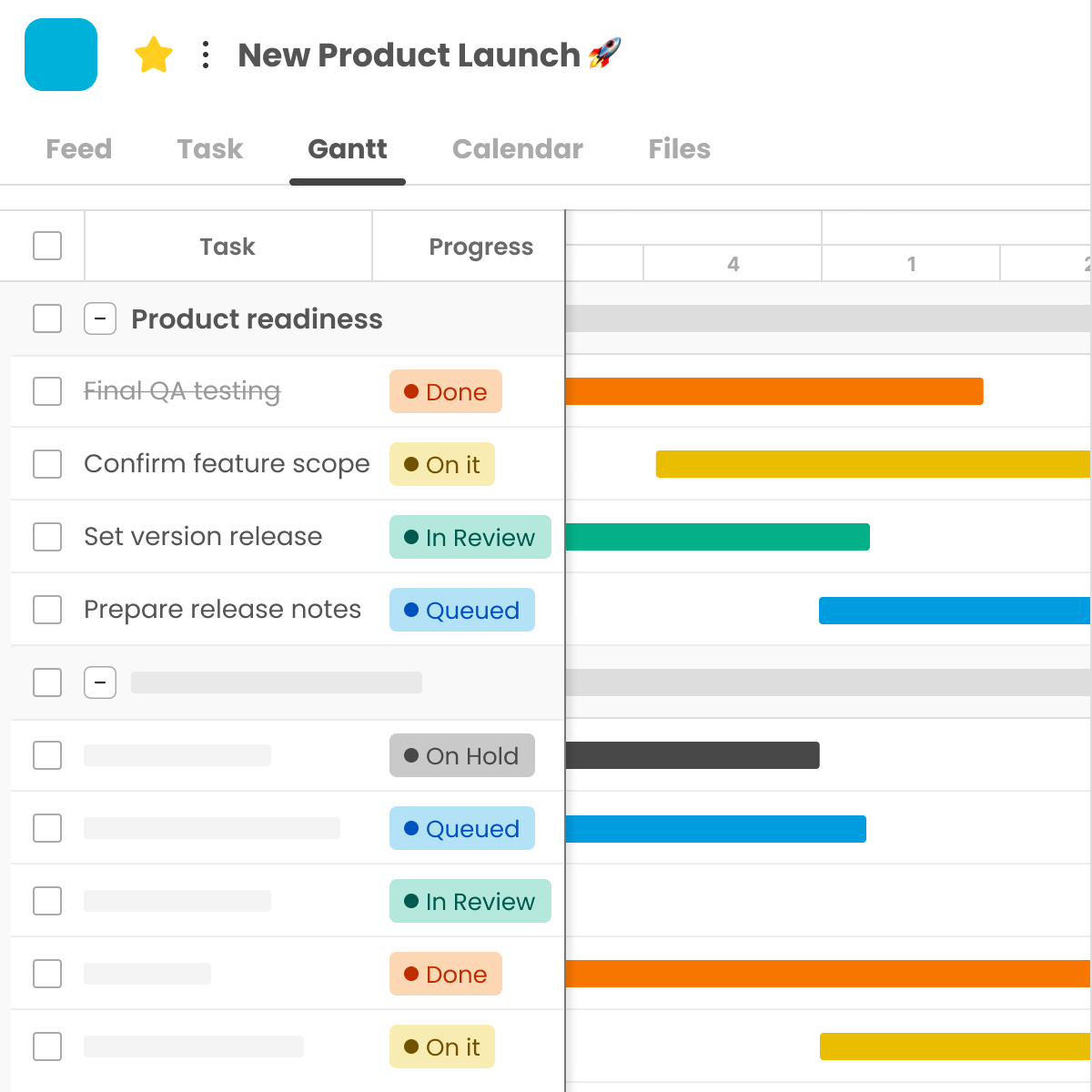
If you find project updates getting lost amidst the avalanche of emails, it’s time to rethink your collaboration strategy. Email does not provide an intuitive way to manage tasks or track progress, which could lead to critical deadlines being missed and tasks falling through the cracks.
Implementing a project management tool that integrates task assignments, deadlines, and progress tracking can significantly enhance efficiency. This way, everyone knows what needs to be done, when, and by whom.
4. Inadequate File Management
Teams dealing with large volumes of attachments can find email storage limits and disorganized attachments a major headache. Finding a specific file often involves trawling through endless threads, if they can be found at all.
Switching to a collaboration tool that offers centralized file storage and easy sharing options can ensure that all team members have access to the necessary documents without the chaos of email attachments.
Consider expanding your toolset with platforms offering robust search capabilities and integrated cloud storage solutions, ensuring seamless access and organization.
5. Poor Integration with Other Tools
Today’s workflows are often dependent on a suite of digital tools and platforms. Email alone lacks the capability to integrate seamlessly with these various technologies, making it a clunky choice for teams relying on multiple applications.
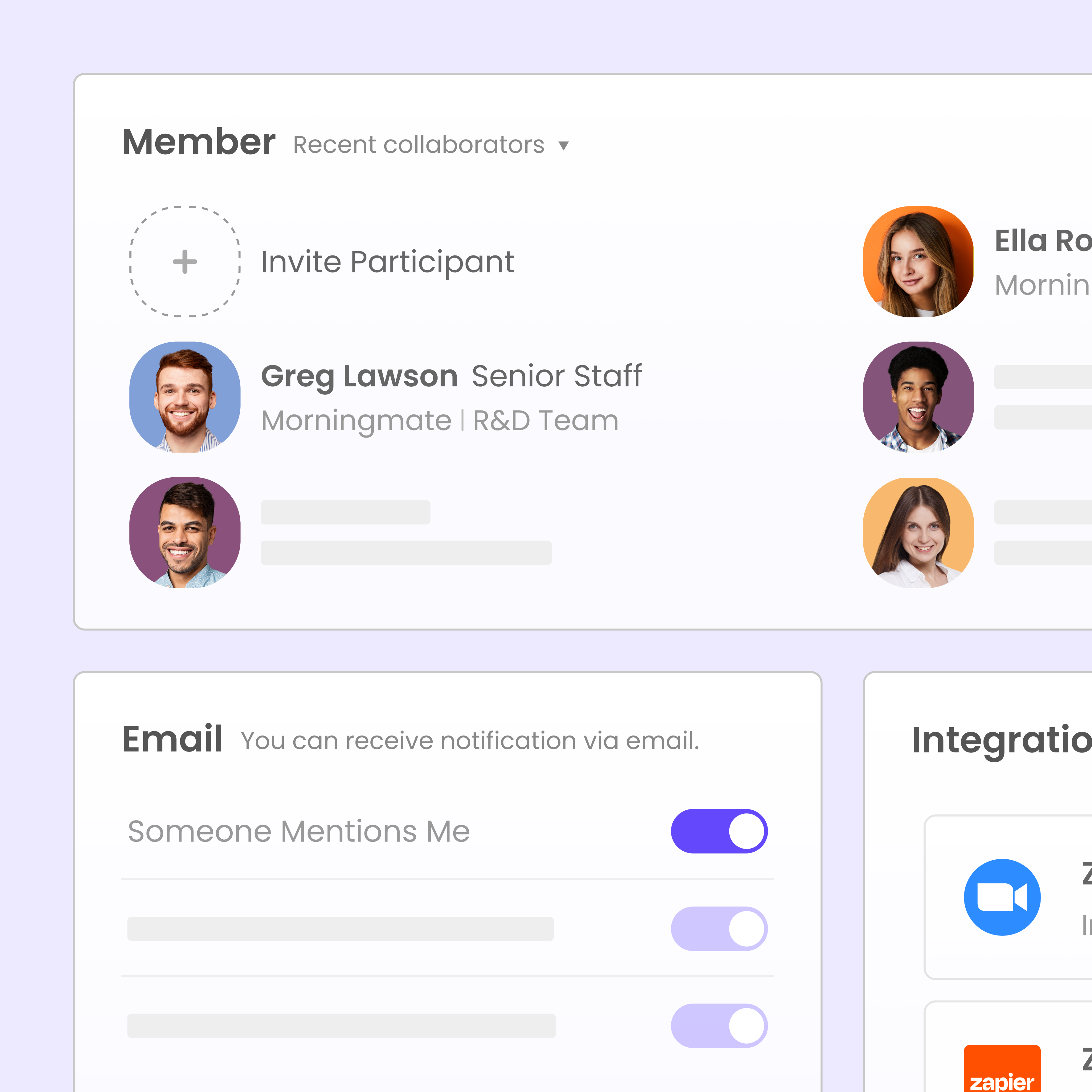
Identify collaboration solutions that integrate with essential software such as calendars, project management tools, and CRM systems. This can streamline workflows and ensure seamless communication across different platforms.
6. Lack of Security and Control
Email is notoriously vulnerable to cyber threats like phishing, spam, and data breaches. For teams dealing with sensitive information, this security concern is a significant drawback. Additionally, once an email is sent, there’s little control over who forwards it or how it’s used.
Transitioning to a collaboration tool with enhanced security measures—such as encryption, access controls, and regular audits—can greatly bolster your team’s data protection efforts. This is especially critical for businesses operating in regulated industries.
7. Frustration with Inefficiency
Frustration with the inefficiencies of email is a clear indication that your team is ready for a change. Teams often complain about difficulty in scheduling meetings, coordinating team activities, or receiving timely updates due to reliance on email.
Consider platforms that offer integrated scheduling and meeting features, ensuring that every participant is on the same page and meetings can be coordinated without the email back-and-forth.
Embrace the Future of Collaboration
The signs are clear: if your team is experiencing any of the above challenges, it’s time to elevate your collaboration tools. Morningmate offers a dynamic platform to help transition away from email, integrating chat, tasks, and files into a cohesive environment.
Investing in a comprehensive collaboration tool isn’t just about solving problems—it’s about future-proofing your team’s communication infrastructure to support growth and innovation.
Is your team ready to leave behind the limitations of email? Explore Morningmate to experience a seamless transformation in how you collaborate.