The healthcare industry operates in a fast-paced, high-stakes environment where effective team communication is crucial. Healthcare workers often face unique challenges, such as handling sensitive patient data, managing time-sensitive information, and collaborating across diverse specializations. In response to these needs, adopting efficient team communication tools has become essential. Such tools provide a platform where healthcare professionals can share information quickly and accurately, leading to better patient outcomes and streamlined operations.
As we head towards 2025, the importance of team communication tools in healthcare continues to grow. These tools bridge the gap between different departments, facilitate remote consultations, and support real-time communication, ensuring that every team member has access to the information they need. This article explores various team communication tools for healthcare workers, discussing their benefits, features, and strategies for effective implementation.
Whether it’s enhancing patient care or improving internal workflows, leveraging the right communication tools can significantly impact the healthcare sector. Let’s delve into the ways these tools can be optimized to ensure they offer maximum benefit to healthcare workers.
The Importance of Team Communication in Healthcare
Effective communication is essential in healthcare to ensure that patient care is coordinated and errors are minimized. Miscommunication or lack of timely information can lead to severe implications, including medical errors, decreased patient satisfaction, and increased operational costs. By implementing robust communication tools, healthcare teams can enhance collaboration, ensure quick response times, and maintain clarity in communication.
These tools also foster a collaborative work environment by allowing seamless information sharing between doctors, nurses, administrative staff, and other healthcare professionals. As a result, they can make informed decisions swiftly, reducing the chances of misdiagnosis or treatment delays.
Key Features of Team Communication Tools for Healthcare Workers
To meet the demands of the healthcare sector, communication tools must include specific features tailored to the environment’s unique requirements. Here are some key features that make these tools indispensable:
Secure Messaging
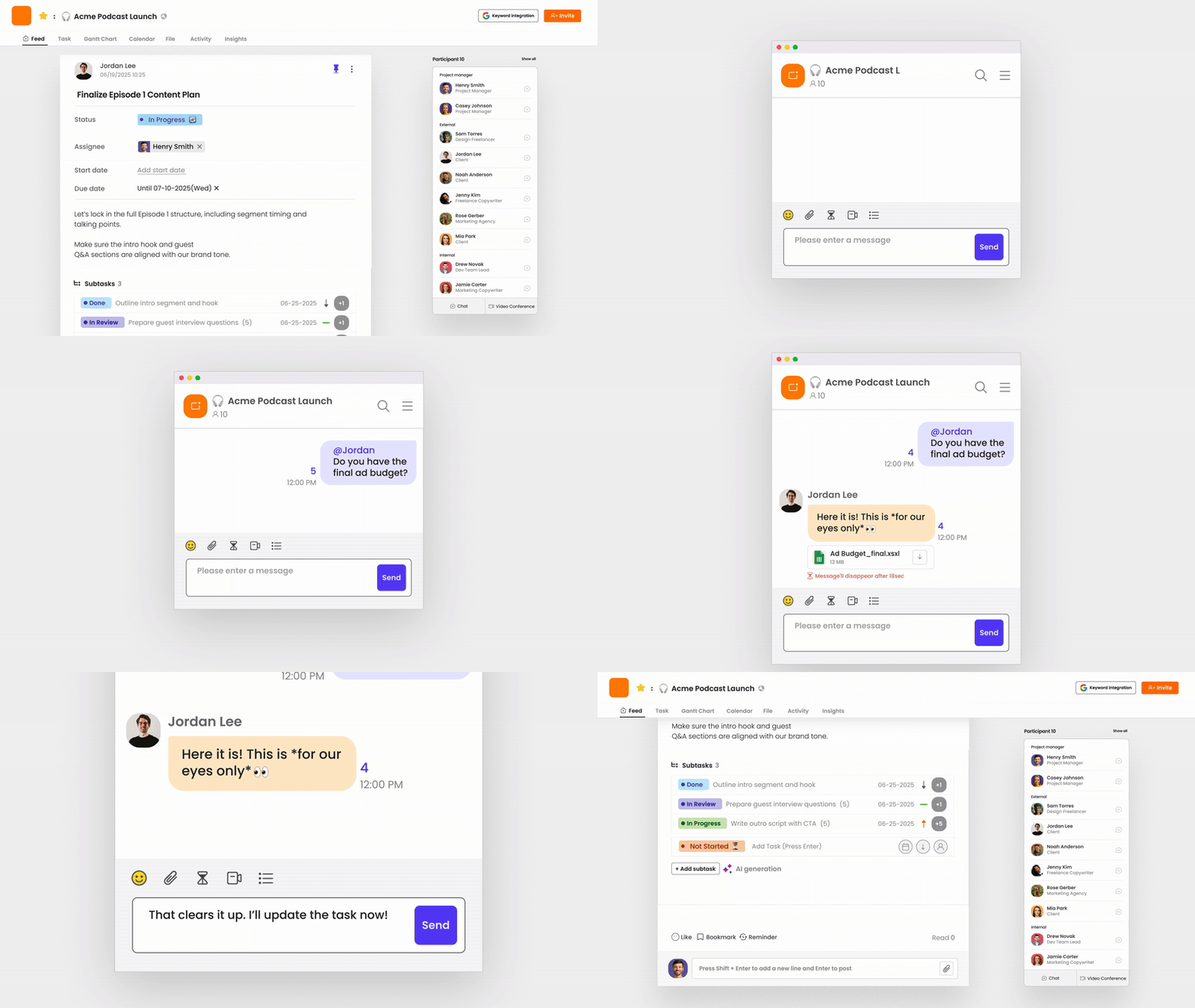
Security is paramount in healthcare, where handling sensitive patient data is a daily task. Tools offering end-to-end encryption and secure login protocols ensure that information remains confidential. Secure messaging allows professionals to exchange information without the risk of unauthorized access.
Real-Time Collaboration
In critical situations, healthcare teams need to act fast. Real-time collaboration features such as instant messaging, group chats, and video conferencing allow seamless interaction among team members. These features enable quick consultations, immediate feedback, and faster decision-making.
Integration with Existing Systems
Healthcare facilities often use a variety of software systems, including electronic health records (EHRs), patient management solutions, and scheduling tools. Communication tools that integrate with existing systems streamline workflows and make information more accessible, reducing the need for duplicate data entry.
User-Friendly Interface
Healthcare workers need tools that are intuitive and easy to use. A user-friendly interface ensures that all staff members, regardless of their technological proficiency, can effectively use the communication system. Simplifying user experience helps in reducing training time and increasing adoption rates.
Popular Team Communication Tools for Healthcare Workers
Numerous tools are specifically designed to enhance team communication in the healthcare sector. Below are some widely adopted solutions that have shown significant impact:
Microsoft Teams
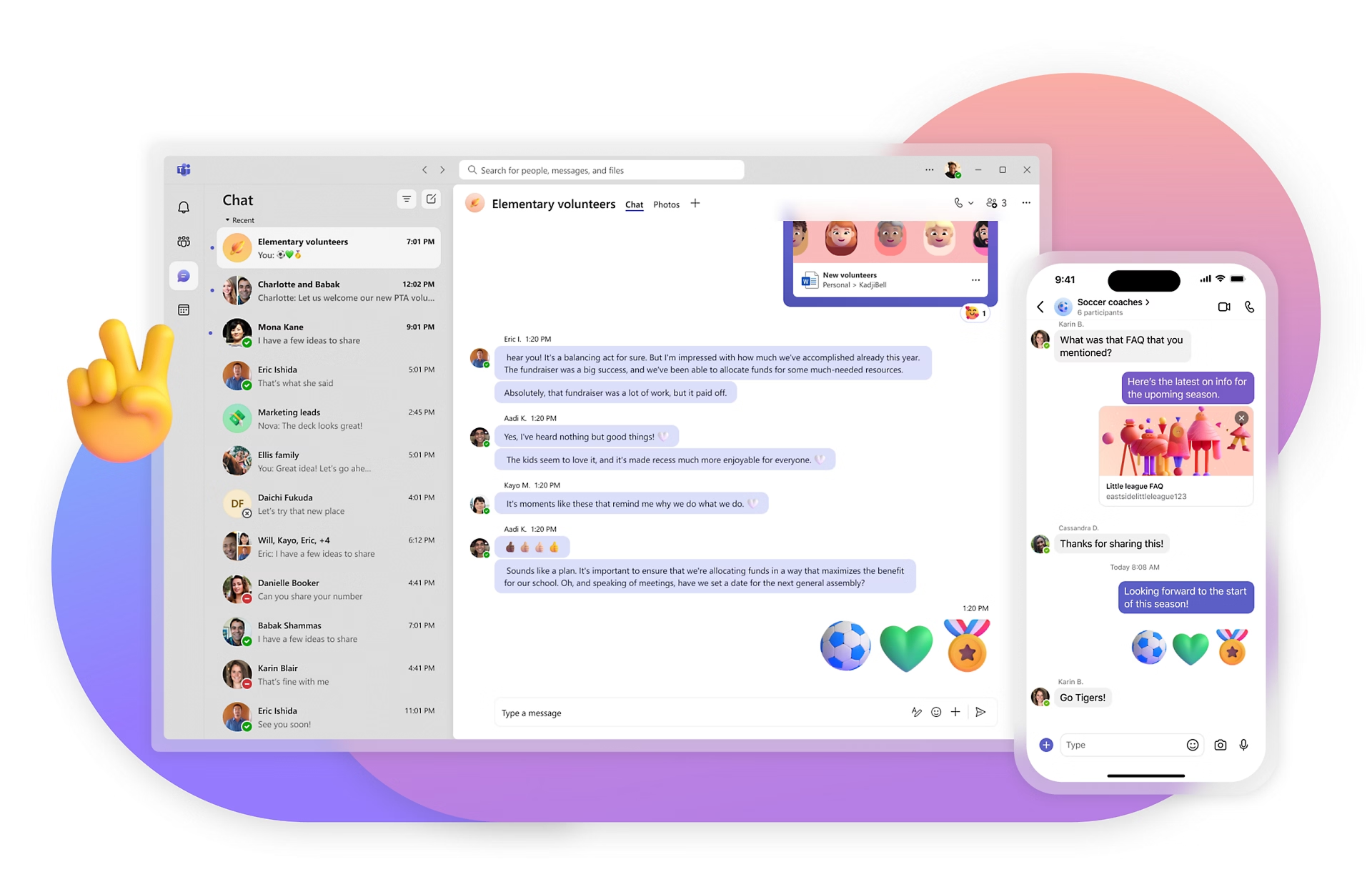
Microsoft Teams offers a comprehensive platform for collaboration, including chat, video meetings, and file storage capabilities. Healthcare organizations frequently use it due to its ability to integrate seamlessly with Microsoft’s suite of applications, providing a unified working environment.
Slack
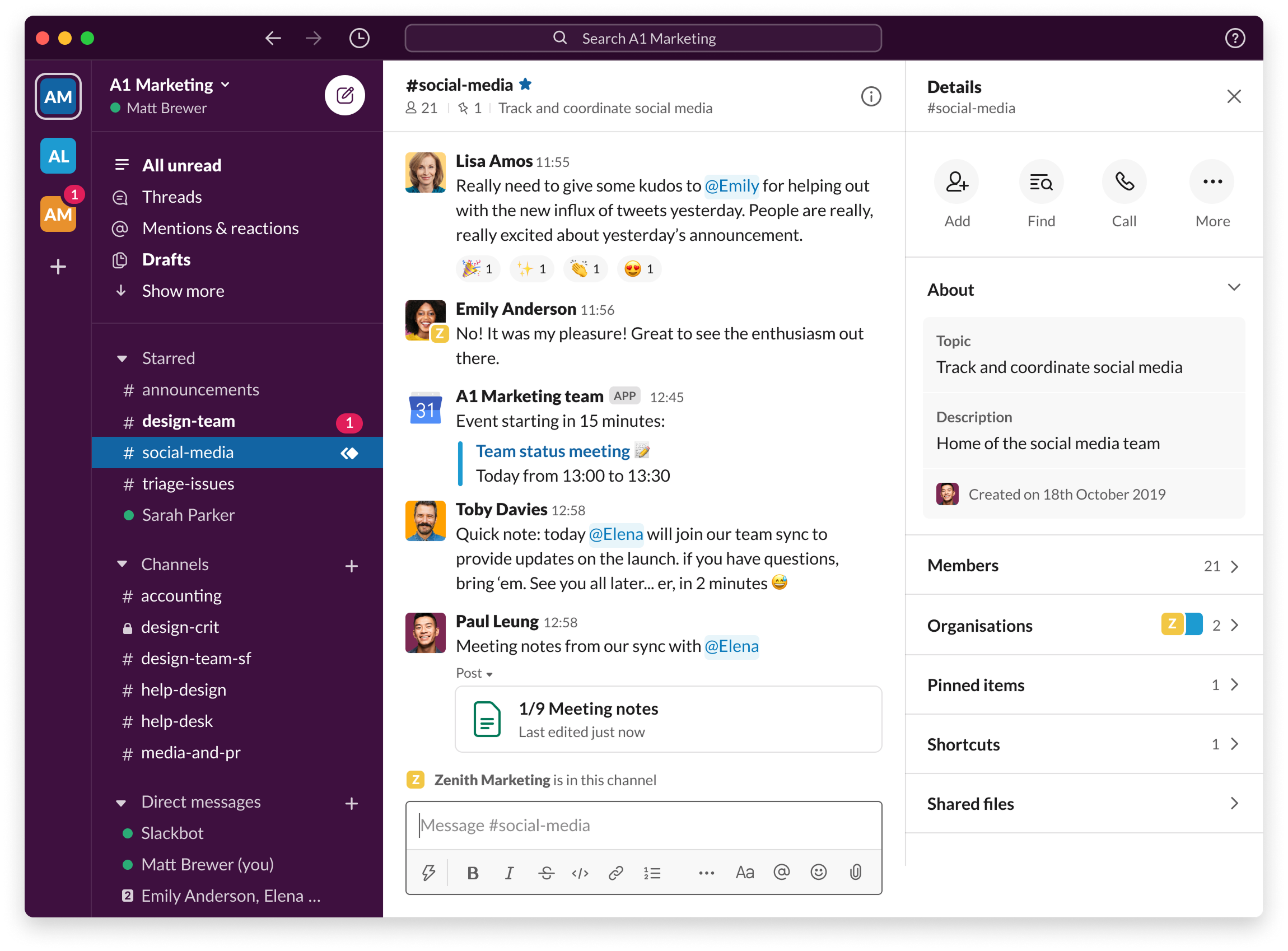
Slack provides a flexible platform supporting text, audio, and video communication. Its channel-based structure allows healthcare workers to organize conversations by department or project, promoting focused discussions and improving team coordination.
Zoom
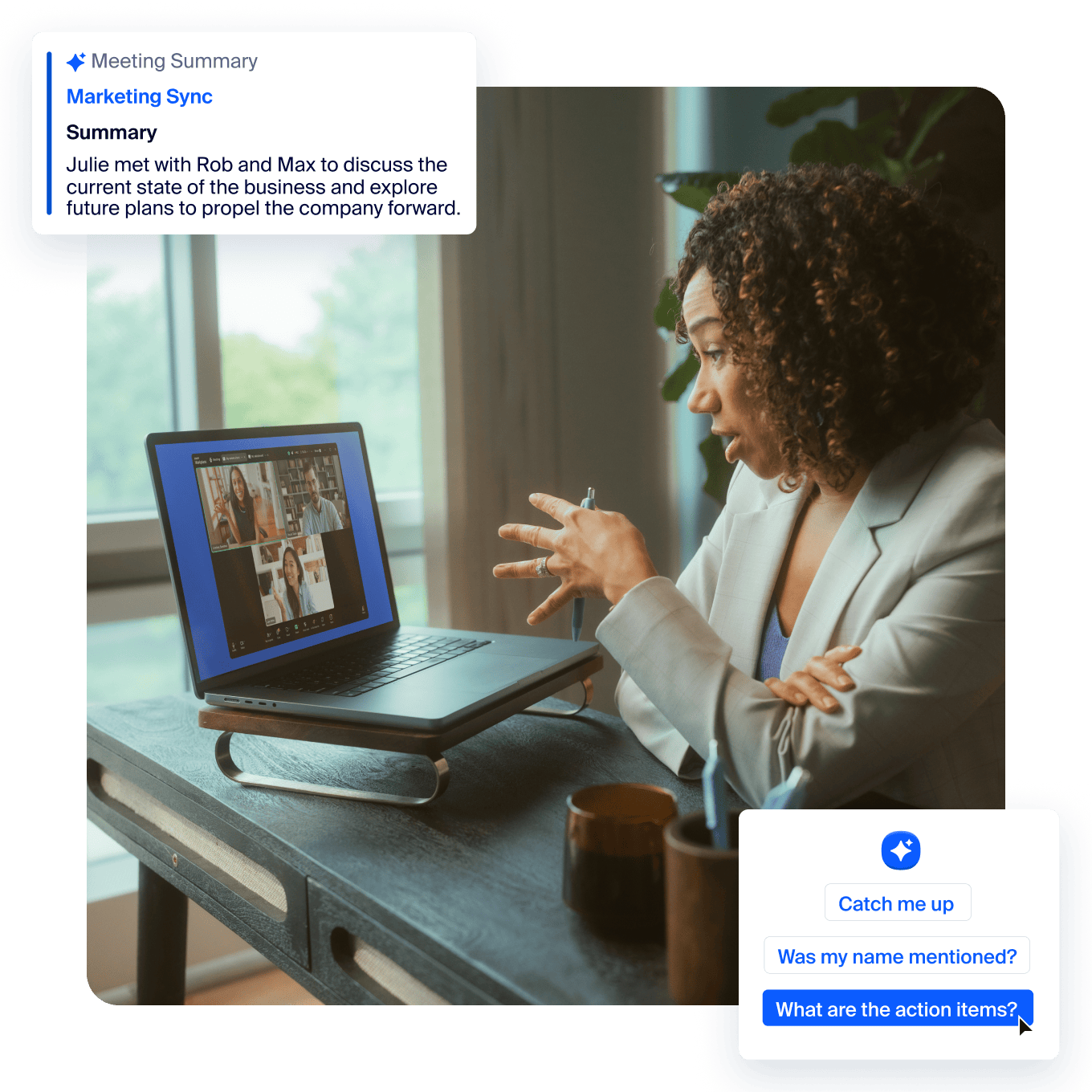
Used widely for telemedicine, Zoom supports high-quality video and audio conferencing. Its easy-to-use interface and reliable connectivity make it a favorite for conducting remote patient consultations and internal team meetings.
Morningmate
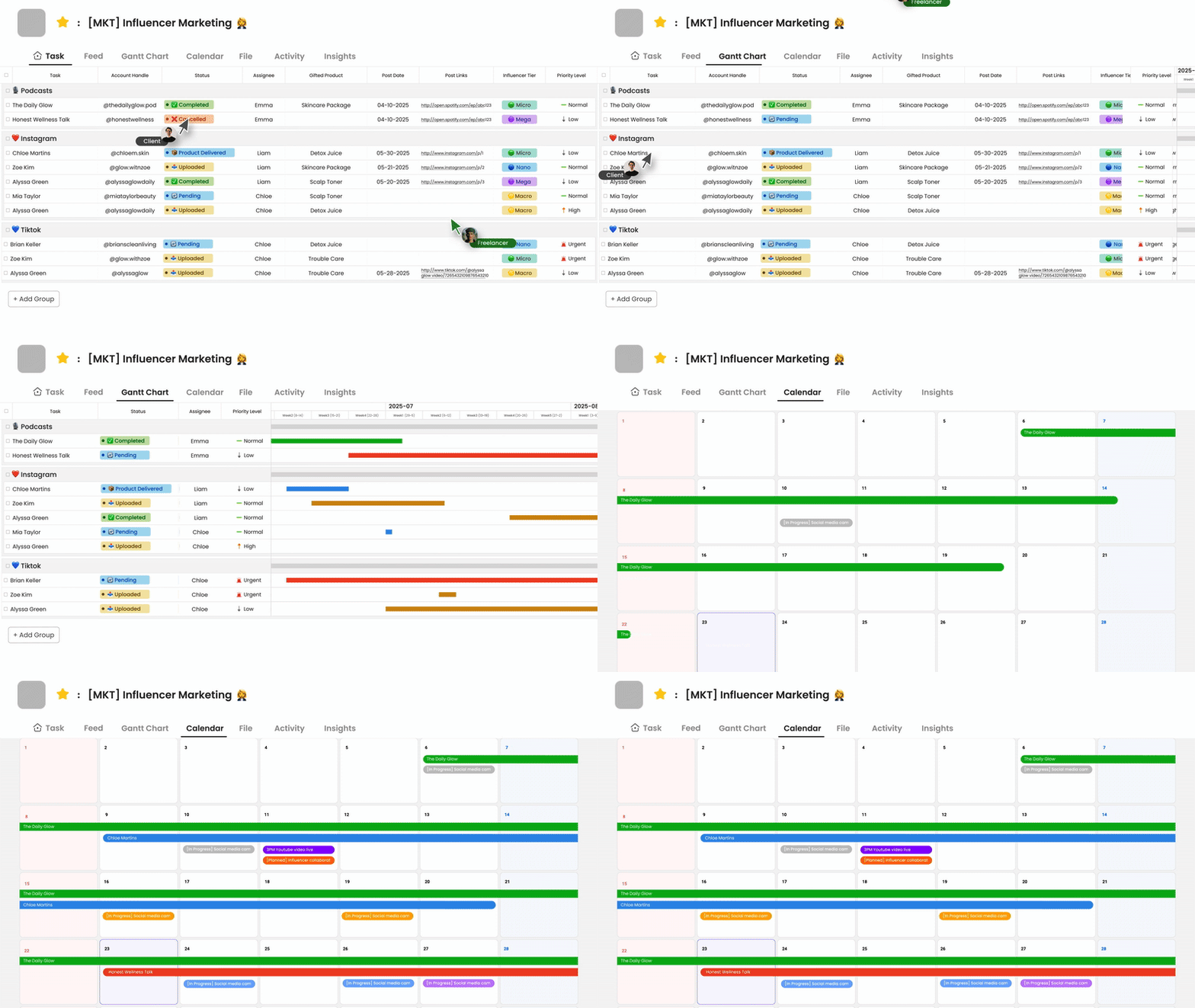
Morningmate is another tool that emphasizes collaborative work environments. It provides features for task management, document sharing, and synchronous communication, which are essential for healthcare teams to coordinate complex workflows effectively.
Steps to Implementing Communication Tools in Healthcare
Successfully integrating communication tools into a healthcare setting requires a strategic approach. Here are key steps to ensure a smooth implementation:
Conduct a Needs Assessment
Evaluate the specific communication challenges within your organization. Identify areas where current practices are lacking and consider how a new tool can address these gaps. This assessment should involve feedback from staff across different departments to understand diverse needs.
Select the Right Tool
Choose a tool that aligns with your organization’s requirements. Consider factors such as cost, ease of use, scalability, and integration capabilities with existing systems. Conduct trials with potential tools to observe their functionality in real-time scenarios.
Provide Training and Support
Ensure that all staff members receive comprehensive training on how to use the new communication tool. Provide ongoing support to address any technical issues or questions that may arise. Encouraging an environment of continuous learning will help maximize the tool’s benefits.
Monitor and Evaluate Performance
Regularly evaluate the impact of the communication tool on your organization. Gather feedback from users and track metrics such as response times, collaboration efficiency, and error reduction. Use this information to make necessary adjustments and improvements.
Challenges in Implementing Team Communication Tools
Despite their benefits, implementing team communication tools in healthcare organizations can present challenges. Overcoming these obstacles is crucial to ensure successful adoption and utilization of the tools.
Resistance to Change
Healthcare staff may be resistant to adopting new technologies, particularly if they are accustomed to existing processes. Overcoming this resistance involves demonstrating the tool’s value and providing incentives for adoption.
Data Security Concerns
Protecting patient data from breaches is a top priority for healthcare organizations. Ensuring that communication tools comply with regulations such as HIPAA is essential to maintain data privacy and security.
Integration Issues
Seamless integration with existing healthcare systems can be complex. Addressing technical compatibility issues and ensuring consistent data flow between systems are necessary for effective implementation.
The Future of Team Communication Tools in Healthcare
Looking to 2025, the future of team communication tools in healthcare appears promising. Advances in technology continue to reshape how healthcare professionals interact and manage patient care.
Emerging trends such as artificial intelligence, machine learning, and telemedicine are expected to converge with communication tools, offering enhanced predictive analytics and personalized communication options. These advances will further streamline operations, enabling more efficient care delivery.
In conclusion, team communication tools play a vital role in the healthcare industry. By facilitating efficient, secure, and collaborative communication, these tools improve patient care, optimize workflows, and prepare healthcare organizations to meet future challenges. Embracing these technologies ensures that healthcare providers are better equipped to deliver high-quality services in the coming years.