In the diverse world of project management, the Gantt chart stands as a critical tool to visualize every project stage effortlessly. While basic Gantt charts are effective for plotting timelines, diving deeper into their real-world applications can transform your workflow efficiency. This tutorial explores beyond the basics, offering insights and real-world examples designed to enhance your project management strategies and drive successful outcomes.
Knowing how to leverage Gantt charts can be a game-changer. Whether you’re coordinating a small team or overseeing a large-scale project, understanding the advanced applications of Gantt charts can lead to more effective planning, improved resource allocation, and better communication within your team. By the end of this article, you’ll be equipped with the knowledge to implement these advanced techniques in your organization.
For readers new and experienced alike, this guide will provide valuable tips and frameworks to elevate your project management skills. Let’s delve into how Gantt charts can be used effectively in real-world scenarios across various industries.
Understanding the Basics of Gantt Charts
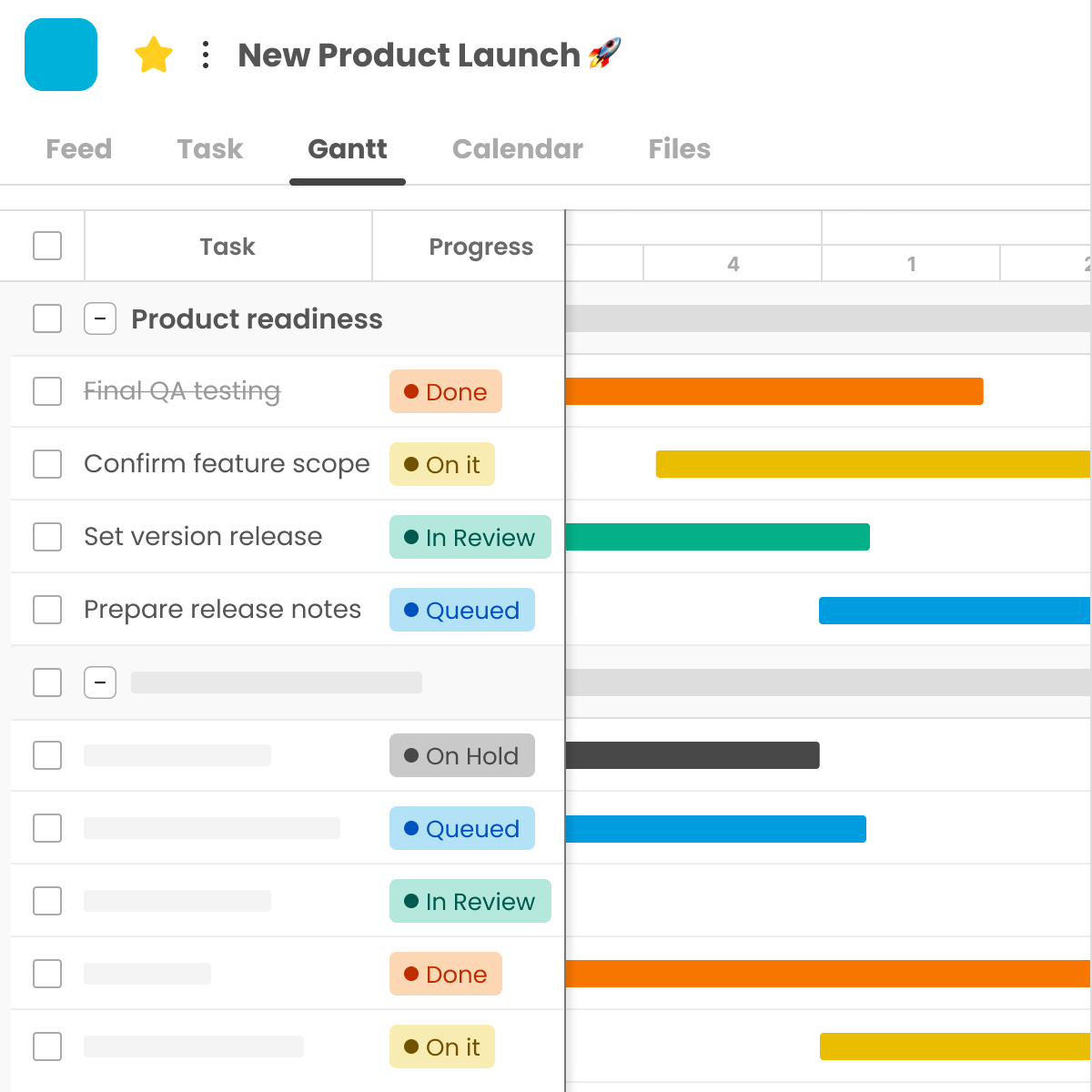
Before diving into advanced applications, it’s essential to have a firm grasp of what Gantt charts are and how they function at a basic level. A Gantt chart is a type of bar chart that represents a project timeline, making it easier to monitor project progress. Each bar indicates a task, its duration, and its start and end dates as they relate to the overall project timeline.
Basically, the horizontal axis of a Gantt chart reflects the time span, while the vertical axis lists the project tasks. As the project progresses, tasks can shift, be added, or change, and the Gantt chart should be flexible enough to track these variations while maintaining a clear overview.
Gantt charts are indispensable for project managers as they allow stakeholders to follow task sequences and dependencies clearly. They offer a visual summary of where the project stands and help prevent scope creep by making deadlines more apparent.
Real-World Applications of Gantt Charts
Gantt charts find use in numerous sectors including construction, IT, marketing, and education, among others. Their value lies in their flexibility and ability to adapt across different workflows and project scales. Let’s examine some specific industry uses and the unique challenges each presents.
Gantt Charts in Construction Projects
In the construction industry, Gantt charts help manage timelines for multi-phase projects, ensuring efficiency and timely completion. By visualizing the interdependence of tasks—such as permits, land development, and equipment leasing—project managers can optimize resource allocation and minimize delays.
Consider a residential development project. The Gantt chart would include tasks such as site preparation, foundation laying, framing, and finishing, each with dependent tasks that are triggered by the predecessor’s completion. Tracking progress in this manner provides a clear picture of project health and budget adherence.
Enhancing IT Development with Gantt Charts
For software development teams, Gantt charts are vital for planning sprints, managing feature releases, and tracking bug fixes. They allow teams to sequence tasks based on dependencies, ensuring development stages are completed in the correct order.
In agile project management, where flexibility and iterative development are paramount, Gantt charts can help visualize milestone targets and assess whether project adjustments might be necessary. This proves especially useful when anticipating staffing needs or slotting new development tasks.
Leveraging Gantt Charts in Marketing Campaigns
Marketing professionals utilize Gantt charts to coordinate and time the launch of complex campaigns, ensuring synchronization across various channels. By mapping out timelines for content creation, promotions, and post-campaign analysis, marketers can achieve a cohesive strategy.
For example, a product launch might include tasks for social media promotions, press releases, email marketing, and in-person events all plotted on a Gantt chart. Such detailed planning aids in resource mapping and aligning team responsibilities.
The Benefits of Using Advanced Gantt Chart Features
Advanced Gantt chart features, such as critical path analysis, custom views, and resource levelling, enhance the utility of these charts. By shifting from simple task tracking to comprehensive project management tools, you can significantly improve project output quality.
Critical path analysis helps identify the longest stretch of dependent activities and highlights where delays might jeopardize project delivery. Custom views allow project managers to tailor Gantt charts to focus on different aspects of the project, such as cost breakdowns or resource allocation.
Additionally, resource levelling ensures workload is balanced across the team, preventing burnout and ensuring consistent productivity. These tools provide deeper insights into project health and aid in anticipating and mitigating potential roadblocks.
Morningmate offers functionalities that integrate these advanced features seamlessly into your collaboration tasks, ensuring that teams maintain alignment and focus throughout the project lifecycle.
Steps for Implementing Advanced Gantt Chart Techniques
Implementing advanced Gantt chart techniques requires a structured approach to ensure effectiveness and clarity. Follow these steps to start integrating these strategies into your project management processes:
- Identify Key Milestones: Define the critical phases of your project that must be met on time to achieve success.
- Map Task Dependencies: Determine which tasks rely on the completion of others and arrange them accordingly.
- Optimize Resource Allocation: Use resource levelling to adjust workloads and avoid overburdening team members.
- Apply Critical Path Analysis: Focus on tasks within your critical path to manage risks effectively.
- Utilize Advanced Software Features: Choose tools that support interactive and customizable Gantt charts.
By following these steps, project managers can harness the full potential of Gantt charts, resulting in a more transparent, predictable, and successful project outcome.
Conclusion: Elevating Your Project Management with Gantt Charts
The versatility and clarity offered by advanced Gantt charts are invaluable to any project manager aiming for excellence in execution. By understanding and implementing these advanced techniques, you set the foundation for a more organized and communicative environment.
Incorporating Gantt charts into your project management protocol doesn’t just facilitate better planning; it fosters a culture of accountability and teamwork. Take the next step in your project management journey and explore how Morningmate can integrate with your current toolkit, offering enhanced collaboration and seamless execution.