
Running effective one-on-one meetings with your team is essential for fostering communication, solving challenges, and aligning goals within an organization. These meetings are not just for evaluations; they’re an opportunity for feedback, coaching, and establishing deeper relationships between managers and their team members. Such meetings are more crucial than ever as organizations navigate the fast-paced, remote-friendly work environments of 2026. By implementing thoughtful approaches and strategies, you can ensure that one-on-one meetings are impactful and rewarding for both parties involved.
In recent years, emphasis on personalized communication has driven changes in how teams operate, and one-on-one meetings have emerged as a cornerstone of effective team management. When approached correctly, these meetings help build trust, resolve conflicts, and align personal career aspirations with the company’s objectives. This article covers strategic approaches and practical insights for conducting successful one-on-one meetings with your team.
Below, we’ll delve into how to plan, execute, and follow up on one-on-one meetings, providing your team with the tools they need to succeed and grow. From pre-meeting preparation to post-meeting actions, every step is crucial for ensuring that these interactions offer value and foster a supportive work environment.
The Importance of One-on-One Meetings
One-on-one meetings are integral for maintaining open lines of communication within a team. They offer managers the opportunity to get to know their team members beyond their day-to-day duties and provide a dedicated space for discussing personal challenges and professional development. These interactions lead to improved morale, increased productivity, and strengthened relationships.
When conducted effectively, one-on-one meetings allow managers to identify issues before they escalate, offering timely interventions and support. They can also serve as a platform for recognizing achievements, motivating team members, and aligning organizational goals with individual performance. In a landscape increasingly populated by remote teams, regular check-ins help maintain team cohesion and drive long-term success.
Preparation: Setting the Stage for Success
Preparation is key to running effective one-on-one meetings with your team. Start by determining the frequency of these meetings. Weekly or bi-weekly sessions often work well, as they provide consistent touchpoints for feedback and development. Additionally, finding a quiet, distraction-free environment is crucial, especially for remote teams where virtual meetings are the norm.
Prior to the meeting, outline a clear agenda to guide the conversation. Including points such as recent achievements, ongoing projects, and potential roadblocks ensures that the meeting remains productive and covers all necessary topics. Encourage team members to contribute to the agenda by asking them to identify areas they would like to discuss.
Agenda Setting Tips
An effective agenda reflects both the manager’s objectives and the team member’s concerns. Consider using the following template:
- Review of previous meeting action items
- Achievements and recognition
- Current project updates and challenges
- Feedback on management and team dynamics
- Personal development and future goals
- Open floor for additional topics
This structured agenda ensures that meetings stay focused and meaningful, addressing both immediate and long-term topics.
Conducting the Meeting: Effective Communication Strategies
During the meeting, foster a conversational atmosphere that encourages honest dialogue. This can be achieved by practicing active listening and showing empathy. Approach the meeting with genuine curiosity about the team member’s experiences and perspectives.
It is crucial to balance the discussion between personal development and organizational objectives. Ask open-ended questions that invite team members to share their thoughts and ideas. Showing interest in their work and personal growth fosters a collaborative relationship.
Active Listening Techniques
Effective communication hinges on the ability to listen actively. Here are some techniques to enhance your listening skills during one-on-one meetings:
- Maintain eye contact to show engagement.
- Nod and make small verbal acknowledgments.
- Summarize or paraphrase what the speaker has said to confirm understanding.
- Avoid interrupting and allow pauses for contemplation.
By incorporating these techniques, you can demonstrate that you value your team member’s input, laying the groundwork for a trusting and open relationship.
Leveraging Technology for Effective Meetings
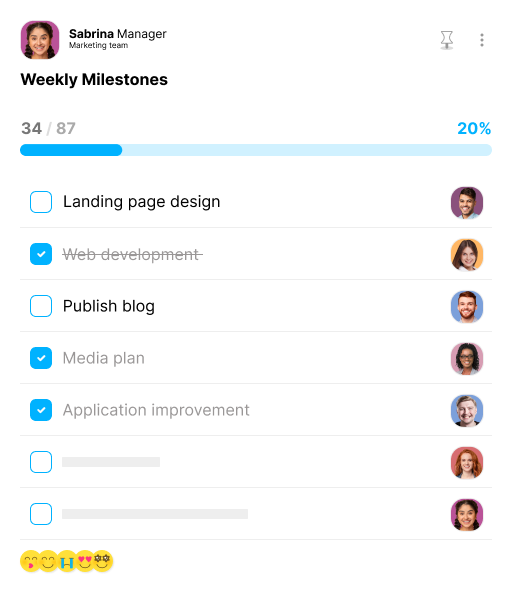
Incorporating tools like Morningmate can enhance communication efficiency. Such tools offer platforms for collaborative agenda creation, note-sharing, and follow-up reminders, ensuring everyone stays aligned and accountable. With the rise of remote work, seamlessly integrated technology solutions simplify meeting logistics.
Follow-up: Ensuring Accountability and Progress
The effectiveness of one-on-one meetings hinges not only on the conversation itself but also on the subsequent actions taken. Post-meeting, it’s important to review and document action items. Following up on these items in the next meeting demonstrates commitment to growth and development.
Send a summary email to your team member, outlining key discussions, decisions made, and action points. This ensures clarity and provides a reference point for both parties as they work on the agreed tasks. Acknowledge progress in the following meetings and adjust objectives as necessary.
Creating a Growth-Oriented Feedback Loop
Establishing a feedback loop that encourages open communication is essential for team development. Invite feedback on your management style and the effectiveness of the meetings themselves. Be receptive to suggestions and implement changes that can enhance the meeting process and outcomes.
This reflective practice boosts engagement and encourages a culture of continuous improvement, benefiting both individual team members and the organization as a whole.
Challenges and Solutions
Implementing effective one-on-one meetings with your team can present challenges, especially when managing diverse teams across various locations. Common obstacles include time zone differences, scheduling conflicts, and balancing personal and professional discussions. Addressing these challenges with strategic solutions can ensure that meetings remain productive and inclusive.
Overcoming Scheduling Conflicts
Flexibility is key when dealing with scheduling issues. Use shared calendar tools to identify mutually convenient times and consider alternating meeting slots to accommodate different time zones. Make use of asynchronous communication for updates that can be handled outside the one-on-one setting, freeing up meeting time for more pressing discussions.
Navigating Cultural and Personal Differences
Understanding and respecting cultural and personal diversity enhances meeting effectiveness. Adapt communication styles to suit individual preferences and remain sensitive to diverse perspectives and experiences. Creating an inclusive, respectful environment helps all team members feel valued and understood.
By proactively addressing these challenges, one-on-one meetings can serve as a powerful tool for fostering productive and cohesive teams in 2026 and beyond.