In today’s fast-paced business environment, one would expect technology to bridge every gap, offering seamless efficiency and clarity. Yet, an interesting conundrum persists: managers continuously request manual updates from their teams. This visibility gap in work management is puzzling, especially with the myriad of digital tools available. Understanding why this occurs and finding solutions are crucial for enhancing operational transparency.
Manual updates, though time-consuming, persist because of several nuanced reasons. These range from inadequate integration of software solutions to a lack of trust in automated reports. Managers need reliable, real-time insights into project progress, task completion, and potential bottlenecks. Bridging this visibility gap is essential for boosting productivity and maintaining a competitive edge in the market.
Understanding the Visibility Gap
The visibility gap arises when there’s a disconnect between the data captured by work management tools and the information managers receive. This often results in managers feeling compelled to request manual updates to verify or supplement the digital reports. Factors like software complexity, misaligned metrics, and poor user engagement underpin this issue, making automated systems underutilized.
Moreover, teams might be using tools that lack the customization needed to reflect their specific workflow. Such mismatches lead to incomplete data being reported automatically, compelling managers to step in for manual verification. Ensuring the right fit between tools and processes is essential for closing this gap.
Challenges in Automating Updates
Automation promises a streamlined reporting process, yet practical challenges often hinder its full potential. Here are some of the main hurdles:
- Lack of standardized processes across departments.
- Inadequate training in utilizing software tools effectively.
- Resistance to change due to established manual practices.
- Technical limitations of incumbent software systems.
Addressing these issues requires a dual approach: refining the technology platform and fostering a culture receptive to change. It is crucial to ensure everyone is on the same page regarding new procedures and tools.
Strategies to Close the Visibility Gap
Implementing strategies to minimize the visibility gap begins with recognizing the specific needs and challenges faced by managers and teams. Here are actionable steps to consider:
- Conduct Needs Assessment: Identify the primary reasons for manual updates in your organization. Understand what specific information managers seek and where automated reports fall short.
- Tool Optimization: Evaluate current tools and their configurations. Make necessary adjustments to improve synchronization with company workflows.
- Training: Offer comprehensive training programs for employees to better understand and use digital tools effectively.
- Feedback Mechanism: Establish channels for continuous feedback to refine and adapt digital solutions to meet evolving needs.
By addressing these aspects, businesses can significantly reduce reliance on manual updates and enhance data integrity and visibility throughout their operations.
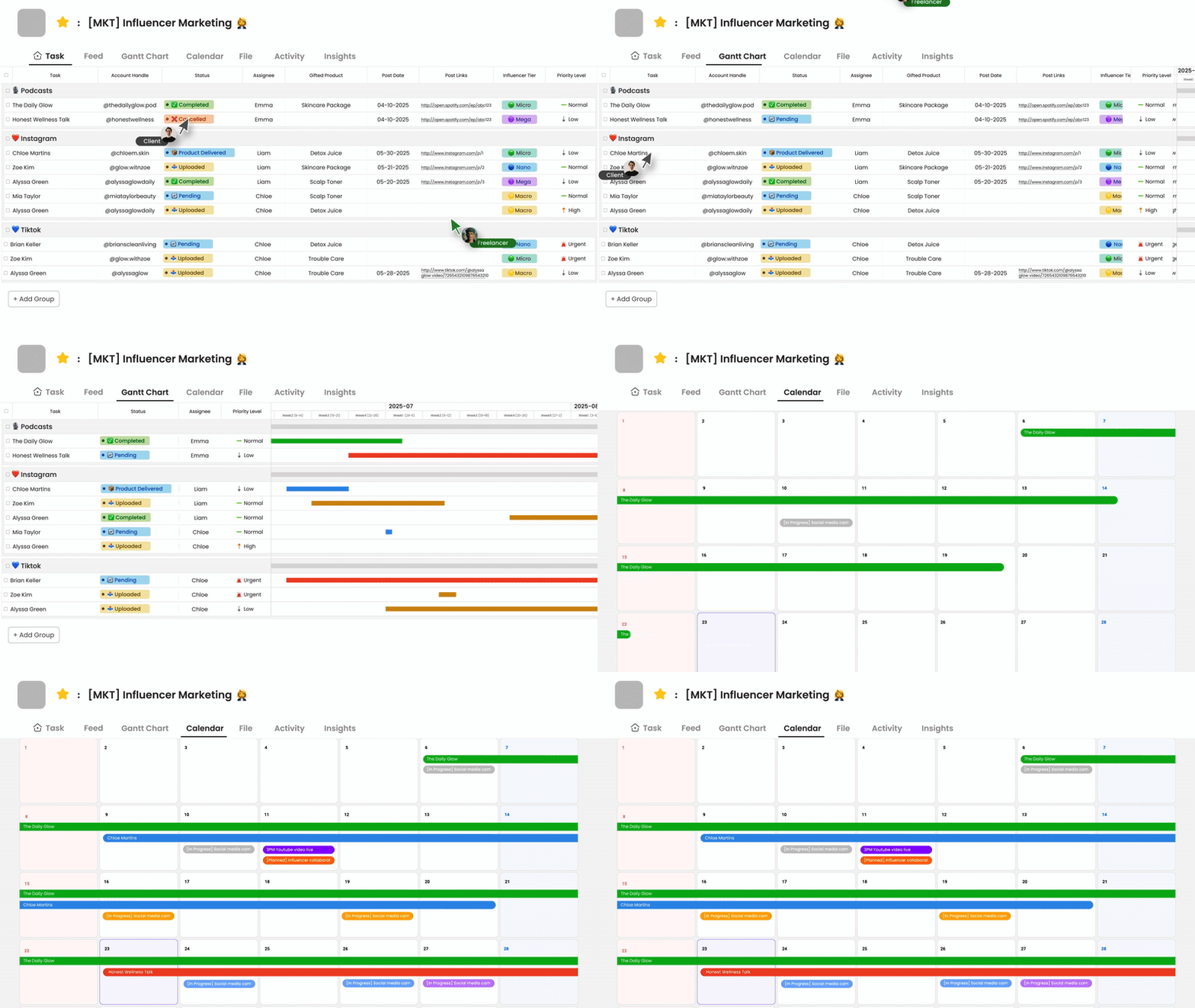
Consider exploring tools like Morningmate, which offer robust project management features tailored to streamline updates and provide clear insights to managers.
Leveraging Technology for Better Insights
Integrating state-of-the-art technology can initially seem daunting but brings substantial rewards. Choosing software that integrates seamlessly with existing processes while offering flexibility is crucial. Modern SaaS tools can facilitate real-time data updates, reducing the need for manual intervention.
Ensure that the chosen platform provides user-friendly dashboards and in-depth analytics, offering comprehensive visibility into project statuses. Effective utilization of such technology ensures data-driven decisions, enhancing overall performance.
Future of Work Management: Strengthening Trust
As we approach 2026, the future of work management hinges on building trust in digital systems. Managers prefer manual updates often because of skepticism surrounding data reliability. Strengthening trust involves ensuring data accuracy, fostering transparency, and demonstrating evident value in available insights.
Empowering teams with autonomy and accountability in their tasks can gradually shift the reliance from manual to automated updates. Encourage a culture where data-driven insights guide decision-making processes. This cultural shift, coupled with technology, can close the visibility gap effectively.
In summary, while the visibility gap poses a significant challenge, it also offers an opportunity to refine work management practices. Embracing change, optimizing digital tools, and nurturing a culture of trust are pivotal strategies. Discover how tools like Morningmate can enhance workflow transparency and reduce the need for manual updates.
In conclusion, addressing the visibility gap by leveraging technology not only enhances efficiency but also positions organizations for long-term success. Start your journey today with Morningmate to witness transformative improvements in your operational workflow.