Most meetings don’t start because something important needs to be discussed. They start because no one is quite sure what’s going on. So a meeting gets scheduled—to get updates, clarify ownership, or “make sure everyone is aligned.” And for a moment, it works. Everyone leaves with a clearer picture. But a few days later, the same questions come back.
Instead of moving work forward, meetings often become a way to compensate for missing structure. They fill the gaps—but they don’t actually fix them. For teams trying to move quickly, this creates a pattern: more work leads to more coordination, and more coordination leads to more meetings. The good news is, it doesn’t have to be that way.
With the right tools and a few changes in how work is organized, teams can stay aligned, keep projects moving, and reduce their reliance on constant check-ins. In this article, we’ll explore practical ways to keep projects on track—without defaulting to another meeting.
The Downside of Meeting Overload
It’s no secret that meetings, while sometimes necessary, often hinder productivity. Consider the time and resources spent preparing for and participating in meetings that could otherwise be directed towards completing actual project tasks. Here are a few drawbacks of meeting overload:
- Interruptions in workflow and concentration
- Duplication of information
- Potential for decision fatigue
To counter these issues, companies must rethink their communication strategies and explore alternatives that align with modern work dynamics.
Harnessing Technology for Better Communication
Technology is a powerful ally in reducing reliance on meetings. By choosing the right tools, you can facilitate seamless communication and collaboration without needing to bring everyone together in a room or on a video call.
Implementing Effective Project Management Tools
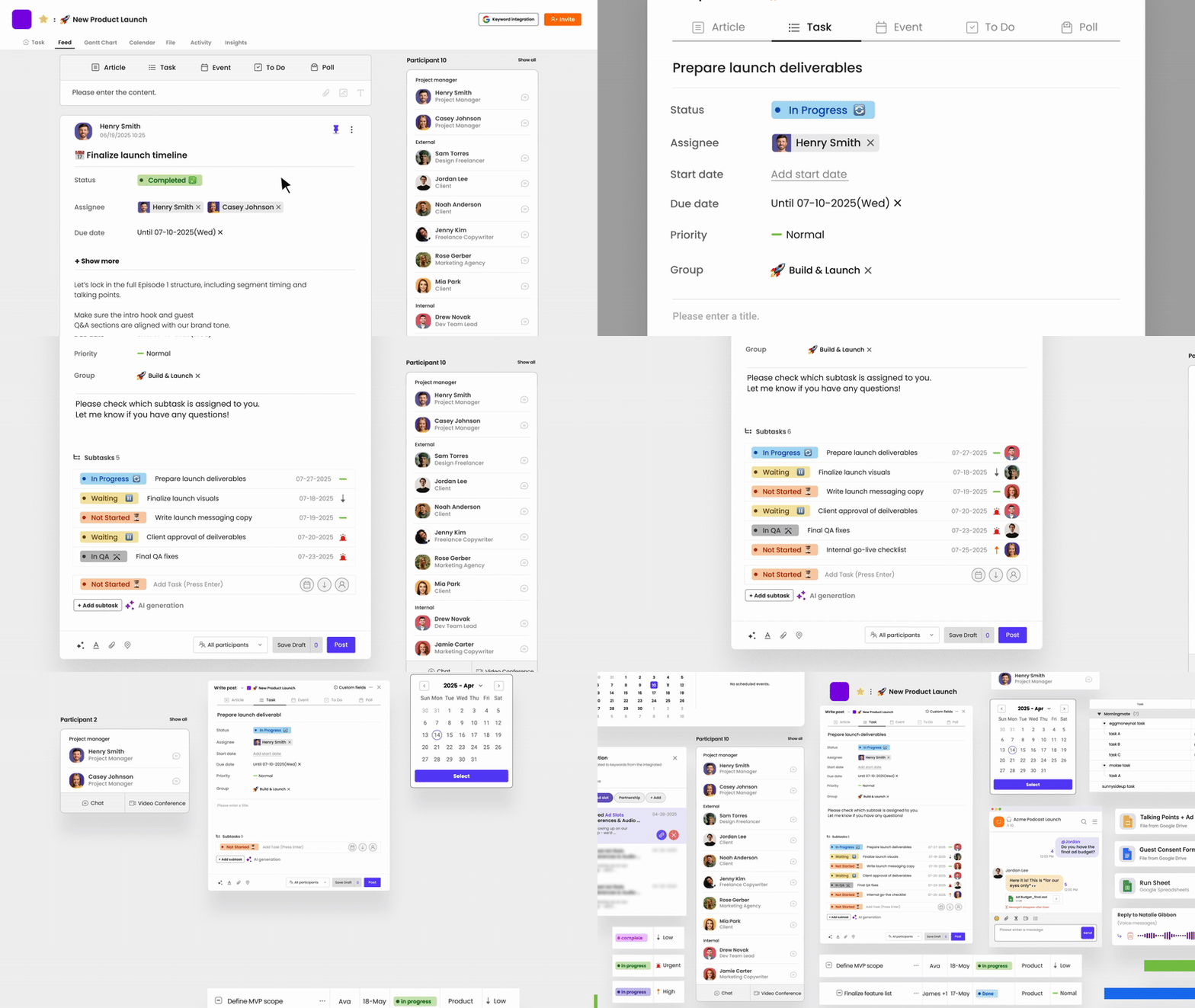
Robust project management tools are crucial for keeping projects on track. Tools like Morningmate provide an integrated platform for task management, deadline tracking, and team communication, making it easier to manage projects without frequent meetings.
By centralizing information and offering features like real-time updates and document sharing, these tools ensure that all team members are aligned and informed, allowing them to proceed with their tasks without needing constant check-ins.
Asynchronous Communication Channels
Adopting asynchronous communication can significantly reduce the need for meetings. Platforms that support messaging and file sharing, such as Slack or Microsoft Teams, enable team members to exchange information without the urgency of a live meeting.
These channels allow team members to respond at their own pace, reducing interruptions and enabling deeper focus on tasks. Establishing clear guidelines for response times and usage can further streamline communication processes.
Establishing Clear Goals and Accountability
One of the most effective ways to keep projects on track without meetings is by setting clear goals and defining accountability. This approach ensures that every team member understands their responsibilities and is committed to achieving desired outcomes.
Defining Clear Project Objectives
Start every project with well-defined objectives and key performance indicators (KPIs). By clearly outlining what success looks like, team members have a reference point to guide their work, reducing the need for clarification meetings.
With established goals, team members can make autonomous decisions aligned with the project’s vision, fostering independence and efficiency.
Assigning Roles and Responsibilities
Clear roles and responsibilities prevent overlap and confusion, often leading to unnecessary meetings. By explicitly stating who is responsible for each task, as well as who needs to be consulted or informed, the team can operate smoothly.
Encouraging Self-Sufficiency and Autonomy
Empowering team members to work autonomously is key to minimizing meetings. When employees are confident in their decision-making ability and understand their role within the project, they require less oversight.
Providing training and resources enables team members to solve problems independently, reducing the need for frequent meetings.
The role of leadership here is to support and guide rather than micromanage, fostering a culture of trust and self-reliance.
Establishing Regular but Infrequent Touchpoints
For ongoing projects, it’s crucial to have regular but infrequent touchpoints to assess progress and realign efforts without resorting to frequent meetings.
Weekly or Biweekly Check-Ins
Short, scheduled check-in meetings can help teams stay aligned without taking up significant amounts of time. Limiting these to once a week or biweekly allows sufficient time for meaningful work in between.
In these check-ins, focus on high-level updates, significant challenges, and recalibrating priorities rather than minute details.
Project Dashboards and Status Reports
Utilizing project dashboards and automated status reports can offer team members real-time insights into project progress, facilitating transparent communication and reducing the need for update meetings.
These tools help in identifying bottlenecks and understanding team performance, allowing leaders to address issues proactively.
The Role of Feedback in Avoiding Meetings
Continuous feedback cycles replace many elements traditionally covered in meetings, fostering an environment of growth and improvement without the need for constant gathering.
Implementing Formal Feedback Systems
Establish systems for regular feedback that allow team members to address issues and celebrate successes asynchronously. Written feedback through emails or project tools ensures that everyone is on the same page without scheduling additional meetings.
This method enables continuous improvement and adaptation, keeping project momentum without unnecessary interruptions.
Building a Culture of Transparency and Trust
A transparent work culture reduces the need for meetings by fostering trust and openness. When team members share information freely, they can work more independently, aligned with company goals.
Consistency in communication and an open-door policy can help maintain a flow of information, eliminating the need for frequent check-ins.
Morningmate offers features that support a transparent work environment, enabling teams to stay informed and involved at all stages of a project.
Conclusion: Driving Success Without Meetings
Keeping projects on track without meetings is not only possible but beneficial, leading to increased productivity and employee satisfaction. By utilizing technology effectively, setting clear goals, and promoting a culture of autonomy and trust, B2B SaaS companies can reduce their reliance on meetings and enhance their work management processes.
Embrace these strategies to ensure your team remains focused and efficient, driving projects to successful completion without the meeting overload.
Explore how Morningmate can help streamline your project management and foster a more productive work environment. Try Morningmate and experience a smarter way to manage your projects today.C