

Remote work has steadily grown in popularity over the past few years, transforming the traditional office environment into something more flexible and inclusive. Yet, along with its benefits, remote work also brings challenges that require strategic solutions. Among the most pressing is the question of how to keep remote employees engaged and motivated. Maintaining motivation without in-person interaction can seem daunting, but with the right tools and techniques, it can be achieved effectively. Remote employees often need more than just the ability to work from home; they need to feel part of a larger mission that appreciates their contribution. A boost in morale and engagement comes from understanding their purpose within the company and feeling connected to their colleagues and leaders. Here, we’ll explore various strategies and tools that can help. Understanding the significance of employee engagement in a remote setup is crucial. Let’s delve into practices that can make remote employees not only productive but also genuinely passionate about their work.
The Importance of Employee Engagement in Remote Work
Effective engagement among remote employees is more than a buzzword. It’s a significant driver of productivity and innovation. Engaged employees are more committed to their roles, leading to lower turnover rates and increased job satisfaction. Understanding this can help businesses tailor their strategies to foster a productive work environment.
When employees work remotely, they miss out on the impromptu interactions and sense of community that naturally occur in physical office settings. Therefore, creating a virtual environment that compensates for this absence is vital. Collaboration tools like Morningmate enables remote teams to maintain high levels of communication and cohesion.
Building a Strong Company Culture
A well-defined company culture acts as a compass for remote employees, guiding their actions and aligning their goals with that of the organization. Building and maintaining such a culture remotely requires deliberate strategies and consistent effort.
Define Your Core Values Clearly
Core values are the foundation of any strong company culture. Ensure that these values are clearly defined and regularly communicated to all team members. This can be done through virtual meetings, newsletters, and collaborative platforms like Morningmate.
Regular Virtual Team Building Activities
Incorporating virtual team building activities can foster camaraderie among remote employees. Activities like online retreats, virtual coffee breaks, and team challenges can help employees connect on a personal level, reducing feelings of isolation.
Effective Communication and Collaboration
Communication is the backbone of any remote team. Without face-to-face interaction, remote employees may often feel disconnected. Ensuring consistent and clear communication is fundamental for maintaining motivation and engagement.
Utilize Advanced Collaboration Tools
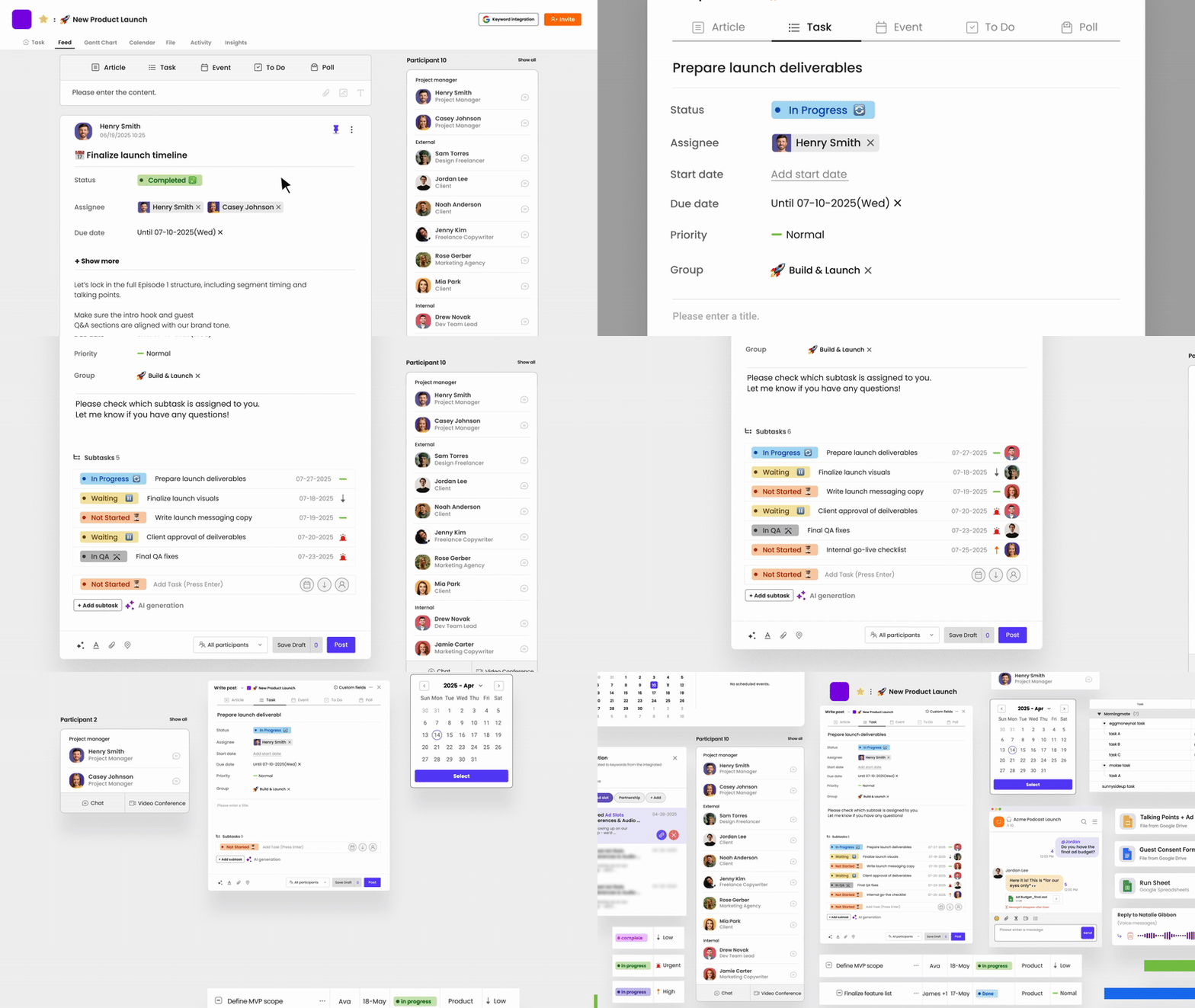
Tools like Morningmate are specifically designed to bridge the communication gap between remote employees. From instant messaging to video calls, ensuring that your team has access to the right tools can significantly enhance collaboration.
Establish Regular Check-ins
Set up regular one-on-one meetings and team check-ins to discuss progress, challenges, and provide feedback. This keeps employees aligned with their objectives and reiterates their importance within the organization.
Recognition and Rewards
Recognition in the workplace is crucial for motivation, and this remains true for remote employees. Implementing a recognition system for achievements can boost morale and encourage employees to maintain their productivity.
Implement a Recognition Program
Create a formal recognition program that acknowledges both individual and team achievements. This can be as simple as regular shoutouts during meetings or a more structured rewards program that offers tangible incentives.
Tangible Rewards and Incentives
Incentives can range from gift cards and bonuses to career development opportunities. Customizing rewards to fit the preferences of your remote team can make them more meaningful.
Support Professional Growth and Development
Providing opportunities for professional growth can keep remote employees motivated. Knowing that they have a pathway to advance in their careers can significantly increase engagement.
Offer Learning and Development Opportunities
Provide access to online courses, workshops, and seminars. Encourage employees to pursue certifications that will not only enhance their skills but also add value to the company.
Set Clear Career Pathways
Clearly define potential career paths within the company and discuss these during performance reviews. It’s important for remote employees to know how they can grow within the organization.
Conclusion
Keeping remote employees engaged and motivated is a multifaceted challenge that demands attention to company culture, communication, recognition, and professional development. By implementing these strategies, organizations can foster an engaged and motivated remote workforce. As we continue to adapt to the evolving workplace landscape, these practices will be essential for sustaining productivity and job satisfaction in remote team settings. Embracing tools like Morningmate can provide the necessary infrastructure to support these initiatives, ensuring that remote employees remain an integral and motivated part of the organization.