In today’s rapidly evolving business landscape, aligning company goals across diverse teams and departments is more important than ever. Without clear alignment, companies risk inefficiencies, wasted resources, and conflicting priorities that can derail overall success. One effective approach to fostering such alignment is using a shared platform that connects everyone to the same goals and objectives. A shared platform centralizes information and streamlines communication, creating a unified direction for the entire organization.
Company goals are the roadmap guiding every action taken within an organization. They ensure all employees are working towards the same end result, creating synergy and optimizing performance. Using a shared platform to align company goals not only enhances transparency but also empowers employees by providing a clear understanding of their contributions to the bigger picture. In this article, we’ll explore how to effectively align company goals using a shared platform, discussing strategies, best practices, and potential tools that can redefine how your company collaborates and communicates.
Building a strong foundation for goal alignment requires intentional planning and execution. Without the right tools and processes, even well-defined goals can fail to translate into coherent action. A shared platform like Morningmate can provide the necessary infrastructure to support these efforts, ensuring that every team and individual is on the same page. Let’s dive into how to align company goals using a shared platform and the benefits it can bring to your organization.
The Importance of Aligning Company Goals
Aligning company goals is crucial for maintaining coherent operations and fostering collaboration across various levels of an organization. When teams understand and work towards common objectives, they can deliver better results, reduce redundancies, and increase efficiency. A shared platform helps crystallize these goals, ensuring that every stakeholder has access to the same information and can act accordingly.
Achieving alignment not only propels a business towards its targets but also enhances employee satisfaction and motivation. When employees see their efforts contributing directly to larger organizational goals, engagement often increases. Furthermore, alignment strengthens leadership’s ability to make informed decisions, cultivating a proactive and dynamic work environment.
Frameworks for Aligning Goals
Adopting structured frameworks can streamline the alignment process. Such frameworks provide a systematic approach to define, communicate, and monitor goals at every level. A popular framework used to align company goals is the Objectives and Key Results (OKRs) methodology.
Objectives and Key Results (OKRs)
OKRs bridge the gap between high-level strategic goals and day-to-day operations. They consist of clear objectives, which are qualitative descriptions of what you want to achieve, accompanied by several key results, which are measurable steps towards achieving those objectives. Leveraging a shared platform enhances OKR adoption by providing transparency and collaborative spaces for teams to monitor and update their progress.
- Defines ambitious yet attainable company-wide objectives.
- Aligns individual and team efforts towards common endpoints.
- Facilitates regular check-ins to track progress and adapt strategies.
SMART Goals Framework
Another effective framework is the SMART goals approach, which ensures that company goals are Specific, Measurable, Achievable, Relevant, and Time-bound. This method encourages precise targets and supports measurable outcomes, making it an ideal candidate for integration into a shared platform. With SMART goals, a shared platform can aggregate data and track timelines, enhancing accountability and focus.
- Encourages clarity and focus through specific goal-setting.
- Enables progress tracking and performance measurement.
- Facilitates adaptability with ongoing timeline adjustments.
Choosing the Right Shared Platform
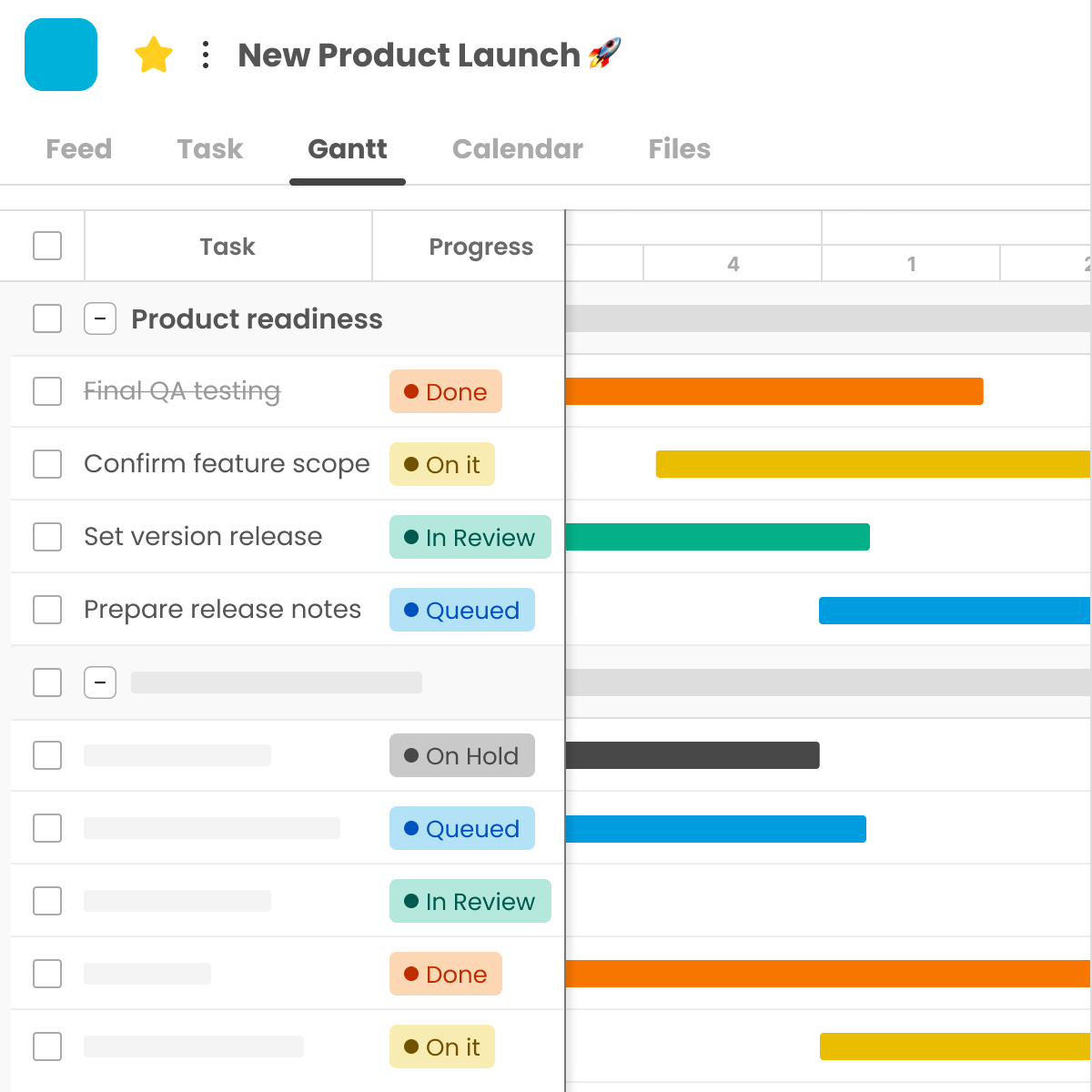
Selecting the appropriate shared platform is vital for effective goal alignment. Platforms like Morningmate offer a comprehensive set of tools to streamline communication, document sharing, and task management, all within a single ecosystem. This integration ensures that all employees, regardless of their department or role, have access to the necessary resources to pursue aligned goals.
A reliable platform should offer features such as real-time collaboration, secure data storage, and adaptability to different business needs. These capabilities empower organizations to create a transparent and cooperative workplace, minimizing silos and enhancing cross-functional teamwork. Additionally, the platform should support integrations with existing tools to further consolidate workflows.
Key Features to Consider
- User-friendly interface that encourages widespread adoption.
- Strong security protocols to protect sensitive company information.
- Comprehensive reporting and analytics for performance insights.
- Customizable settings to tailor the platform to specific needs.
By choosing a platform that addresses these key features, companies can ensure that their goal alignment efforts are effectively supported, fostering productivity and innovation across the board.
Implementing a Shared Platform: Steps and Best Practices
Implementing a shared platform for goal alignment is a multi-step process that requires strategic planning and execution. The following steps outline best practices for integrating such a platform into your company seamlessly.
Step 1: Conduct a Needs Assessment
Begin by assessing the current gaps in your company’s communication and goal-setting processes. Identify the pain points teams are experiencing that impede goal alignment. This assessment will inform the selection of a shared platform that meets your specific organizational needs.
Step 2: Set Clear Objectives
Define what you aim to achieve with the integration of a shared platform. Establishing clear objectives ensures a focused approach to implementation, providing measurable benchmarks to gauge the platform’s impact. Align these objectives with broader company goals for maximum coherence.
Step 3: Engage Stakeholders
Involve key stakeholders from various departments early in the process. Their insights and feedback will be invaluable in selecting a platform that accommodates diverse operational needs. Engaging these stakeholders fosters buy-in and facilitates smoother adoption across the organization.
Step 4: Pilot and Iterate
Initiate a pilot phase to test the platform with a small, representative group of users. Gather their feedback and make any necessary adjustments before a company-wide rollout. This iterative approach helps fine-tune the platform’s configuration to suit your organization’s workflow.
Step 5: Company-wide Implementation
After successful piloting, proceed with the full-scale implementation of the shared platform. Provide comprehensive training sessions to ensure all employees understand how to use the platform effectively. Regular updates and continuous support are crucial to maintain engagement and address any challenges that arise.
Real-World Examples of Successful Goal Alignment
Several organizations have successfully aligned their company goals using shared platforms, leading to notable improvements in performance and efficiency. For instance, XYZ Corp implemented a customized platform that streamlined communication between its sales and marketing teams, resulting in a 20% increase in lead conversion rates.
Another example is ABC Inc., which used a shared platform to synchronize project timelines across its engineering and production departments. This alignment reduced project completion times by 15%, boosting their competitive edge in the market. These examples illustrate the tangible benefits of leveraging shared platforms for achieving cohesive organizational goals.
Such success stories demonstrate the importance of a shared platform in creating a more connected and efficient workplace. By learning from these examples, companies can implement similar strategies in their efforts to align goals and drive growth.
Measuring the Impact of Goal Alignment
To ensure your goal alignment efforts are successful, it’s crucial to measure their impact through relevant metrics. A shared platform facilitates this by offering analytics and reporting tools that provide insights into the progress and outcomes of aligned goals. Key performance indicators (KPIs) such as goal completion rates, employee engagement metrics, and departmental collaboration scores can offer valuable insights.
Regularly review these metrics to assess the effectiveness of your alignment strategies. Use the insights gained to make informed adjustments, optimizing both goal-setting processes and platform features. Tracking progress and celebrating achievements along the way enhances motivation and reinforces the importance of alignment efforts.
Conclusion: Achieving Success with Aligned Company Goals
Aligning company goals using a shared platform is a powerful strategy for driving synergy and achieving overarching organizational objectives. By centralizing resources and enhancing transparency, shared platforms enable teams to work more effectively towards common targets. This alignment fosters a cohesive work culture where every employee understands and contributes to the broader mission.
As companies continue to adapt to evolving business landscapes, implementing a shared platform can serve as a cornerstone for success. It’s important to choose the right tools, involve key stakeholders, and regularly measure impact to optimize alignment strategies. Start your journey towards aligned goals today by exploring the potential of shared platforms like Morningmate to transform your organization into a more connected and purpose-driven environment.