In an evolving business landscape, many organizations are exploring ways to remain agile and efficient without the conventional structures that have guided them for years. Among these traditional roles, the project manager stands out as a pivotal figure. But what if your team could function seamlessly without this specific role? The key lies in leveraging the strengths of your team members, employing the right tools, and fostering a culture of collaboration.
The concept of running a team without a project manager might seem daunting. However, with the right strategies in place, your team can flourish in ways that traditional roles might not allow. This approach can lead to increased ownership, enhanced collaboration, and a more empowered team eager to innovate and succeed.
This article will explore how teams can effectively function without a designated project manager, using practical strategies and tools, such as Morningmate, to streamline collaboration and project success.
Understanding the Role of a Project Manager
To omit a project manager effectively, it’s crucial to first understand the responsibilities they typically hold. Project managers oversee planning, execution, and closing of projects. They ensure resources are available, timelines are met, and communication lines remain open. Without them, these tasks must be distributed among team members.
Breaking Down Responsibilities
A project manager’s duties often include scheduling, budgeting, resource allocation, and stakeholder communication. These responsibilities can be divided among team members based on their strengths and expertise. For example, someone skilled in finance might handle budgeting, while a tech-savvy team member could oversee software tools and platforms.
Encouraging Team Ownership
In the absence of a project manager, fostering a sense of ownership within the team is essential. Encourage team members to take charge of specific areas. This not only lightens the load but also ensures that each aspect of the project is managed by someone with a vested interest in the outcome.
Tools to Enhance Collaboration
Leveraging collaboration tools can significantly ease the transition to a project manager-less environment. Morningmate, for instance, offers an intuitive platform for managing projects without hierarchical constraints. Tools like these streamline communication and keep everyone on the same page.
Utilizing Digital Platforms
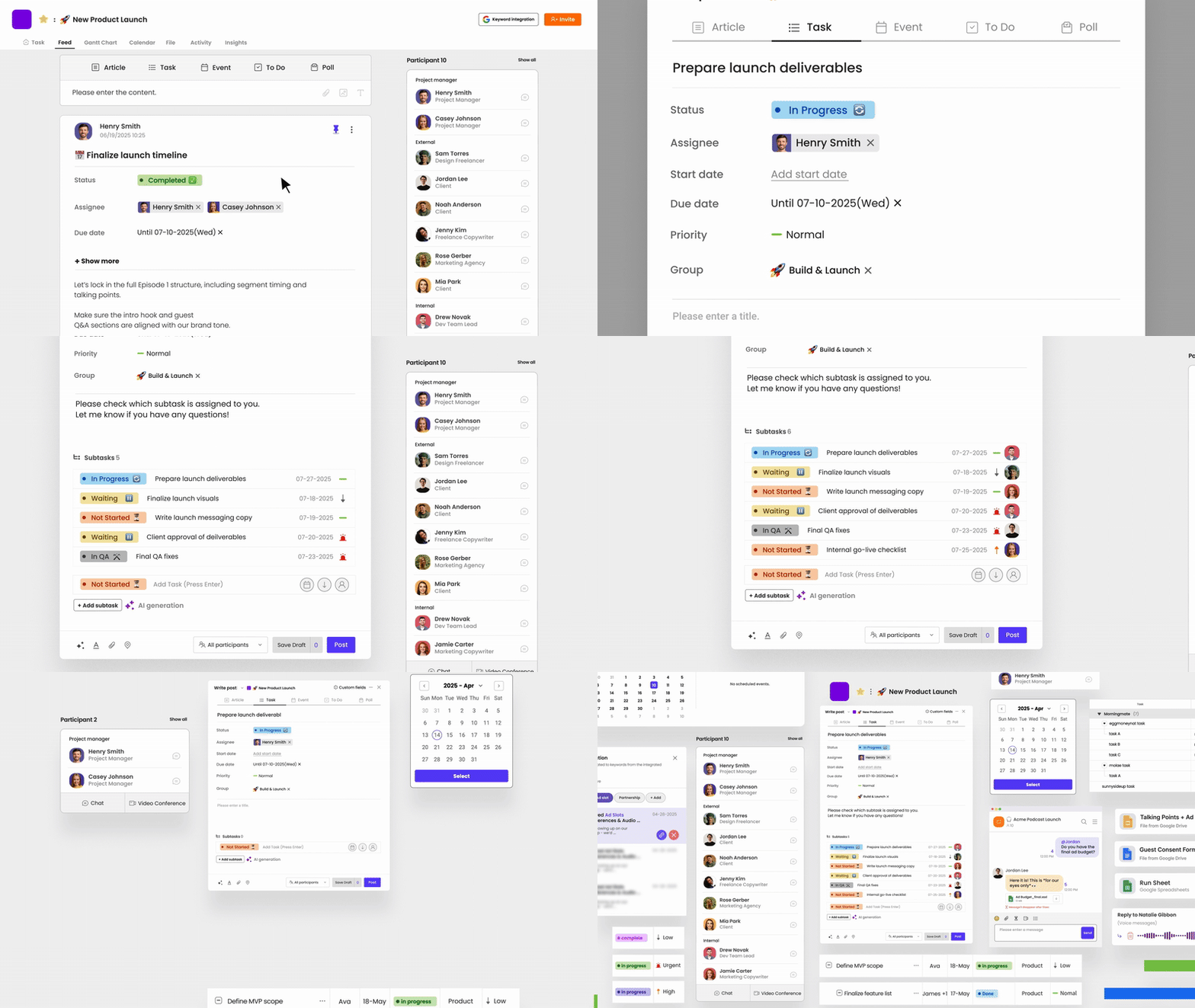
Platforms such as Morningmate offer features designed to enhance team collaboration, like task assignments, deadline reminders, and file sharing, all crucial for keeping projects on track. These tools act as a digital project manager, providing guidance and oversight without the need for a singular role.
Ensuring Transparent Communication
Transparent communication is vital in environments without a project manager. Encourage regular updates and open dialogue using group chats, video meetings, and collaborative documents. Morningmate, with its real-time messaging and project boards, can facilitate this transparency effortlessly.
Frameworks for Self-Managed Teams
In the absence of a project manager, teams need structured frameworks to guide their work process. Adopting agile methodologies or self-management frameworks can provide the necessary structure and flexibility.
Implementing Agile Methodologies
Agile methods, originally designed for software development, are highly adaptable for other sectors. They emphasize regular feedback, iterative progress, and collaborative decision-making, which are perfect for project manager-less teams. Weekly sprints and stand-up meetings can keep momentum and accountability high.
Self-Managed Teams
Adopting a self-management model can empower teams to own their processes and outcomes. In this model, responsibility and leadership are distributed rather than centralized, fostering a culture where every team member feels empowered to contribute to and impact the project.
Step-by-Step Guide to Transitioning
Transitioning to a team without a project manager requires careful planning and execution. The following steps can guide your team through this shift, ensuring a smooth adaptation to new workflows and responsibilities.
1. Assess Current Processes
Begin by evaluating your existing processes. Identify tasks typically handled by a project manager and determine how these can be distributed among team members with relevant skills and interests.
2. Choose the Right Tools
Identify collaboration tools that align with your team’s needs. Morningmate can serve as a central hub for project management, offering features that help maintain organization and communication as roles shift.
3. Promote Cross-Functional Training
Encourage cross-training to build a more flexible and resilient team. Skills development ensures team members can step into roles or responsibilities outside their usual scope, enhancing adaptability and teamwork.
4. Establish Clear Communication Channels
Set up structured communication protocols to ensure everyone remains informed. Regular check-ins and updates, facilitated through platforms like Morningmate, can keep all team members aligned with project goals.
5. Monitor and Adjust
Regularly review team performance and make necessary adjustments. This ongoing assessment will help refine processes and strategies, ensuring that the team continues to function efficiently and effectively.
Real-World Examples
Many organizations have successfully transitioned to operating without a traditional project manager by adopting innovative approaches to teamwork and communication.
Case Study: The Tech Startup
A tech startup managed to eliminate the need for a project manager by implementing a robust digital collaboration platform, allowing their team to self-organize and maintain high productivity levels.
By using a tool like Morningmate, they enhanced individual accountability and streamlined their project workflows, resulting in increased innovation and delivery speed.
Case Study: The Marketing Agency
This marketing agency used cross-functional teams and consistent communication to replace their project manager. Team members rotated responsibilities based on project needs, using Morningmate to centralize all project details and manage client communications efficiently.
Conclusion
Running a team without a project manager is not only possible but can be advantageous under the right circumstances. By understanding the role, utilizing appropriate tools, encouraging team ownership, and adopting effective frameworks, teams can achieve remarkable outcomes. The shift might require an initial investment of time and effort, but the long-term benefits of empowered and self-sufficient teams are well worth it.
Whether it’s through tailored platforms like Morningmate or embracing agile methodologies, the future of project management may well rest in the hands of the teams themselves, ready to navigate the challenges and successes of a project-manager-free world by 2025.