In the evolving landscape of education, effective project management is becoming increasingly important for schools and education teams. Traditional educational models are transforming, paving the way for collaborative and dynamic learning environments. To effectively manage these shifts, educators, administrators, and school project coordinators need to adopt strategic project management techniques tailored to the educational setting. This approach not only enhances productivity but also enriches the educational experience for students and educators alike.
Project management for schools and education teams involves the careful coordination of resources, people, and schedules to achieve desired educational outcomes. With the right tools and strategies, teams can streamline their work processes, foster collaboration, and ensure that educational objectives are met efficiently. This article explores how educational institutions can utilize project management strategies to enhance teamwork, planning, and execution of educational projects.
Understanding Project Management in Education
Project management in education covers a broad spectrum of activities, from curriculum development and extracurricular planning to infrastructure improvement and technology integration. Schools must balance these projects while ensuring that the core goal of providing quality education is not compromised.
Unlike traditional corporate environments, project management in education involves a higher level of coordination among various stakeholders, including teachers, students, administrators, and parents. It also must accommodate diverse educational philosophies and learning styles, making adaptability a critical aspect of any project management plan.
Key Components of Project Management for Schools
Effective project management integrates several key components. When schools focus on these areas, they are better positioned to manage projects smoothly and successfully.
Defining Clear Objectives
For any educational project to succeed, it must start with clearly defined objectives. Schools should identify what they intend to achieve from each project, whether it is academic improvement, technological advancement, or facility enhancement. Clear objectives provide direction and benchmarks to measure progress.
Resource Allocation and Management
Resource management is a critical facet of project management for education teams. Resources can include anything from financial budgets to human resources and time. Effective resource allocation ensures that schools make the best use of what is available, reducing waste and optimizing processes.
Stakeholder Communication and Engagement
Engagement and communication with all stakeholders are essential. Schools need to implement a communication plan that outlines how often and through what means stakeholders will be informed and involved. Regular updates and feedback loops can help ensure everyone is aligned and committed to the project’s success.
Implementing Project Management Strategies
Integrating project management strategies in schools involves a mix of methodologies tailored to the unique environment of education.
Agile Methodology
While Agile is popular in software development, its adaptive framework can benefit education teams. This methodology promotes flexibility and iterative progress, which is perfect for adjusting to the fast-changing educational needs. Short sprints and regular reviews can help teams stay on track with their goals.
Using Collaborative Tools
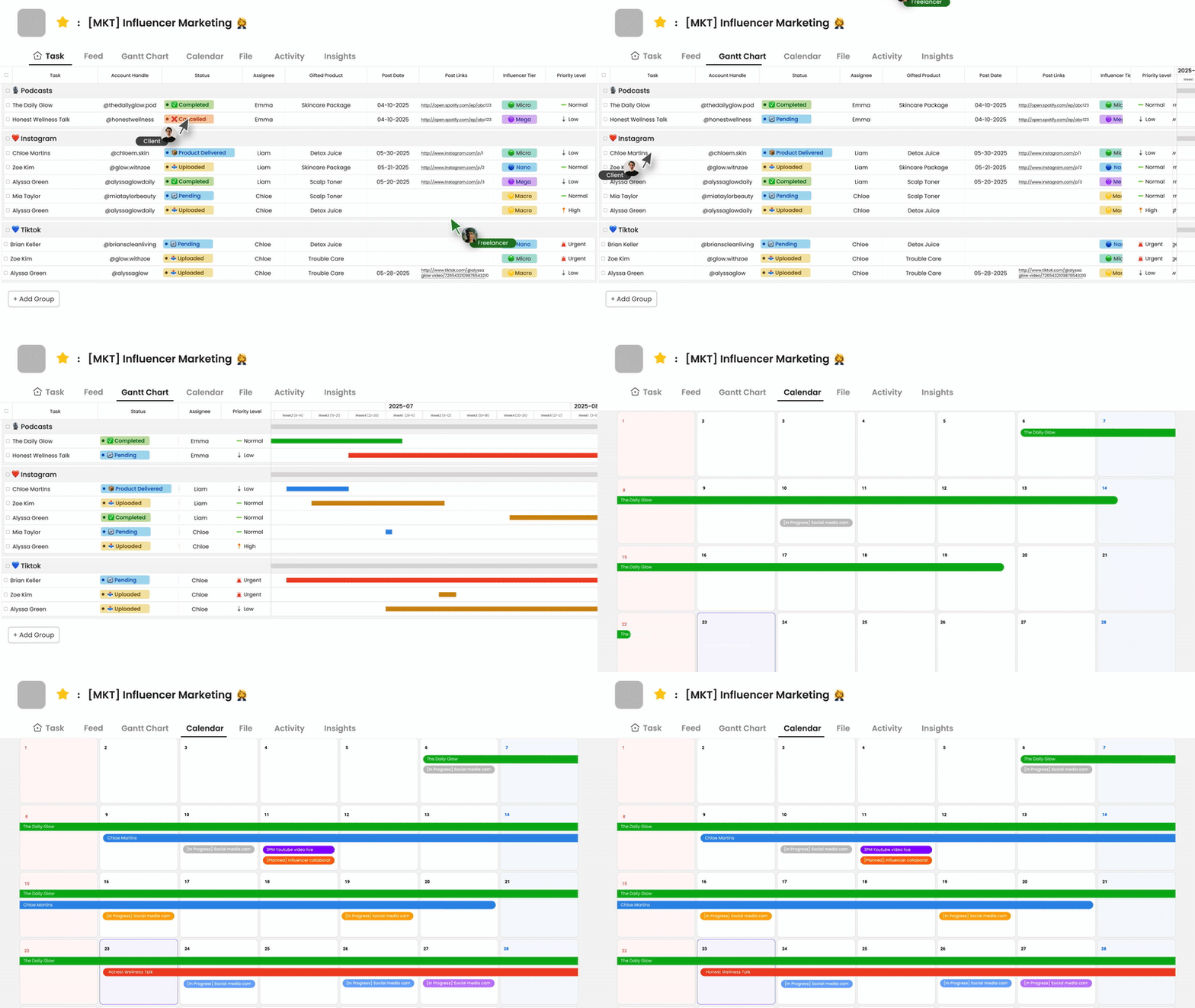
Incorporating collaborative tools like Morningmate can facilitate seamless communication and task management. With features that support document sharing, real-time updates, and task assignments, these tools can help schools coordinate with precision and visibility across teams.
Risk Management
Identifying potential risks early in the project lifecycle allows schools to mitigate them effectively. Education teams should hold regular risk assessment meetings, during which they can brainstorm potential challenges and their solutions, ensuring the project remains on course.
Challenges in Project Management for Schools
Despite its benefits, project management in educational settings faces various challenges. Understanding these challenges helps institutions devise strategies to overcome them.
Resistance to Change
Inertia can be a significant barrier in schools where long-established methods exist. Building a culture of openness and willingness to adopt new strategies requires time and effort but is essential for successful implementation of project management practices.
Budget Constraints
Educational institutions often operate under tight budgets. Balancing financial constraints while trying to implement innovative projects poses a constant challenge. It’s important to prioritize projects that align with core educational objectives to maximize resource impact.
Managing Diverse Needs
Education teams must cater to diverse educational needs and learning styles. Customizing project management approaches to align with these needs can demand additional effort but is necessary for comprehensive educational enrichment.
Case Studies and Examples
Real-world examples can provide insights into successful project management within educational contexts. Here are a few cases where strategic management led to significant improvements.
Innovation in Curriculum Development
A public high school implemented Agile processes to redesign their curriculum. By involving teachers, students, and curriculum specialists in sprints and open feedback sessions, the school successfully rolled out a curriculum that improved student engagement without exceeding budget constraints.
Technology Integration in Classrooms
In 2025, a charter school adopted a collaborative project management tool to ensure smooth integration of new technologies in classrooms. The tool helped coordinate training sessions for staff and assess the technology’s impact on learning outcomes, resulting in efficient technology adoption.
Infrastructure Enhancement Projects
A district’s elementary schools collectively launched an infrastructure project using classic project management frameworks. By meticulously planning and scheduling work during vacation periods, they managed to upgrade school facilities massively without disrupting the academic term.
Future Trends in Educational Project Management
Looking to the future, project management in schools is expected to evolve with trends that enhance adaptability and collaborative communication.
Increased Use of AI and Data Analytics
Artificial Intelligence and data analytics are set to play a significant role in project management for education teams. AI can provide insights into resource optimization and predict potential risks, while data analytics can help track project performance metrics in real-time.
Remote and Hybrid Learning Models
With the increasing shift towards hybrid learning models, project management will focus significantly on integrating remote collaboration tools. Ensuring equitable access to educational materials for all students will be a critical success factor.
A Path Forward
As schools and education teams confront the challenges of modern education, project management practices will become indispensable tools for success. By focusing on clear objectives, stakeholder communication, and adaptability through agile and collaborative strategies, educational institutions can drive effective and sustainable improvements.
Embracing project management in education translates into better educational outcomes, enhanced learning environments, and well-orchestrated institutional growth. Schools that invest in these strategies today will be well-positioned to lead the way forward, establishing a standard of excellence and innovation in education management by 2025 and beyond.