In the modern digital age, businesses rely heavily on virtual communication tools to maintain seamless operations. While these tools have revolutionized workplaces, they have also introduced new challenges—namely, zoom fatigue and meeting overload. These phenomena emerge as employees find themselves exhausted by frequent video conferences and crowded schedules. Adapting to this virtual working environment demands innovative solutions that enable individuals to regain their productivity and well-being.
As companies continue to navigate this digital terrain, understanding the roots of zoom fatigue becomes crucial. Being aware of the symptoms and recognizing that this new normal can leverage success rather than hinder it. Organizations are increasingly tasked with finding strategies to optimize meetings and ensure that technology serves as an aid rather than a hindrance. Embracing effective methods can lead to happier, more productive teams.
This article delves into the causes of Zoom fatigue, explores solutions to tackle meeting overload, and presents actionable strategies for maintaining focus and energy. By restructuring approaches and implementing practical techniques, employees can thrive in a balanced digital workspace.
Understanding Zoom Fatigue: Causes and Symptoms
Zoom fatigue is a relatively new term emerging with the rise of video conferencing. Unlike face-to-face interactions, video calls require individuals to process numerous non-verbal cues simultaneously, demanding more cognitive effort. This constant concentration leads to mental exhaustion. Multiple meetings per day further exacerbate this exhaustion and lead to inefficiencies.
Common symptoms include the feeling of being drained after virtual meetings, decreased concentration levels, and even physical discomfort like eye strain and headaches. These symptoms impact overall productivity and well-being both in and outside of the workplace.
Factors Contributing to Zoom Fatigue
Several factors contribute to zoom fatigue, each influencing the extent to which an individual is affected. Understanding these factors is pivotal in addressing the issue effectively.
- Cognitive Load: The brain works overtime to decipher video quality, backgrounds, and expressions, leading to increased fatigue.
- Lack of Physical Movement: Meetings often require individuals to remain stationary for extended periods, restricting natural movement.
- Screens and Technology: Prolonged screen exposure without breaks increases stress on the eyes and mind.
Meeting Overload: Identifying the Culprit
Meeting overload occurs when employees find their days packed with back-to-back meetings, leaving little time for actual work. Not all meetings are essential; some can be condensed or replaced with emails. Recognizing the signs of meeting overload is the first step toward reclaiming time and productivity.
It’s critical to identify whether meetings meet their purpose or if they simply fill time. This requires introspection and the willingness to enact cultural change within organizations.
Find and Fix: Steps to Handle Meeting Overload
Tackling meeting overload involves strategic analysis and streamlined approaches. Here are several steps organizations can implement:
1. Conduct a Meeting Audit: Analyze past meetings—identify which were crucial and which could be replaced with other communication forms.
2. Implement a Meeting-Free Day: Designate one day in the week where no meetings are scheduled, allowing employees to focus uninterrupted.
3. Enforce Time Boundaries: Set strict time limits to meetings to encourage concise communication and respect participants’ time.
4. Optimize Attendance: Include only essential members to meetings to maintain focus and drive efficiency.
Strategies and Tools for Battling Meeting Overload
Adopting efficient strategies and leveraging digital tools can significantly reduce the burden of meeting overload. Morningmate, for instance, provides various solutions to enhance communication and collaboration while minimizing unnecessary interactions.
Utilizing Collaborative Tools
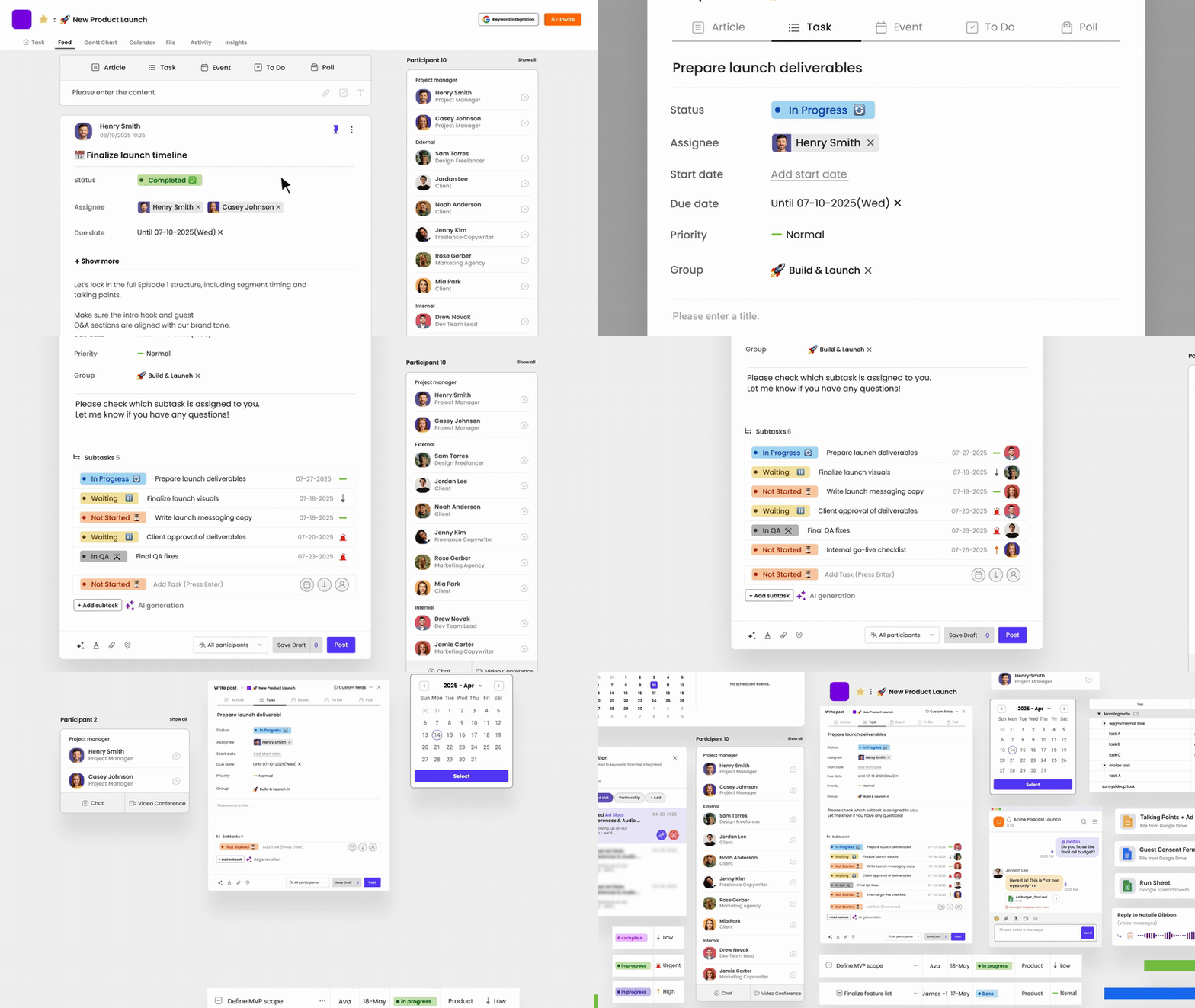
Collaboration tools have become invaluable in the digital workspace. By fully utilizing tools like Morningmate, teams can harmonize their workflows:
- Centralized Documentation: Use tools to house documents, reducing the need for meetings to discuss file-based information.
- Task Management Systems: Employ platforms that allow tasks assignment and tracking without needing constant check-ins.
- Shared Calendars: Leverage calendaring tools to visibly organize and prioritize meeting schedules.
Prioritizing Core Communication Practices
Beyond tools, enhancing core communication practices stands paramount. Organizations should prioritize clear, direct communication to diminish the need for frequent meetings:
- Set Clear Agendas: Clearly outline the purpose and desired outcomes before each meeting.
- Asynchronous Updates: Use messaging tools for quick updates instead of calling for meetings.
- Encourage Feedback: Foster an environment where feedback on meeting frequency and structure is encouraged and acted upon.
Restoring Balance: Self-Care for Zoom Fatigue
Individual efforts are also vital in addressing zoom fatigue. Incorporating self-care practices ensures personal well-being and maintains energy.
Personal Strategies for Combatting Zoom Fatigue
Individuals can implement simple yet effective methods to alleviate symptoms of zoom fatigue:
- Schedule Breaks: Plan short breaks during prolonged sessions to rest eyes and clear the mind.
- Limit Video Calls: If possible, conduct some meetings via voice calls only.
- Workspace Optimization: Ensure ergonomically sound setups to prevent physical discomfort.
- Exercise and Hydration: Regular physical activity and staying hydrated significantly improve concentration and energy levels.
Transforming the Meeting Culture for 2025
As organizations prepare for 2025, shifting the culture around meetings and digital interactions is crucial. Understanding and implementing solutions to combat zoom fatigue and meeting overload is an ongoing process, requiring constant adjustment and communication.
Organizations that balance technology with thoughtful strategy position themselves for sustainable success. By redefining how meetings are conducted and mental fatigue is approached, businesses can enhance productivity and employee well-being.
Commit to smarter communication practices and consider platforms like Morningmate to support a healthier, more efficient workplace as we move toward a post-2025 digital landscape.