Managing a healthcare admin team efficiently is crucial for ensuring smooth operations and delivering high-quality patient care. In the complex healthcare environment, administration tasks can involve everything from scheduling appointments to handling patient records and billing. Effective management requires both strong leadership and strategic deployment of technology. Successfully organizing these tasks can reduce stress for staff and create a more efficient workplace. Let’s explore how to approach this challenge with practical strategies and actionable tips.
As healthcare systems evolve, the load and complexity of admin tasks have increased. Administrators must balance competing priorities while ensuring compliance with regulations. It’s essential to implement management strategies that streamline these processes. By leveraging the right tools and practices, teams can enhance productivity and contribute positively to their organizations. We’ll dive into several approaches to optimize managing a healthcare admin team.
Understanding the specific needs of your healthcare admin team is foundational to improving task management. Without a clear perspective on what needs to be accomplished, it’s challenging to set priorities and allocate resources effectively. Here’s how you can ensure that your approach is both visionary and practical.
Assessing the Needs of Your Healthcare Admin Team
Before implementing any management strategy, it’s vital to conduct a thorough assessment of your team’s needs. This involves evaluating current workflows and identifying pain points that hinder productivity. Considering these factors will guide you in tailoring solutions that specifically address your team’s challenges.
Evaluating Current Workflows
Begin by mapping out existing administrative workflows. Understand how tasks flow from person to person and identify any bottlenecks. Are there redundant processes, or steps that consistently suffer delays? A comprehensive workflow evaluation helps clarify where changes are necessary to increase efficiency.
Identifying Pain Points
Once workflows are mapped, the next step is interviewing team members to surface pain points. Find out what tasks are most cumbersome and seek input regarding potential solutions. Common issues might include manual data entry, miscommunication between departments, or outdated technology that slows down processes.
Implementing Effective Task Management Strategies
Once the needs of the team are well understood, it’s time to implement strategies aimed at improving task efficiency. A mix of technological tools and process improvements can provide a structured approach to task management. Here are some effective strategies and tools to consider.
Adopting Task Management Tools
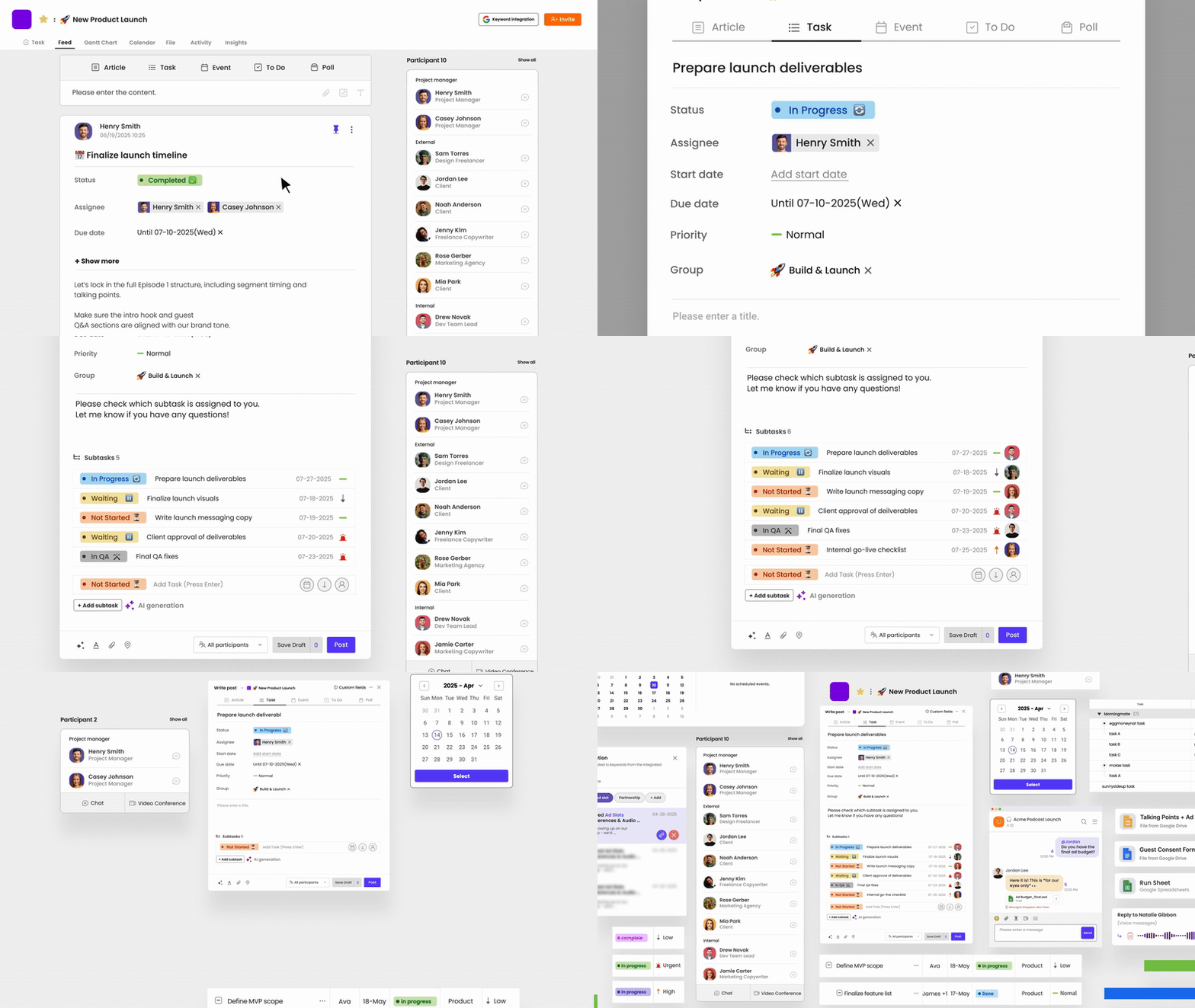
Technology can greatly alleviate the administrative burden. Task management software like Morningmate can enhance team collaboration by centralizing task assignments, deadlines, and tracking in one interface. Such tools often offer project management features like Gantt charts, which can help visualize the timeline of tasks and project dependencies.
Prioritizing Workflow Automation
Automating repetitive tasks is a crucial element of optimizing admin workload. Automation can handle responsibilities such as scheduling reminders, sending follow-up emails, and updating patient information. This frees up time for team members to focus on tasks that require human expertise.
Creating an Efficient Communication Structure
Effective communication is fundamental to managing any team. In a healthcare environment, where time-sensitive information is exchanged, clarity and timeliness are critical. Establish protocols that ensure efficient and accurate communication within the team and with other departments.
Establishing Clear Communication Guidelines
Set clear guidelines around how and when to communicate. Standards should include how to deal with urgent messages, daily briefings, and using communication tools. Consider the use of instant messaging apps for quick communications, while formal documentation can be reserved for emails or shared document platforms.
Using Regular Team Meetings Effectively
Schedule regular team meetings to align on objectives, share updates, and discuss challenges. These meetings should be concise and focused, allowing members to voice concerns and propose solutions. Follow an agenda to keep the meetings productive and time-efficient.
Implementing Continuous Improvement Practices
To maintain efficiency and morale within your healthcare admin team, embrace continuous improvement practices. Fostering a culture that values feedback and adaptation ensures that your team can respond effectively to changes and challenges as they arise.
Encouraging Feedback and Adaptability
Create avenues for team members to provide feedback about processes and management strategies. This feedback is essential for recognizing issues early and adapting strategies to better fit the team’s evolving needs. Regularly review and revise policies to adapt to feedback and changing circumstances.
Setting Up Performance Metrics
Define and monitor performance metrics to assess the effectiveness of task management strategies. Key metrics might include task completion rates, error rates, and satisfaction levels. Analyzing these metrics can highlight areas for improvement and set benchmarks for success.
Training and Empowering Admin Team Members
A well-trained team is poised to perform at its best. Investment in training and professional development ensures that team members are skilled in the latest tools and processes relevant to their roles. Empower your staff with continuous learning opportunities for sustained productivity and morale enhancements.
Providing Regular Training Opportunities
Offer training programs that cover both technical skills and soft skills. Focus on areas such as time management, software use, and communication skills. Providing learning opportunities helps staff feel valued and encourages the adoption of new technologies and methods.
Encouraging Skill Diversification
Encourage staff to diversify their skill sets beyond their immediate job responsibilities. This can be achieved through cross-training sessions, where employees learn each other’s roles. Such initiatives can improve team resilience and flexibility, allowing more seamless coverage and adaptability to unexpected changes.
Building a Future-Ready Admin Team
Managing a healthcare admin team’s tasks effectively is vital to the success of healthcare institutions. By assessing team needs, implementing robust task management strategies, fostering an environment of continuous improvement, optimizing communication, and investing in team training, administrators can promote efficiency and sustainability in their operations.
Through strategic planning and the use of advanced tools like Morningmate, healthcare facilities can streamline their administrative processes. This not only enhances patient care but also improves day-to-day operations, setting the foundation for a responsive and future-ready admin team. As 2025 approaches, these strategies will remain pivotal in navigating the dynamic healthcare landscape.