Adopting hybrid work environments has become increasingly popular among businesses striving to balance flexibility and productivity. While the concept promises numerous benefits, it also presents unique challenges, prominent among them is accountability. Many organizations mistakenly believe that fostering a robust culture suffices to address accountability issues in a hybrid team structure. However, in 2026 and beyond, culture alone may not be enough.
Establishing accountability in a hybrid team requires more than just a cultural shift. It requires a strategic approach involving clear systems, tools, and practices tailored to support remote and on-site workers alike. Companies embracing hybrid work models must rethink their accountability frameworks and ensure they are equipped to handle the nuances of this unique setup.
In this article, we explore why relying solely on culture is insufficient and offer practical strategies to bolster accountability in hybrid teams. From leveraging technology like Morningmate to redefining team norms and expectations, we will dissect how businesses can navigate these uncharted waters successfully.
The Limits of Culture in Ensuring Accountability
Organizational culture plays a vital role in shaping behaviors and encouraging employees to adhere to shared values. However, when it comes to hybrid teams, culture often can’t bridge all accountability gaps. Hybrid work settings disrupt traditional team dynamics, altering how employees interact and collaborate.
While culture can instill a sense of belonging and shared purpose, it may not specify individual responsibilities clearly. Employees might misinterpret cultural cues, leading to inconsistent performance standards. Therefore, culture should be complemented by concrete mechanisms that define and reinforce accountability.
Steps to Enhance Accountability in Hybrid Teams
Enhancing accountability in hybrid teams requires structured efforts beyond cultural norms. Here are actionable steps to achieve this:
- Set Clear Expectations: Establish detailed guidelines and role definitions for accountability, ensuring everyone knows their responsibilities.
- Use Collaborative Tools: Employ tools like Morningmate that facilitate transparent communication and task tracking.
- Regular Check-ins: Schedule frequent meetings to discuss progress, resolve obstacles, and reinforce commitments.
- Emphasize Results: Focus on outcomes rather than mere activity to evaluate accountability effectively.
Applying these strategies can help ensure that all team members remain accountable, irrespective of location. Consider implementing them progressively to allow for adaptation.
Leveraging Technology for Accountability
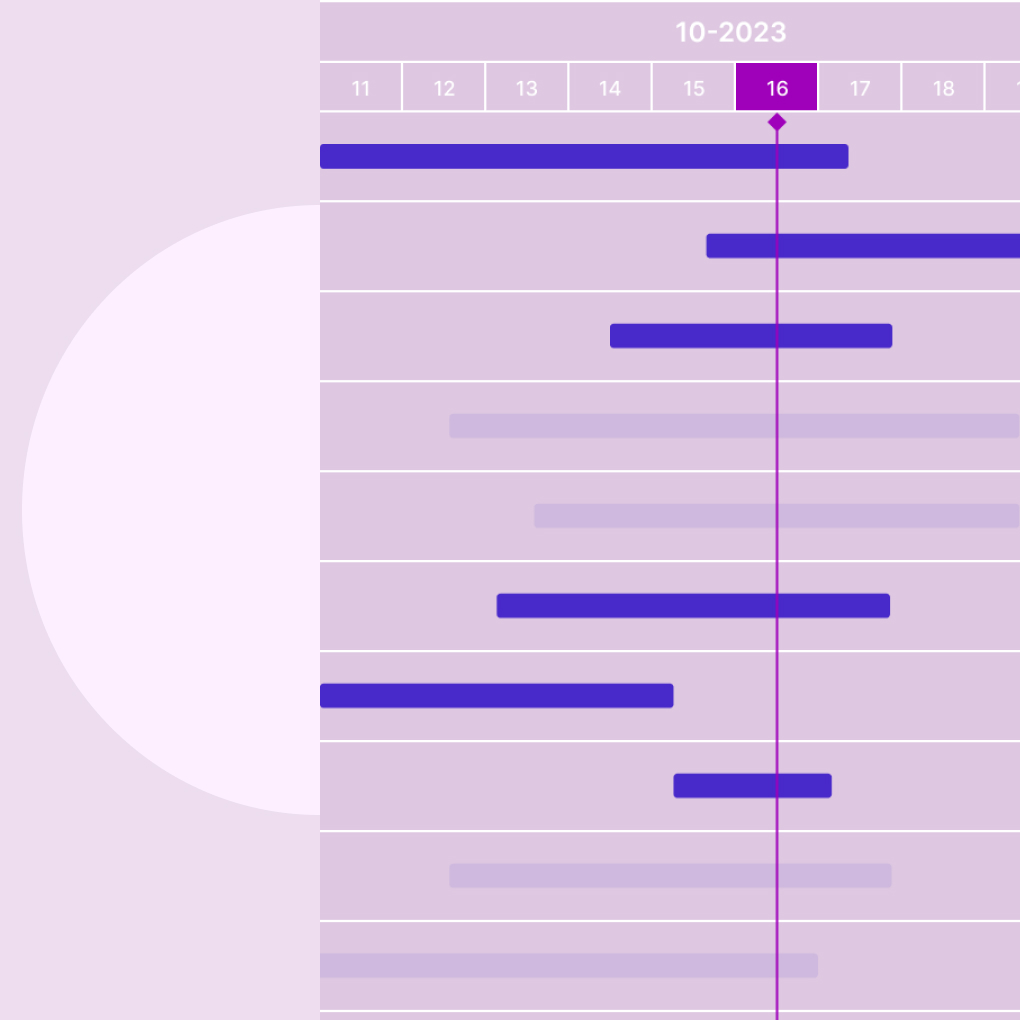
Technology serves as an essential pillar in fostering accountability. In hybrid work models, digital platforms can mitigate common challenges by providing a transparent view of tasks and deadlines. Utilizing task management tools can greatly enhance team coordination and accountability.
Applications like Morningmate allow team members to collaborate seamlessly, ensuring everyone is on the same page. These tools offer visible task tracking, which encourages personal responsibility and timely completion of duties.
By integrating such tools into your workflows, you enable clear oversight and management of projects. This not only supports accountability but also ensures efficient team operations.
Choosing the Right Tools
Selecting the appropriate technology for your team is crucial. Look for features like ease of use, integration capabilities, and mobile accessibility. These factors ensure the tool complements your team’s existing processes and enhances accountability.
Consider conducting trials or seeking employee feedback to choose software that best fits your organization’s needs.
Redefining Team Norms and Roles
Hybrid work requires revisiting and redefining team norms and roles. Since hybrid teams operate in different environments, establishing new norms helps adapt accountability measures to your team’s specific circumstances.
Realign role descriptions to reflect current and future expectations. Update existing norms to include hybrid-specific processes, such as communication style adjustments and flexible working hours.
Encouraging Open Dialogue
Open dialogue is a cornerstone of accountability. Encourage team members to share feedback and discuss concerns without hesitation. Providing platforms for candid conversations ensures transparency and strengthens accountability.
Ensure that leaders regularly engage with their teams, fostering a culture of continuous improvements and accountability.
Creating a Multi-Faceted Approach
Effective accountability in hybrid teams emerges from a combination of strong culture, clear structures, and innovative tools. While culture lays the groundwork, it should be part of a broader strategy involving technology and defined expectations to thrive in a hybrid setup.
For businesses keen on mastering hybrid work, it’s time to take decisive steps towards reinforcing accountability. Start by evaluating your current practices and identify areas that need enhancement. Whether it’s improving communication or adopting new technologies, each step gets you closer to achieving a cohesive and accountable hybrid team.
Take the time today to explore how leveraging tools like Morningmate can drive accountability while maintaining the flexibility that hybrid teams need. Create your ideal work environment and watch your team’s productivity and satisfaction skyrocket.