In the modern workplace, it often seems like everyone is constantly busy. Meetings, emails, and tasks fill our days, creating a flurry of activity that appears productive at first glance. However, this relentless busyness may not necessarily equate to true productivity. What we might be witnessing is the phenomenon known as “Productivity Theater” – a situation where teams look industrious but aren’t actually progressing toward meaningful goals.
Productivity Theater can be compared to a stage play where the cast delivers powerful performances and the scenes appear intricately choreographed, yet when the curtain falls, no lasting impact is made. For teams, this manifests as a facade of productivity where documentation, discussions, and deliverables pile up, but real progress falls short. Understanding the nuances of this issue is crucial for management and teams striving for genuine efficacy in today’s performance-driven environments.
The key to dismantling Productivity Theater lies in recognizing its symptoms, understanding its root causes, and implementing strategies to cultivate a more authentic workplace productivity. By examining these aspects, we can bridge the gap between mere activity and truly meaningful work.
Identifying Symptoms of Productivity Theater
Spotting Productivity Theater requires a critical eye and an open mind. If your team often finds itself immersed in back-to-back meetings, incessant email chains, and procedural obligations without significant project advancement, these may be red flags. Recognizing these patterns is the first step toward remediation.
- Endless meetings that rarely produce actionable outcomes.
- Focus on quantity of work over quality or impact.
- Frequent last-minute scrambling to meet deadlines due to distractions.
By identifying these symptoms, teams can begin to address the underlying causes of Productivity Theater. In doing so, they’ll find a pathway to more engaging and impactful work routines.
Understanding the Causes of Productivity Theater
At the heart of Productivity Theater are a multitude of organizational and psychological drivers. Often, this issue stems from poor communication structures, lack of clear objectives, and the organizational culture that prioritizes visibility over substance.
Teams might engage in productivity theater due to a desire to appear diligent in the eyes of leadership. This is frequently compounded by inefficient processes and a lack of integrated tools that provide clarity and alignment. Meanwhile, distractions and overload from tasks that contribute little to strategic goals can drain energy and focus.
Combating these issues requires thoughtful examination of workflows and cultural norms within the organization. Only by understanding what’s driving the behavior can effective changes be made.
Strategies for Eliminating Productivity Theater
The journey toward genuine productivity demands intentional shifts in how work is approached and valued. Here are effective strategies to consider:
- Clear Goal Setting: Define clear, achievable objectives that align with the organization’s mission and keep the focus on value-driven outcomes.
- Effective Communication: Foster open and transparent communication channels to ensure everyone is on the same page regarding priorities and responsibilities.
- Regular Feedback: Implement regular check-ins and feedback loops to assess progress, set new priorities, and address obstacles promptly.
- Embrace Technology: Integrate smart tools like Morningmate to streamline workflows, minimize redundant efforts, and provide real-time project insights.
By refocusing efforts on these pillars, teams can break free from the cycle of Productivity Theater, creating a more fulfilling and effective work environment.
Creating a Culture of Authentic Productivity
Building a culture that values authentic productivity over appearances requires conscious efforts from both leadership and team members. Embracing a mindset that prioritizes meaningful work helps embed the importance of impact across the organization.
It’s essential for leaders to model the behavior they want to see and create an environment where contributions are valued based on quality and effect rather than mere presence or hours worked. Recognize and reward outcomes, creative solutions, and collaborations that drive the company forward.
Encourage open conversations about workload, and be prepared to adjust and redistribute tasks as necessary. This adaptability ensures team members can focus on their strengths, fostering a sense of purpose and accomplishment in their roles.
The Role of Leadership in Combating Productivity Theater
Leadership plays a pivotal role in addressing Productivity Theater. Through setting a clear vision and providing necessary resources, leaders can drive the change needed to align team’s daily activities with broader organizational goals.
- Articulate clear expectations and goals.
- Promote a culture of open feedback and accountability.
- Ensure access to resources, tools, and training required to achieve objectives.
By practicing these leadership principles, you enable your teams to focus their efforts on meaningful endeavors. As a leader, equipping your team with collaborative tools like Morningmate can significantly help track progress and realign efforts as necessary.
Tools and Techniques to Enhance Genuine Productivity
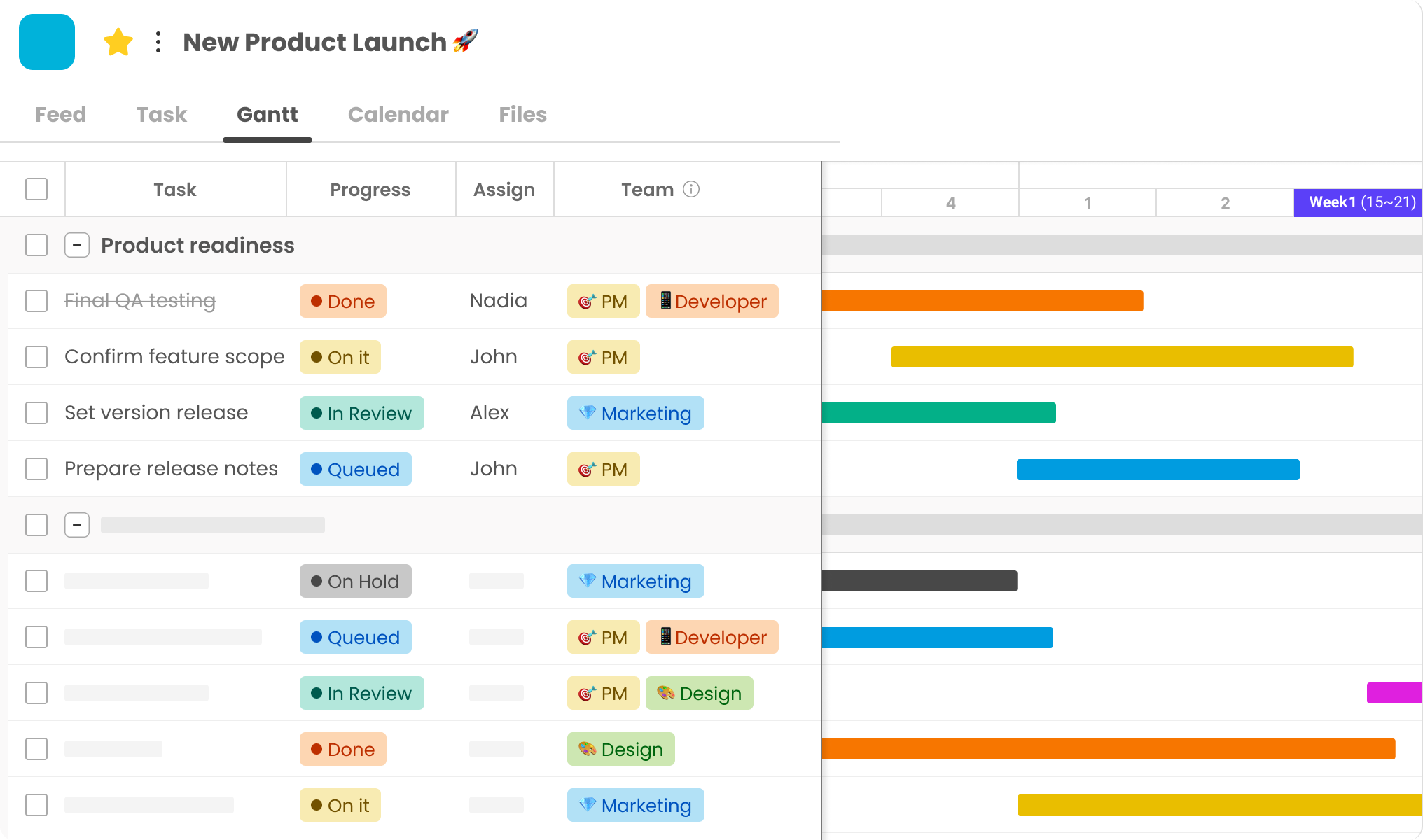
The right tools can redefine workflow effectiveness. Harnessing technology can address the common pitfalls of Productivity Theater by offering a structured and transparent workspace.
Applications designed for work management are crucial. They aid in centralizing communication, drawing clear lines between strategic tasks and peripheral activities, and providing metrics for real-time assessment. Leveraging platforms like Morningmate enables teams to streamline efforts, reveal inefficiencies, and facilitate a focus on what truly counts.
- Use dashboards to track project progress in real-time.
- Incorporate collaboration features for seamless interaction.
- Employ analytics to identify bottlenecks and optimize workflows.
By integrating these tools, teams gain better control and insight, facilitating decisions that enhance overall productivity and dismantle theatrical elements of work.
The End of Productivity Theater
As businesses move forward into 2026, the time is ripe to address and resolve the challenges posed by Productivity Theater. Engaging in a concerted effort to align activities with outcomes will yield significant benefits, both in terms of employee satisfaction and organizational success.
Remember, productivity is not about how busy we look, but about how much meaningful work we accomplish. By applying the insights and strategies outlined, your teams can foster a genuine culture of productivity, one where goals are met with purpose and focus.
Ready to transform your team’s productivity? Explore how tools like Morningmate can empower your team to focus on what truly matters, ensuring that every effort contributes to the bigger picture. It’s time to put an end to the facade and embrace genuine achievements.