A definition worth having
Work visibility is knowing who is doing what, by when, and how things are progressing — without having to ask. Asana defines it as “insight into who’s doing what by when”. Straightforward in theory. Rare in practice.
It’s distinct from transparency (which is about openness and culture) and from communication (which is about the act of sharing information). Work visibility is structural: it’s whether the current state of work is accessible to anyone who needs to see it, at any time, without generating a request.
When a manager wants to know the status of a project and can check a system to find out, work visibility is working. When they have to message someone to find out, it isn’t.
Why most teams don’t have it
Work visibility breaks down at the structural level long before it becomes a culture problem. The most common causes:
Work lives in too many places
Atlassian’s 2025 State of Teams report found that roughly half of knowledge workers say teams unknowingly work on the same things — one direct result of fragmented work infrastructure. When tasks are tracked in email, updates happen in WhatsApp, and decisions get made in meetings that aren’t documented, no single system reflects the true state of work.
No clear ownership
Visibility requires ownership. When a task doesn’t have a named owner, checking its status requires a conversation rather than a lookup. Teams that rely on shared responsibility for everything typically have shared visibility for nothing.
Status isn’t tracked structurally
Many teams have tasks and projects but no standard way to signal what’s happening with them. ‘In progress’ could mean someone started two weeks ago and is stuck, or started yesterday and is nearly done. Without structured status signals, visibility degrades into guesswork.
Communication tools are mistaken for work tools
Slack, Teams, WhatsApp, and email create the feeling of visibility — messages are flowing, people are responsive, work seems active. But activity in a chat channel tells you nothing about whether the project is on track, whether the right person is working on the right thing, or whether a deadline is at risk. This is visibility theater: the appearance of knowing what’s happening, without the substance.
What work visibility looks like when it works
When work visibility is functioning well, several things become true:
- A manager can check the status of any active project without messaging anyone.
- New team members can onboard to a project by reading what’s in the system — without needing a walkthrough.
- Deadlines at risk surface early, while there’s still time to act.
- Cross-functional partners can see what the team is working on without attending a meeting.
- Duplicate work gets caught because it shows up in the same system.
None of these require a complex tool. They require a consistent practice: work gets recorded with an owner, a status, and a due date. That’s the baseline.
Three things that create work visibility
1. A single place for work to live
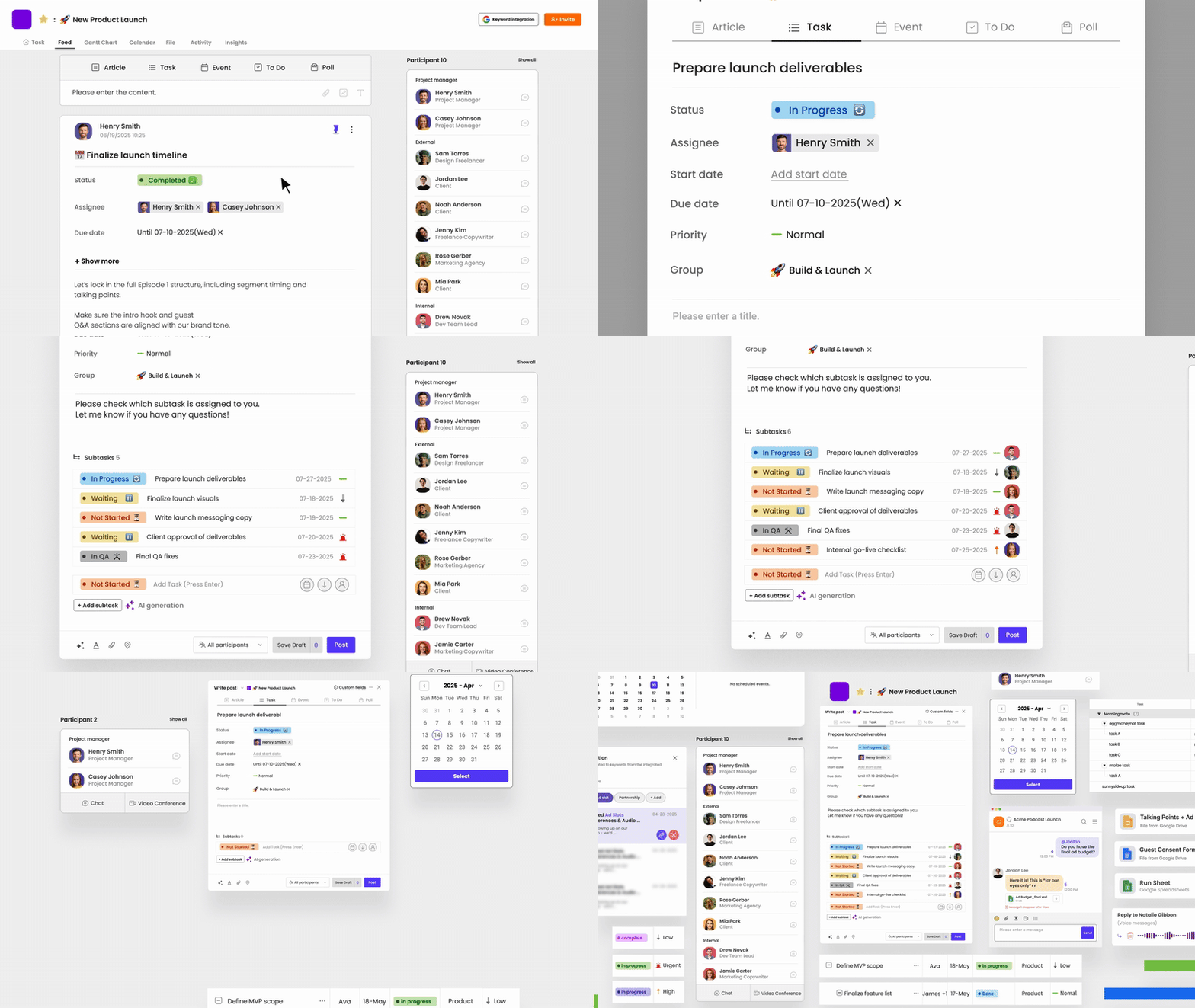
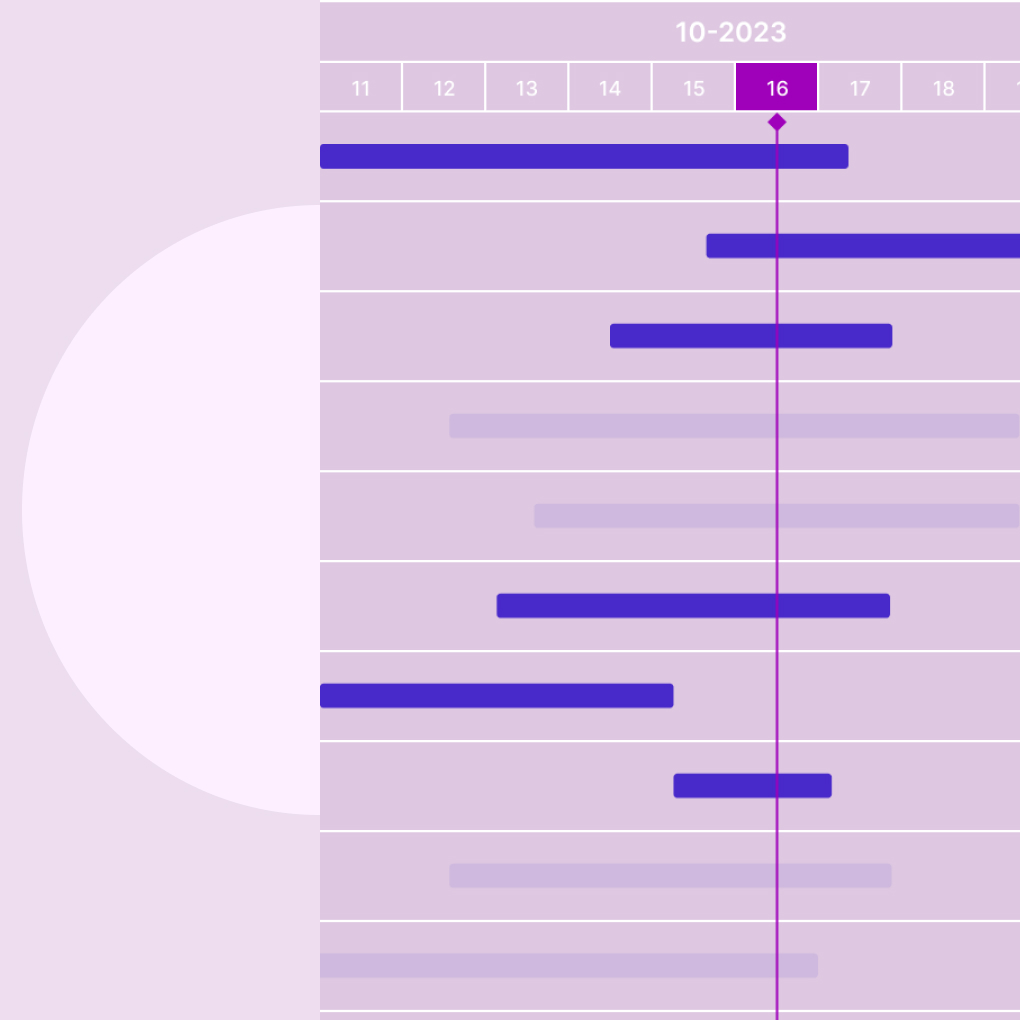
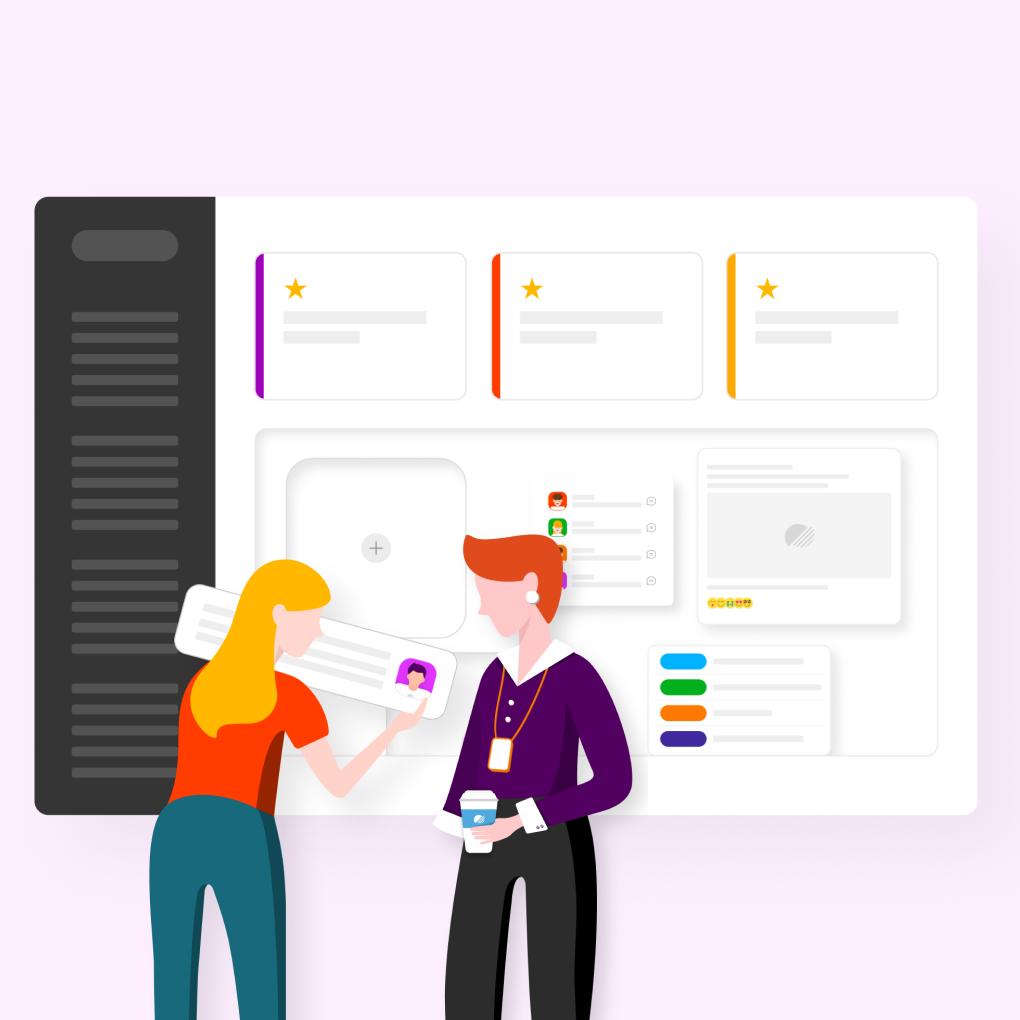
Work that happens in chat, email, and meetings simultaneously is invisible by default. When there’s one designated place — a shared task list, a project board, a work management tool — that is treated as the source of truth, visibility follows naturally. Morningmate was built around this principle: task management and team chat in a single workspace, so the conversation about work and the work itself never end up in different places. The discipline is keeping it current.
2. Structured task ownership
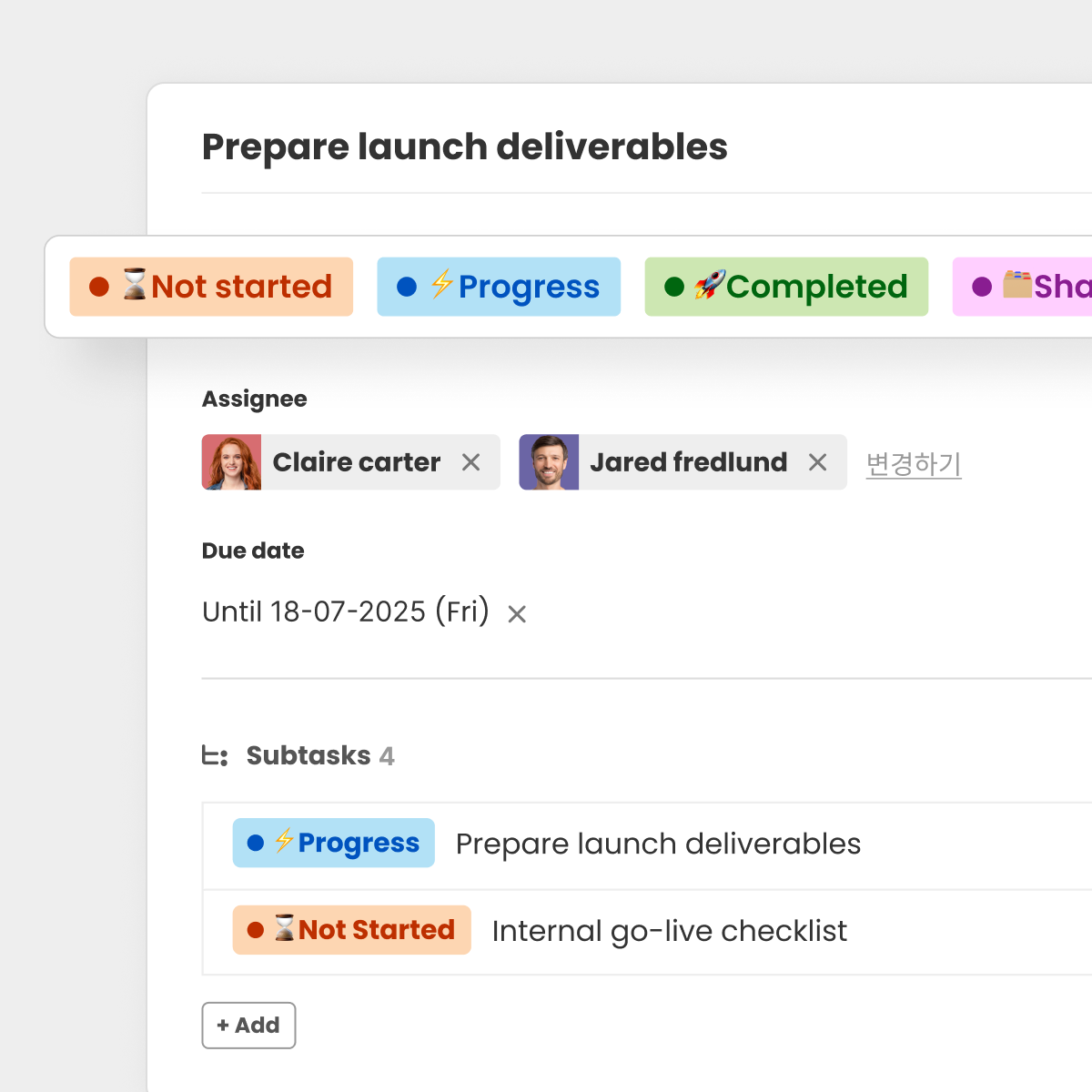
Every piece of work should have one owner. Not a team. Not a CC list. One person who is responsible for moving it forward and updating its status. When ownership is clear, visibility is clear.
3. Status that anyone can see
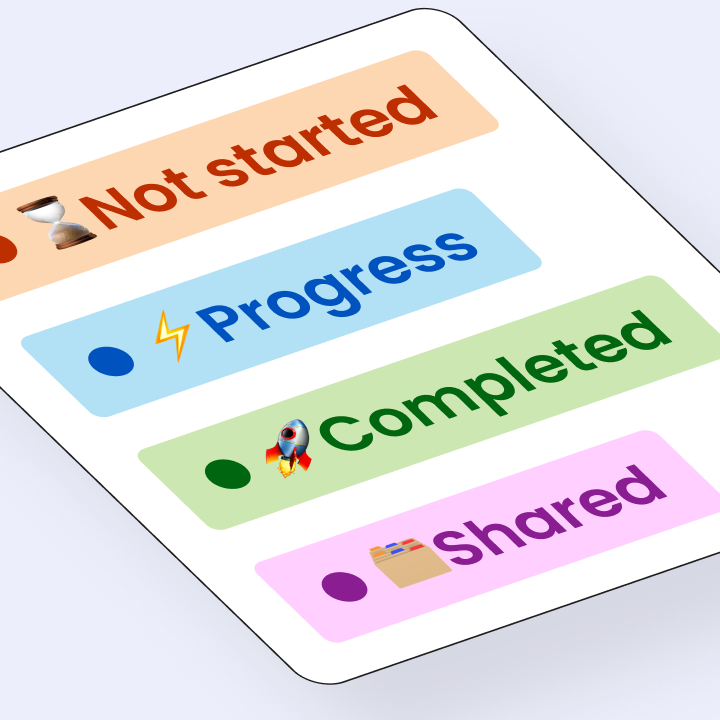
Status doesn’t need to be elaborate. A simple framework works: not started, in progress, blocked, done. What matters is that it’s updated consistently and visible to anyone who needs to check.
Visibility and trust are not the same thing
One important distinction: work visibility is about systems, not surveillance. Asking employees to update task status in a shared tool is structurally different from monitoring their screen time, tracking their active hours, or requiring constant check-ins.
Visibility through structure — where work is recorded and accessible — builds trust because it replaces the need for anxiety-driven oversight. When a manager can see progress in the system, they don’t need to ask. When employees can see what everyone else is working on, there’s less duplication and more coordination. Everyone benefits.
The alternative — where work is invisible and managers compensate with meetings and messages — creates the conditions for micromanagement, not just its symptoms.
The bottom line
Work visibility is not a software feature. It’s an organizational practice: the habit of making work legible to everyone who needs to see it, without requiring a conversation to surface it.
Teams that build this practice find that status meetings get shorter, check-in messages get rarer, and coordination gets easier — not because everyone communicates more, but because the system answers questions before they’re asked.
Where work becomes visible, collaboration becomes simple. That’s not a slogan. It’s a description of what good looks like.