
The modern workplace is constantly evolving, and with it, the tools we use for communication. Email, once the cornerstone of both external and internal communication, is now often seen as cumbersome and inefficient, particularly for internal communications within organizations. The need for more dynamic and efficient solutions is apparent, leading many businesses to explore alternatives to traditional email systems for their internal communication needs.
Relying heavily on email can slow down decision-making processes, create clutter, and lead to miscommunications. As businesses look to streamline operations and improve collaboration, finding an effective email alternative for internal communication is becoming a priority. Whether through instant messaging platforms, project management tools, or comprehensive work management systems like Morningmate, choosing the right solution can significantly impact productivity and team dynamics.
In this article, we will explore various email alternatives for internal communication, highlighting their benefits, use cases, and how they can be effectively integrated into a business’s communication strategy. Our goal is to guide you in finding the right tools to enhance your team’s efficiency and overall communication within your organization.
The Limitations of Email for Internal Communication
Email has long been a reliable tool for business communications; however, its limitations are becoming increasingly evident. One significant drawback is the lack of immediacy. Unlike instant messaging or real-time collaboration tools, emails often flow slowly, leading to delays in response times and decision-making processes.
Another limitation is the potential for overwhelming email volumes that can lead to information overload. When important messages are buried under irrelevant threads and excessive notifications, it becomes challenging to keep track of critical tasks and conversations.
- Sluggish response times compared to instant messaging
- Information overload from excessive emails
- Difficult to manage threads and maintain context
These limitations often hinder the efficiency of team communications, prompting organizations to seek alternatives that offer more streamlined and effective interaction.
Exploring Email Alternatives
To address the shortcomings of email, several alternatives have emerged, each offering unique features tailored to enhance internal communication. Let’s delve into some of the most popular options businesses are adopting today.
Instant Messaging Platforms
Platforms like Slack and Microsoft Teams have become ubiquitous in modern workplaces. They facilitate real-time communication through chat channels and direct messaging, allowing for immediate responses and continuous flow of information.
- Real-time communication minimizes response delays
- Chat channels organize discussions by topic or project
- Integration with other tools enhances functionality
Instant messaging platforms improve transparency and encourage team collaboration, making them ideal replacements for email when it comes to day-to-day internal communications.
Project Management Tools
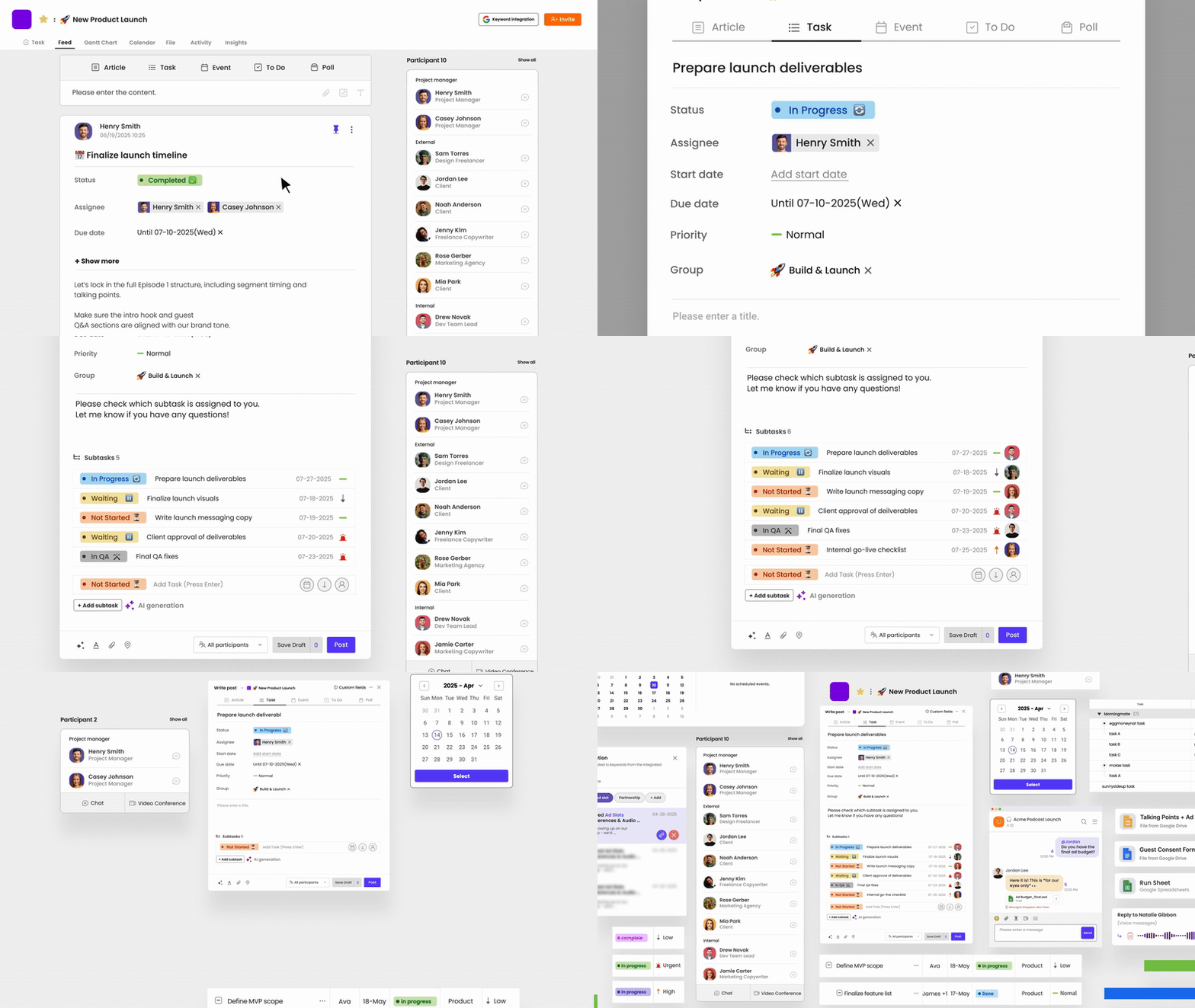
Tools such as Asana, Trello, and Morningmate provide functionalities that go beyond simple communication. They allow teams to organize, prioritize, and track their tasks and projects, linking communication directly to the work being done.
- Task assignments and tracking improve accountability
- Visibility into project progress fosters team alignment
- Built-in messaging keeps conversation contextual
By integrating project management with communication, these tools help teams maintain focus and streamline their collaborative efforts. A soft CTA: Discover how Morningmate can revolutionize your internal communication while optimizing project management.
Key Considerations When Choosing an Email Alternative
Selecting an email alternative for internal communication requires careful consideration of several factors to ensure the chosen tool meets the unique needs of your organization. Here are some critical elements to evaluate:
- Usability: The platform should be user-friendly and intuitive, minimizing the learning curve for your team.
- Integration: Ensure compatibility with existing tools and systems to streamline workflows.
- Scalability: The solution should be able to grow with your business needs, accommodating increases in team size and complexity.
- Security: Data protection should be a priority, ensuring that sensitive communications remain confidential and secure.
Choosing the right tool can foster better communication and collaboration, leading to increased productivity and improved organizational outcomes.
Integrating Alternatives Into Your Communication Strategy
Successfully integrating a new communication tool involves more than just selecting the right platform. It requires thoughtful planning and execution to ensure it meets the intended objectives and is embraced by your team.
Developing an Implementation Plan
Start by developing a clear implementation plan that outlines the steps for transitioning away from email to the chosen alternative. This includes setting timeline expectations, allocating resources, and defining clear goals and metrics for success.
- Communicate the rationale and benefits to your team
- Provide comprehensive training to ensure widespread adoption
- Monitor and adjust the strategy based on feedback and performance
Effective planning and clear communication can alleviate resistance and ensure a smoother transition.
Encouraging Adoption and Engagement
Encouraging your team to actively engage with the new tool is essential for its success. Provide incentives for early adopters and create a feedback loop to continuously improve the user experience.
- Recognize and reward teams or individuals for adopting the new system
- Promote sharing of success stories to motivate others
- Regularly collect feedback to identify and resolve issues
Strong user engagement can transform how effectively a new email alternative is utilized, leading to a more cohesive and collaborative team environment.
Transforming Internal Communication With the Right Tools
The shift from email to more dynamic forms of internal communication is not just a trend; it’s a necessity for modern organizations aiming to improve efficiency and connectivity. By embracing alternatives like instant messaging platforms and project management tools, businesses can foster a more agile and responsive culture.
Ultimately, the key is finding the right mix of tools that align with your organizational goals and team dynamics. As you explore various options, consider how they integrate with existing processes and enhance collaboration.