
Tracking team workload across projects can pose a significant challenge for managers striving to optimize team performance while maintaining a healthy work-life balance. As organizations increasingly manage multiple projects simultaneously, understanding and efficiently distributing workloads becomes crucial. Fortunately, with effective strategies and the right tools, it’s possible to track team workload across projects effectively.
In this guide, we explore various methods to help you stay on top of your team’s workload. From using comprehensive software tools to embracing time-tested management principles, tracking workload can boost morale and productivity. Our focus will be on practical, realistic strategies you can implement today to drive success in your projects.
Understanding the Importance of Workload Management
For any business, especially in the B2B SaaS sector, maintaining an even workload distribution among team members is crucial. It ensures no single person is overwhelmed, which can lead to burnout and decreased productivity. Moreover, effective workload tracking across projects facilitates better collaboration and resource allocation, ultimately driving organizational success.
Tracking workload helps in identifying bottlenecks early, allowing managers to reallocate resources before small issues become significant problems. It also provides a clear overview of where resources are being spent, aiding in strategic decision-making and forecasting.
Utilizing Work Management Tools
Work management tools like Morningmate play an indispensable role in tracking workloads effectively. These platforms allow managers to view real-time data on individual contributions and project statuses. With insights at your fingertips, you can make informed decisions, ensuring a fair distribution of tasks.
Moreover, features such as automated notifications and task reminders keep teams aligned and on schedule. Consider exploring Morningmate to manage your team’s workload seamlessly.
Features to Look For
When choosing a work management tool, ensure it has features that support workload tracking across projects. Look for capabilities such as:
- Real-time dashboards for task progress monitoring
- Automated workload distribution algorithms
- Compatibility with other project management tools
Implementing a Structured Tracking System
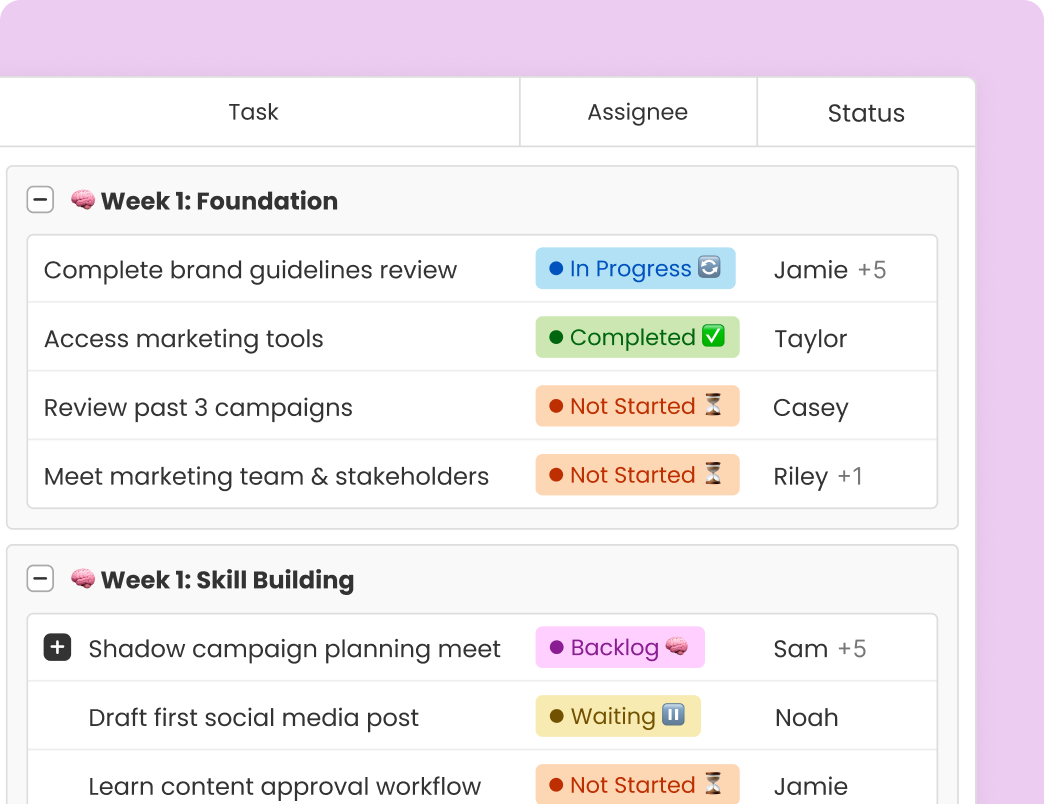
A structured approach to tracking workloads involves setting up a detailed tracking system. This system should outline each project’s requirements and allocate tasks based on team members’ skills and availability. Consider using Gantt charts or Kanban boards to visualize workloads effectively.
Regular check-ins and progress reviews ensure your tracking system remains accurate. This approach promotes accountability and enables timely adjustments to task allocations.
Step-by-Step Implementation Guide
- Define project goals and tasks clearly
- Assign tasks based on skills and workload capacity
- Use visual tools to map out project timelines
- Conduct weekly reviews to assess progress and make necessary adjustments
Effective Communication Strategies
Communication is key to managing workloads effectively. Regular team meetings, open forums, and feedback sessions can reveal potential workload issues before they become significant. Encourage an environment of transparency where team members feel comfortable discussing their workloads and any challenges they face.
Additionally, using communication tools integrated with your workload management system can streamline updates and keep all team members on the same page.
Building a Feedback Loop
Create a culture where feedback is actively encouraged and rapidly addressed. This ensures everyone is aligned and any imbalances in workload distribution can be swiftly corrected, leading to improved team cohesion and output.
Using Data Analytics for Load Balancing
Leveraging data analytics can help predict workload demands and allocate resources more effectively. Analytical tools offer insights into productivity patterns and project timelines, helping managers make data-driven decisions to optimize workloads.
Data not only provides current workload insights but also helps in forecasting future project demands, ensuring sustained team performance across projects.
Key Metrics to Track
- Task completion rates
- Time spent on tasks
- Employee workload variance
The Role of AI and Automation
In the era of advanced technology, AI and automation play a pivotal role in workload management. Automated systems can anticipate workflow needs and adjust allocations dynamically, freeing up valuable time for managers and ensuring optimal productivity levels.
AI-driven insights can also highlight areas for growth and improvement, helping teams to constantly evolve and adapt to new challenges.
Conclusion: Implementing Effective Workload Tracking
Tracking team workload across projects requires a strategic approach backed by the right tools and methodologies. By implementing structured tracking systems, fostering open communication, leveraging data analytics, and utilizing advanced technologies, businesses can ensure that workloads are balanced and projects are completed efficiently.
For those looking to optimize their project management efforts, Morningmate offers comprehensive solutions designed to enhance workload tracking and resource management. Explore how our platform can help your team achieve more, with less effort.