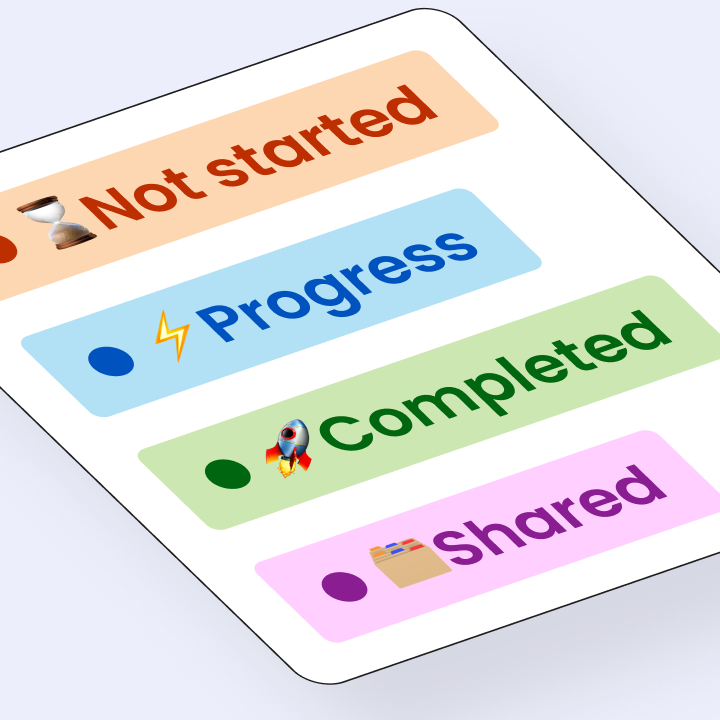
We invested in three different collaboration tools over the years. Not counting the ones we tried for a few weeks before quietly abandoning them.
The first time, we bought into something comprehensive. It had every feature. Gantt charts. Resource allocation. Beautiful dashboards. We ran a training session. We sent the link. We told everyone this was the new way.
Six weeks later, people were back on WhatsApp.
The second time, we were more deliberate. We picked something simpler. We ran proper onboarding. We appointed an internal champion. We had executive buy-in. We launched with momentum.
Three months later, usage had dropped by 70% and the tool was effectively dead.
The third time, we finally understood what was actually going wrong. And it wasn’t the tool.
The Real Reason Change Fails
There’s a researcher at Harvard Business School named Amy Edmondson who’s spent years studying why organizations struggle to change. Her conclusion, broadly, is that the obstacle isn’t information, and it’s not capability. It’s fear.
Not dramatic fear. Quiet fear.
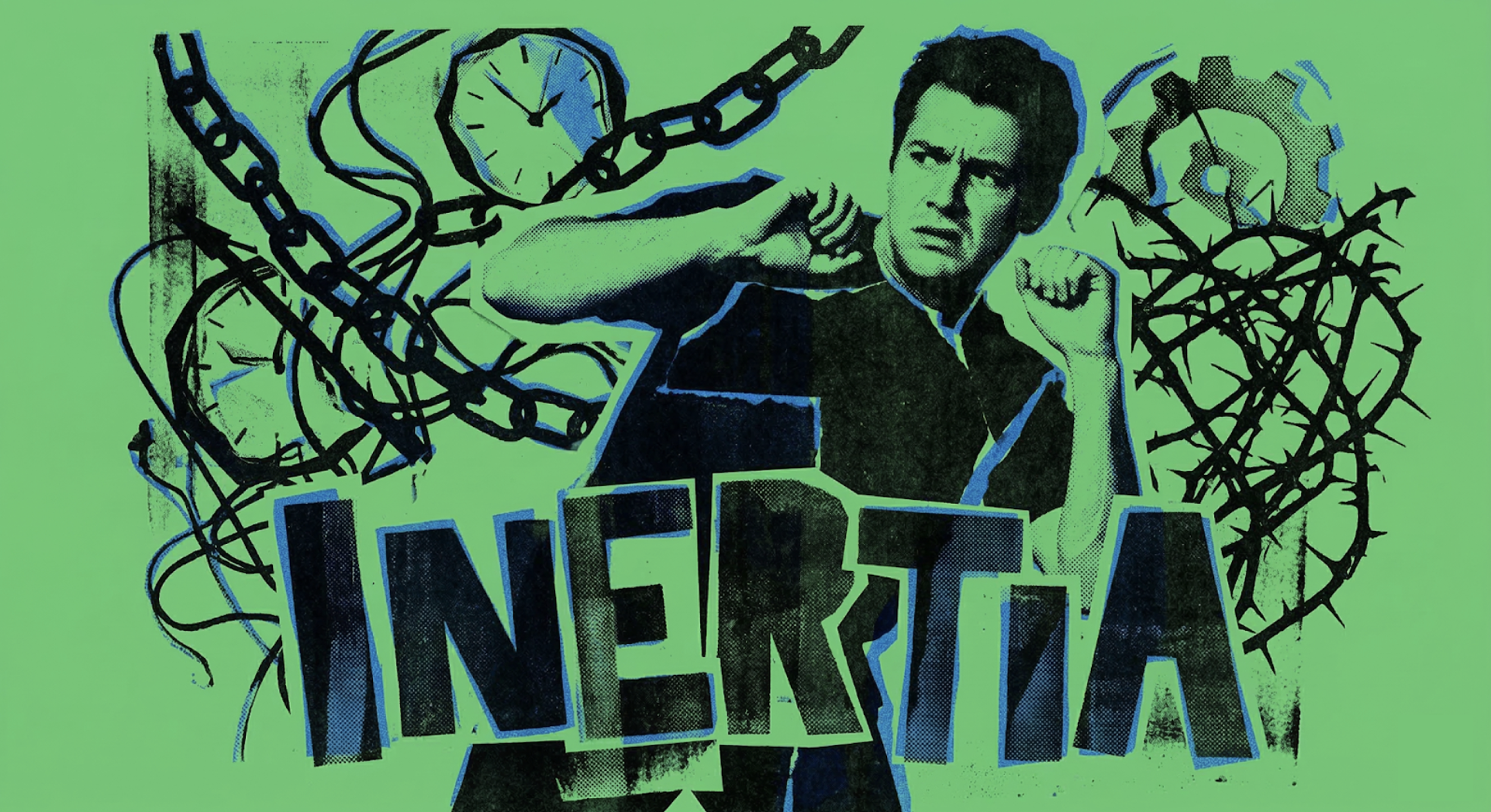
This fear shows up as inertia. “The old way works fine.” “I don’t have time to learn this right now.” “We tried something like this before.” “Let’s just keep using WhatsApp for now.”
These are rationalizations. The underlying feeling is just discomfort with change. And discomfort with change is universal. It’s not a flaw in your team. It’s human.
What Doesn’t Work
Before getting to what does work, it’s worth being honest about the interventions that almost never work.
| Approach | Why It Feels Like It Should Work | Why It Usually Fails |
| Mandating adoption | Clear, simple, top-down | Generates compliance for 2 weeks, then slow drift back |
| Training sessions alone | People understand the tool | Knowledge doesn’t automatically become habit |
| “We’ll figure it out as we go” | Low friction, flexible | Without clear agreements, people default to familiar patterns |
| Assigning an “internal champion” | Creates local ownership | Champion alone can’t override leadership behavior |
| Buying a better tool | New tool, new start | Same structure, same outcomes |
Mandating adoption rarely works. Telling a team “you must use this system from Monday” generates compliance for a week or two, then a slow drift back to old habits. The mandate doesn’t change the underlying preference — it just suppresses it temporarily.
Training sessions rarely work on their own. People can sit through a demonstration and understand how something works without developing the habit of using it.
The “we’ll figure it out” approach almost never works. A tool is deployed, people are told to use it, and the expectation is that everyone will self-organize. They won’t. Without clear agreements about what goes where, people default to familiar patterns.
The common thread: treating adoption as a one-time event rather than a change management process.
Strategy 1: Start With the Most Painful Problem
The single most effective approach I’ve seen is deceptively simple. Don’t try to change everything at once. Find the team that is most visibly suffering from the current way of working, and fix their specific problem first.

When one team experiences a genuine improvement — when the handover actually works, when the photos are findable, when the three stores are on the same page — that story travels. People hear about it from a colleague they trust, not from a manager telling them to adopt a new system.
The credibility of peer experience is completely different from the credibility of a top-down mandate.
Strategy 2: Make the Benefit Personal
The other thing that consistently works is making the value proposition personal, not organizational.
Leaders often frame adoption in terms of what’s good for the company. Better visibility. Improved efficiency. Reduced miscommunication. These are real benefits, but they’re abstract to someone who just wants to get through their day.
“The message that lands isn’t ‘this is good for the company.’ It’s ‘this means fewer messages in your evening.'”
| Organizational framing (doesn’t land) | Personal framing (lands) |
| “Improves cross-team visibility” | “You’ll stop getting called about things you already finished” |
| “Reduces miscommunication” | “You won’t have to redo work because someone got the wrong brief” |
| “Increases operational efficiency” | “Your Friday afternoons stop being catch-up marathons” |
| “Enhances accountability” | “When something is clearly yours, nobody else muddles it” |
| “Centralizes information” | “You’ll find things in 10 seconds instead of asking three people” |
One thing that genuinely works is addressing the surveillance concern directly. When employees see that work is being made visible in a shared system, a common instinct is to feel monitored. This needs to be addressed explicitly, not hoped away.
The framing that works: this isn’t about checking up on you. It’s about making sure nothing gets lost between people. It’s so that when something is yours, it’s clearly yours — and when something isn’t your problem, that’s visible too.
Transparency, when it’s genuinely bidirectional — when leadership is as visible in the system as everyone else — feels different from surveillance. It feels like a shared operating picture.
Strategy 3: The Leader Has to Go First
This is the one that probably matters most. And it’s the one that most leaders underestimate.

In every case where I’ve seen a new way of working genuinely stick, the senior person was using the system themselves. Visibly. Consistently. Not just endorsing it from a distance, but actually putting their tasks in there, updating their own status, giving feedback inside the tool rather than via a separate email.
And in every case where adoption failed, you could usually trace it back to a point where the leader quietly stopped using it. Once that happens, the signal to the team is clear: this isn’t actually how we work. This is how we’re supposed to say we work.
People follow behavior. They don’t follow policy.
Strategy 4: Make the Rules Simple and Clear
One reason people default to WhatsApp isn’t because it’s better. It’s because the rule is clear: everything goes here. When you introduce a new tool without equally clear rules, you’re asking people to make a judgment call every time they want to communicate or track something. That cognitive overhead is exhausting.
| Decision | Agreement Needed |
| Where do tasks live? | One named system — not “wherever makes sense” |
| How do we signal something is stuck? | Specific status label, not a vague message |
| How do we notify someone work is ready? | Tag in the system, not a separate WhatsApp |
| What goes in the tool vs. a message? | Decisions and tasks → tool. Quick questions → message. |
| How often do we update status? | Daily, before end of day — not whenever |
These agreements don’t need to be elaborate. They just need to exist and be consistent. Once they do, the friction of using the new system drops dramatically.
The Long Game
I want to end with something honest. Changing how a team works takes longer than most people expect. Even with good leadership, good tools, and clear agreements, the first month is usually rough. Old habits are persistent. People forget. They revert.

The businesses that get through the dip — the ones where the change genuinely sticks — are the ones that treat the first few months as the hard part and don’t give up on it. They notice when things slip and address it without drama. They reinforce the new behavior when they see it.
What comes out the other side is a team that works differently. Not just with better tools — but with a fundamentally different relationship to information, accountability, and their own time.
The work becomes more visible. The wins become more visible too. People start to notice what they’ve actually accomplished in a week rather than just feeling like they ran fast on a treadmill and ended up in the same place.
That shift is available to any business, at any size. It just requires being honest about what’s broken, making a few deliberate decisions, and having the consistency to follow through.
The Series in One View
You’ve made it through all five. Here’s the full picture in one place.
| Article | Core Problem | What To Do About It |
| 1. Why your team is busy but nothing gets done | Busyness ≠ productivity. Coordination tax grows with team size. | Acknowledge it’s structural, not a people problem. |
| 2. The alignment problem nobody talks about | 85% of employees can’t name company goals. Teams optimize locally. | Give context, not just instructions. Create shared visibility. |
| 3. The 60% problem | Only 40% of work time goes to actual work. Rest is overhead. | One place where work lives. Visible status. Kill redundant reports. |
| 4. What AI actually does | AI amplifies existing systems — good or bad. | Fix structure first. Then AI multiplies what’s working. |
| 5. Why change fails | Fear, inertia, and leaders who don’t go first. | Start small. Make it personal. Leader goes first. Clear rules. |
The through-line in all five pieces is the same: the way most small businesses work right now wasn’t designed for coordination. It was designed for individual communication. And that gap — between how information flows and how decisions get made — is where most of the frustration, inefficiency, and missed opportunity lives.
The good news is that it’s fixable. Not with a massive investment or a transformation project. With a few deliberate decisions, held consistently, by a leader who’s willing to go first.
This is the final piece in a 5-part series on how work is changing in the age of AI. If any of this was useful, share it with someone who’s running a small team and quietly struggling with the same problems.
Morningmate was built by people who spent a decade watching small businesses fight these battles. If you’re ready to try a different way of working — one place for work, visible to everyone, simple enough that your team will actually use it — start free at morningmate.com.