Accountability rarely breaks down because teams don’t care about results. More often, it disappears when task ownership is unclear. When no one knows who is responsible for what, deadlines slip, work gets duplicated, and important tasks fall through the cracks.
Clear task ownership creates structure. It defines responsibility, removes ambiguity, and gives team members confidence in how their work contributes to shared goals. Without it, teams rely on assumptions, informal handoffs, or constant follow-ups—none of which scale well as workloads increase.
This article explores why teams lose accountability when task ownership isn’t clearly defined and outlines practical frameworks to fix it. By establishing clear responsibility and supporting it with the right processes and tools, teams can build a culture of ownership, trust, and consistent execution.
The Importance of Clear Task Ownership
Clear task ownership is foundational for team accountability. When each team member knows their specific responsibilities, it helps streamline processes and clarifies expectations. This clarity reduces ambivalence, giving direction and purpose to individual and collective efforts.
Without designated task ownership, teams risk functionality and effectiveness. Ambiguity leads to procrastination as employees are unsure of their roles. In some cases, essential tasks may be neglected entirely, affecting project outcomes and team dynamics.
A systematic approach to assigning task ownership can eliminate these risks and ensure that every team member contributes effectively to the team’s objectives. Consider implementing Morningmate, which facilitates task assignment and ownership through intuitive tools and features.
Signs of Poor Task Accountability
Identifying signs of poor task accountability early can help prevent larger issues. Teams with unclear task ownership often exhibit specific challenges, which can undermine their overall efficiency and morale.
Some common signs include frequent missed deadlines, repeated mistakes, and a lack of initiative. Additionally, when team members express confusion about roles or responsibilities, it indicates that task distribution needs reassessment.
To address these signs, management should reassess the distribution of tasks and ensure that each role has clearly defined responsibilities and outcomes. Regular check-ins and feedback sessions also help maintain accountability.
Developing a Framework for Task Ownership
Creating a structured framework for task ownership is essential for sustainable team performance. Follow these steps to establish a strong foundation for accountability within your team:
- Define roles and responsibilities clearly from the outset.
- Use tools like Morningmate to track tasks and deadlines.
- Establish regular check-ins to monitor progress and realign tasks as needed.
- Encourage open communication to resolve ambiguities promptly.
A structured approach reduces confusion and streamlines project execution, ensuring that tasks are completed efficiently and effectively.
Supporting Task Ownership with Technology
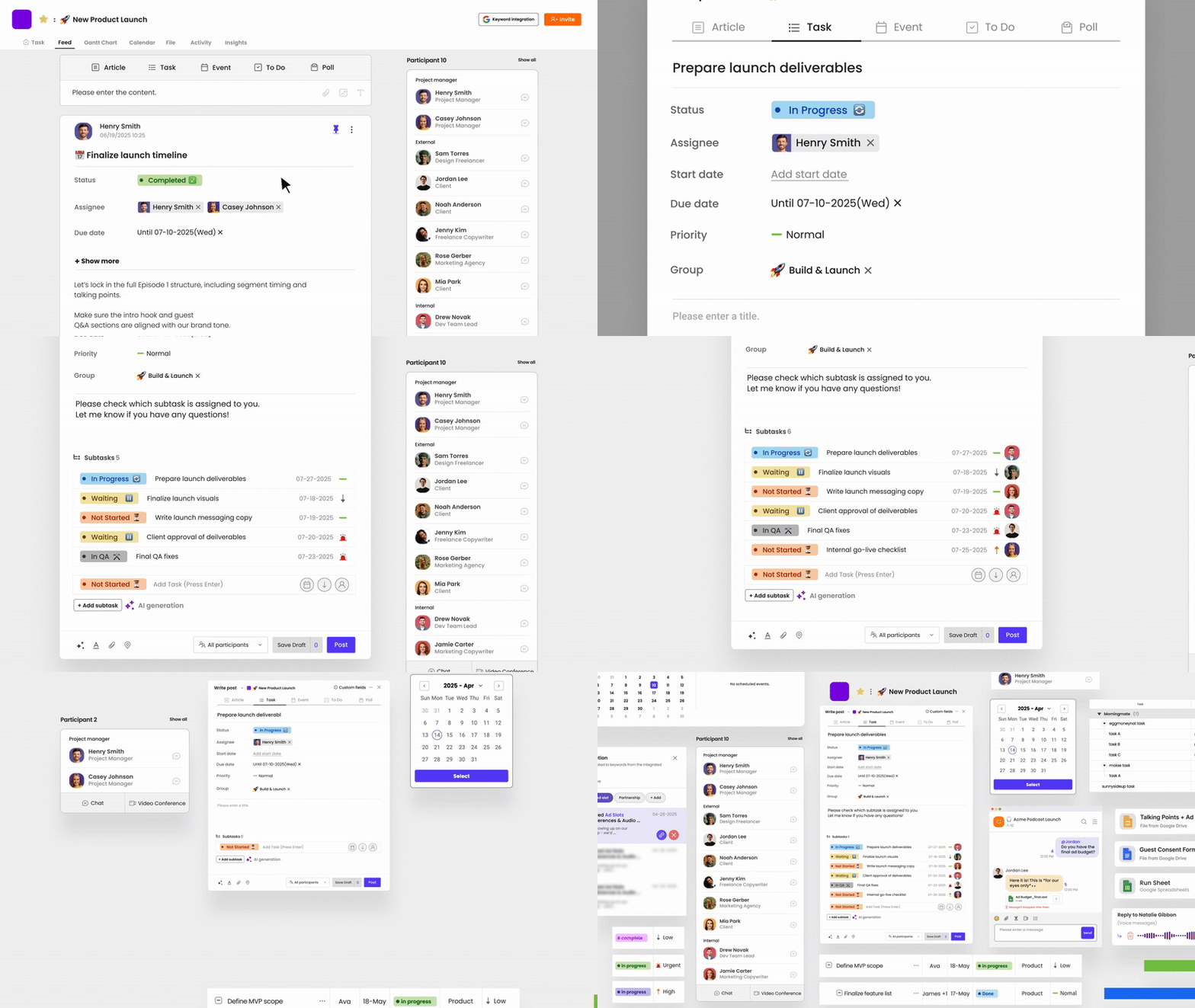
Technology plays a pivotal role in supporting task ownership. Digital tools can automate and visualize tasks, enhancing transparency and accountability. By leveraging these tools, teams can focus more on strategic initiatives while maintaining clear accountability for tasks.
For instance, task management software like Morningmate provides a centralized platform for tracking assignments and deadlines. This transparency ensures everyone knows who is responsible for what, fostering a culture of accountability.
- Automate notifications and reminders for task deadlines.
- Utilize dashboards for quick visual status updates.
- Integrate communication tools for seamless collaboration.
Real-World Examples of Task Ownership Success
Several organizations highlight the benefits of clear task ownership. For example, a marketing firm implemented task management systems, drastically reducing project delivery times and improving client satisfaction. Their approach emphasized clear roles and regular accountability checks, which improved collaboration and mutual trust.
Another example is a software development company that mandated daily stand-up meetings, ensuring every team member was aligned and accountable for their tasks. This practice not only increased transparency but also encouraged proactive problem-solving among team members.
These examples demonstrate that when task ownership is prioritized, it leads to superior outcomes and a motivated workforce.
Checklist for Enhancing Task Ownership
Enhancing task ownership is an ongoing effort requiring thoughtful strategies. Use this checklist to ensure your team is aligned and accountable:
- Clearly define and communicate task responsibilities.
- Ensure tasks are manageable and suited to individual skills.
- Facilitate regular feedback sessions for continuous improvement.
- Foster a culture of accountability through recognition and encouragement.
Regularly revisiting these steps ensures that task ownership remains strong and effective within your team, ultimately driving success and satisfaction.
Getting Started with Morningmate for Better Task Ownership
Improving task ownership doesn’t have to be daunting. Tools like Morningmate simplify this process by providing robust solutions for streamlined task management and accountability.
By utilizing Morningmate, teams can clarify roles, track progress, and maintain clear communication, enhancing overall productivity and effectiveness. Leverage Morningmate‘s capabilities to transform your task management approach and create a more accountable and efficient team.
Equip your team with the right tools and frameworks to succeed in 2026 and beyond. Start today and witness the transformative power of clear task ownership and enhanced accountability.