Many teams rely on task lists to stay organized. Writing things down and checking them off feels productive, and for simple personal workflows, it often is. But as work becomes more collaborative, time-sensitive, and interconnected, task lists alone start to fall short.
Task lists show what needs to be done—but they don’t show progress, ownership, dependencies, or delays. Task tracking, on the other hand, provides visibility into how work actually moves: who is responsible, where tasks are getting stuck, and what’s affecting timelines. That visibility is what enables teams to improve efficiency instead of simply reacting to problems after they happen.
This article explains why task tracking matters more than traditional task lists, especially for growing teams. By understanding the limitations of task lists and the advantages of tracking work in real time, teams can move beyond surface-level productivity and manage work more strategically.
The Limitations of Traditional Task Lists
Many teams start with simple to-do lists to manage their tasks, but soon encounter limitations that impede productivity. Traditional task lists lack the ability to provide context or progress tracking, leading to misunderstandings and miscommunications. Without time estimation or priority settings, tasks often fall through the cracks, hindering overall progress.
Task lists also fail to highlight dependencies and potential bottlenecks. This can lead to delayed deadlines and frustrated team members who are unsure about task statuses. As a result, merely checking off tasks becomes a mechanical process rather than a strategic management practice.
Why Task Tracking is Essential
Task tracking provides an overarching view of the task lifecycle, offering transparency and accountability that task lists simply cannot match. By incorporating task tracking, teams gain the ability to monitor progress in real-time, ensuring that no task is overlooked and deadlines are met efficiently.
One of the primary benefits of task tracking is identifying trends and patterns. This enables managers to allocate resources more effectively and predict potential challenges before they escalate. Task tracking also allows teams to measure productivity and adjust processes swiftly to optimize outcomes.
Enhanced Team Collaboration
With task tracking, teams collaborate more effectively as they have clear visibility of each member’s workload and progress. This alignment fosters a sense of ownership and accountability, empowering individuals to take initiative and drive projects forward.
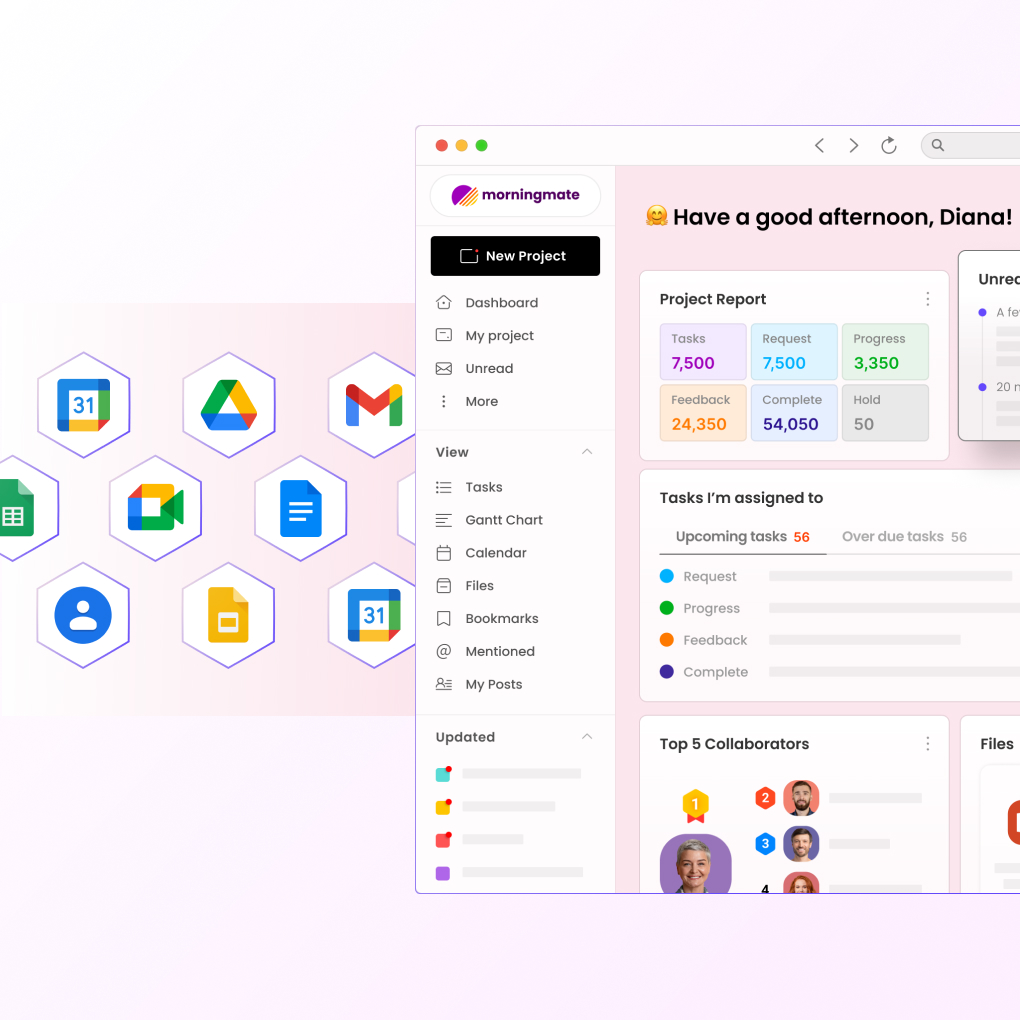
If you’re looking to enhance collaboration within your team, consider exploring work management tools like Morningmate, which seamlessly integrate task tracking functionalities. Doing so will ensure your team is always in sync and working towards common objectives.
Implementing Task Tracking
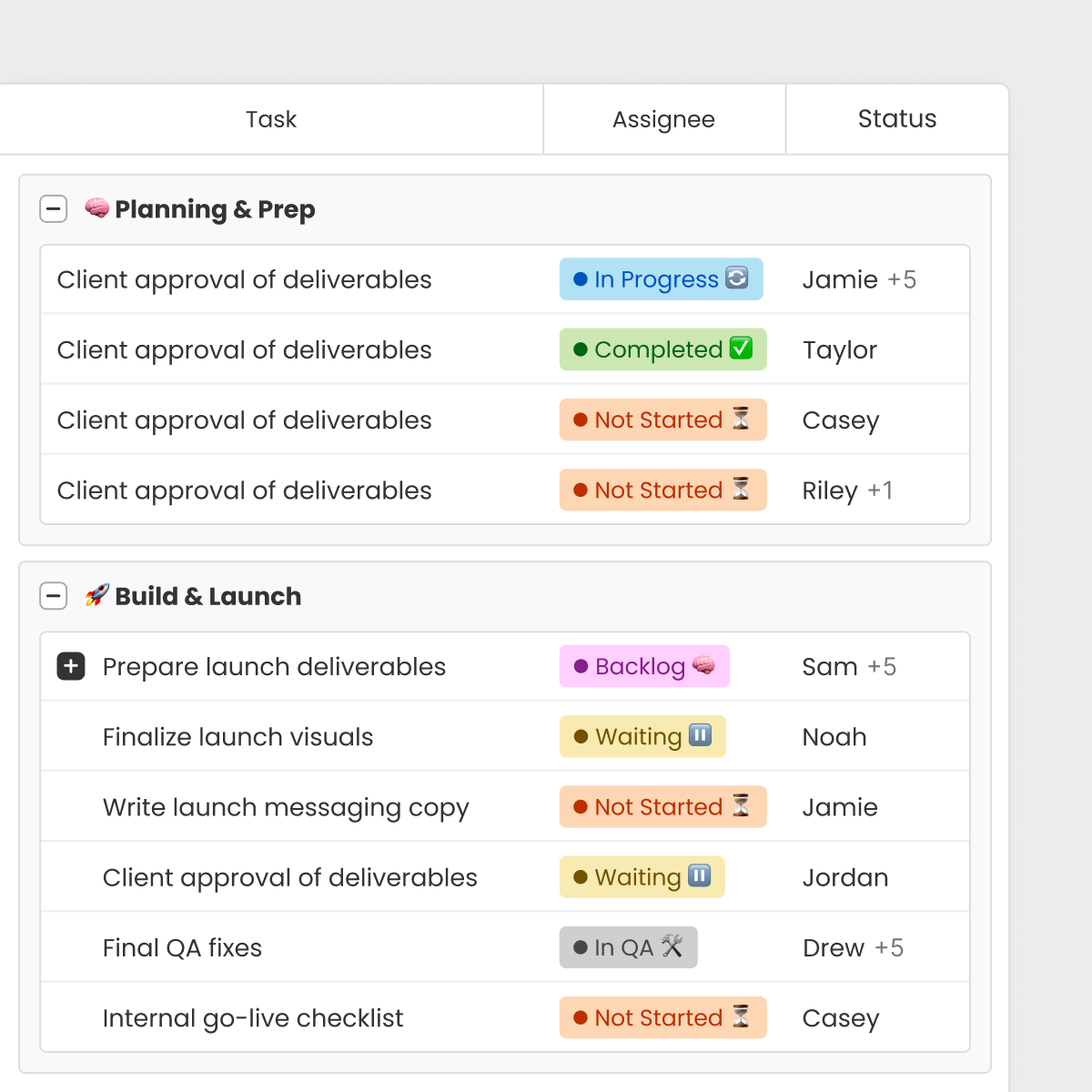
To effectively implement task tracking, it’s essential to choose the right tools and strategies. Here’s a step-by-step guide to get started:
- Evaluate your current process: Identify the limitations of your existing task management system.
- Select a robust tool: Opt for a platform that offers comprehensive task tracking features.
- Define clear roles and responsibilities: Ensure that each team member understands their tasks and timelines.
- Establish priorities and deadlines: Use the tracking tool to set and adjust deadlines as necessary.
- Regularly review and adjust: Continuously analyze task data to make informed decisions and improve processes.
Overcoming Common Challenges
As with any new system, implementing task tracking can present challenges. Common issues include resistance to change and difficulty in maintaining accurate data. To overcome these, focus on training and demonstrate the tangible benefits of task tracking to all stakeholders.
Additionally, ensure that the chosen tracking tool is user-friendly and integrates seamlessly with existing workflows. The less friction there is in adopting the new system, the more likely it is to be embraced by your team.
Embracing the Future of Work Management
In 2026, staying ahead in the competitive B2B landscape requires more than just keeping a list of tasks. Task tracking represents the future of efficient work management, offering insights that are crucial for growth and success. By enhancing communication, improving resource allocation, and providing real-time progress updates, task tracking transforms how teams operate.
Ready to elevate your team’s productivity and efficiency? Explore Morningmate‘s work management solutions today. By integrating robust task tracking functionalities, you can ensure your team is always aligned, accountable, and working toward common goals.