
Most teams don’t intentionally manage work across five different tools — it just happens. A task starts in email, gets discussed in chat, tracked in a spreadsheet, and mentioned again in a meeting. Everyone feels busy, yet no one has a clear picture of what’s actually moving forward.
This fragmentation creates a hidden operational cost. Time is lost chasing updates, work is duplicated because context is missing, and decisions are delayed simply because information lives in too many places. The question “Where does this stand?” becomes a daily interruption.
Without a central task management system, teams lack a shared view of ownership, priorities, and progress. Each person may feel organized in their own workflow, but collectively the team operates without alignment or accountability.
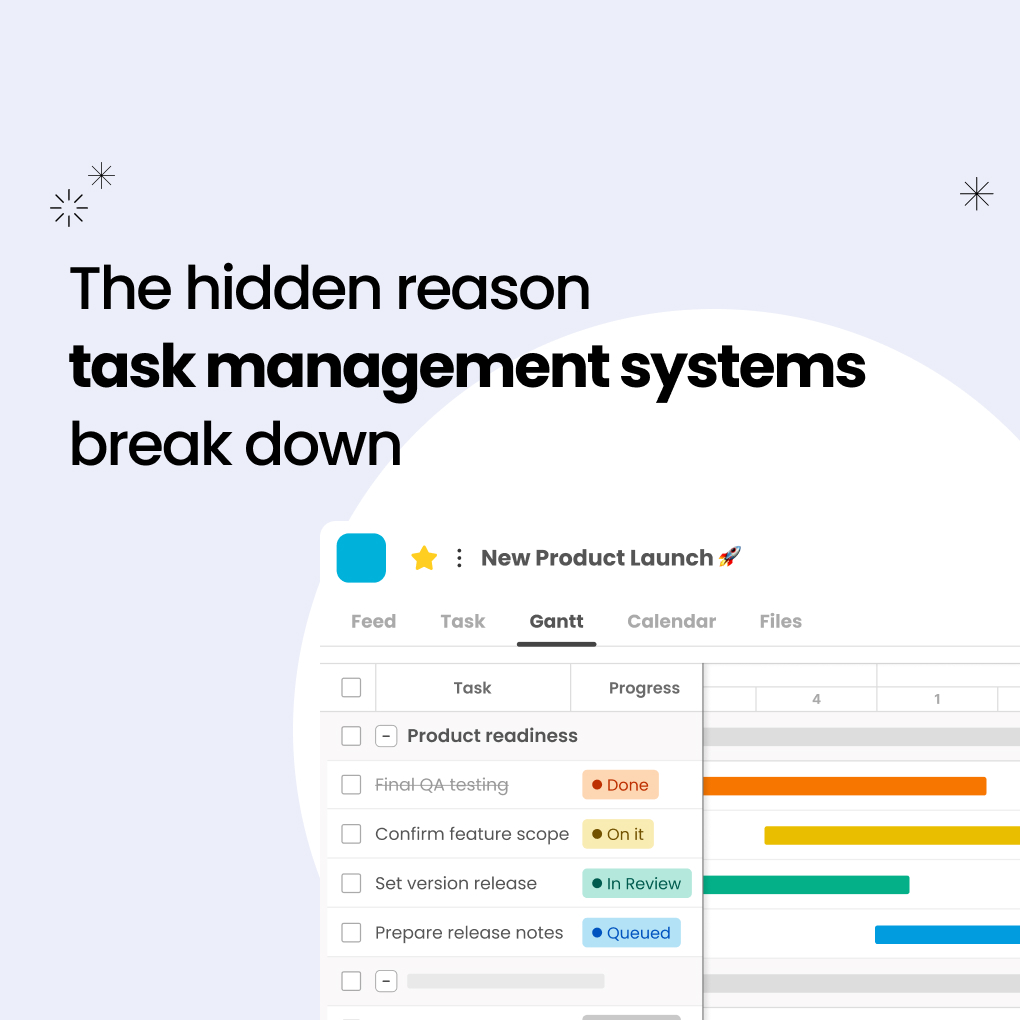
This is exactly the problem Morningmate was built to address — not by adding another tool to the mix, but by giving teams a single place to manage tasks, communication, and files together. When work lives in one system, visibility improves, handoffs become clearer, and coordination stops depending on memory or manual follow-ups.
Before choosing any platform, it’s important to understand how decentralized task management quietly undermines productivity and reliability. Recognizing this cost is the first step toward building a more structured, scalable way of working.
The Chaos of Decentralized Work Management
Decentralized systems breed chaos, confusion, and communication breakdowns. When task management is left to individual preferences, it’s difficult to ensure alignment and integration across teams. Teams lose track of work as updates remain scattered across various platforms, emails, and documents. This fragmented approach hinders project cohesion and leads to overlooked tasks and missed opportunities.
- Team members using different tools or systems
- Information siloed and inaccessible when needed
- Lack of unified visibility into overall progress
One example of this issue is teams using separate spreadsheets to track work. Without cross-compatibility or integration, these spreadsheets can become quickly outdated. A tool like Morningmate integrates tasks, communication, and file sharing in one place, simplifying management and preventing disorganization.
The Cost of Communication Gaps
Poor communication is a common consequence when work tracking lacks centralization. Teams rely heavily on email and chat messages, which can result in lost information and misinterpreted instructions. Important details that are scattered or buried in long email threads lead to frustration and inefficiency.
- Key updates missed in overflowing inboxes
- Team members unaware of shifts in priorities
Having a centralized task management system ensures everyone stays informed. For example, Morningmate provides real-time updates and notifications, enhancing clarity and streamlining team communication. This transparency encourages more efficient workflows and helps avoid project derailment.
Impact on Accountability and Ownership
When task management lacks structure, accountability is often the first casualty. If no one can clearly see who owns a task or its current status, it’s easy for team members to assume others are handling necessary work, leading to uncompleted tasks.
This absence of ownership is compounded when deadlines aren’t transparent or visible to everyone. The resulting confusion can impact team morale and effectiveness, leading to stress and reduced performance. Establishing clear responsibilities and visible timelines is vital to maintaining accountability across projects.
Optimization and Efficiency: A Central System’s Role
Implementing a central task management system is essential for optimization and efficiency. By having a single source of truth, teams can prioritize tasks better and allocate resources optimally. Managers have clear insights into workloads and can redistribute tasks to prevent burnout and ensure deadlines are met.
Consider integrating Morningmate as your go-to platform for improving internal processes. It offers features specifically designed to enhance team productivity by optimizing task allocations, setting clear goals, and maintaining timelines.
Steps to Implement a Centralized Task Management System
Transitioning to a centralized task management system requires thoughtfulness and planning. Here’s a simple step-by-step guide to make this transition smoother and more effective:
- Evaluate current tools: Understand what is currently being used, and identify gaps or redundant processes.
- Select a suitable platform: Choose a comprehensive tool like Morningmate that best fits your team’s needs.
- Define processes and workflows: Clearly outline how tasks will flow within the new system to standardize processes.
- Train your team: Ensure everyone understands how to make the most out of the new system with proper training.
- Monitor and iterate: Continuously assess the system’s effectiveness and make necessary adjustments to processes.
By following these steps, your team can seamlessly integrate the new system into their daily routine, fostering improved communication, accountability, and efficiency.
Conclusion: Empowering Teams with Centralized Management
The modern business landscape demands agility and adaptability. Losing track of work is a challenge every organization dreads, but it is easily preventable by centralizing task management. Through improved communication, accountability, and optimized resource allocation, a solution like Morningmate empowers teams to excel. Don’t let your organization fall into the trap of inefficiency — take the proactive step today towards better management.
Begin your journey towards streamlined work processes by implementing a central task management system designed to meet your team’s dynamic needs. Experience the transformation and witness firsthand how structured management can drive your business forward in 2026.