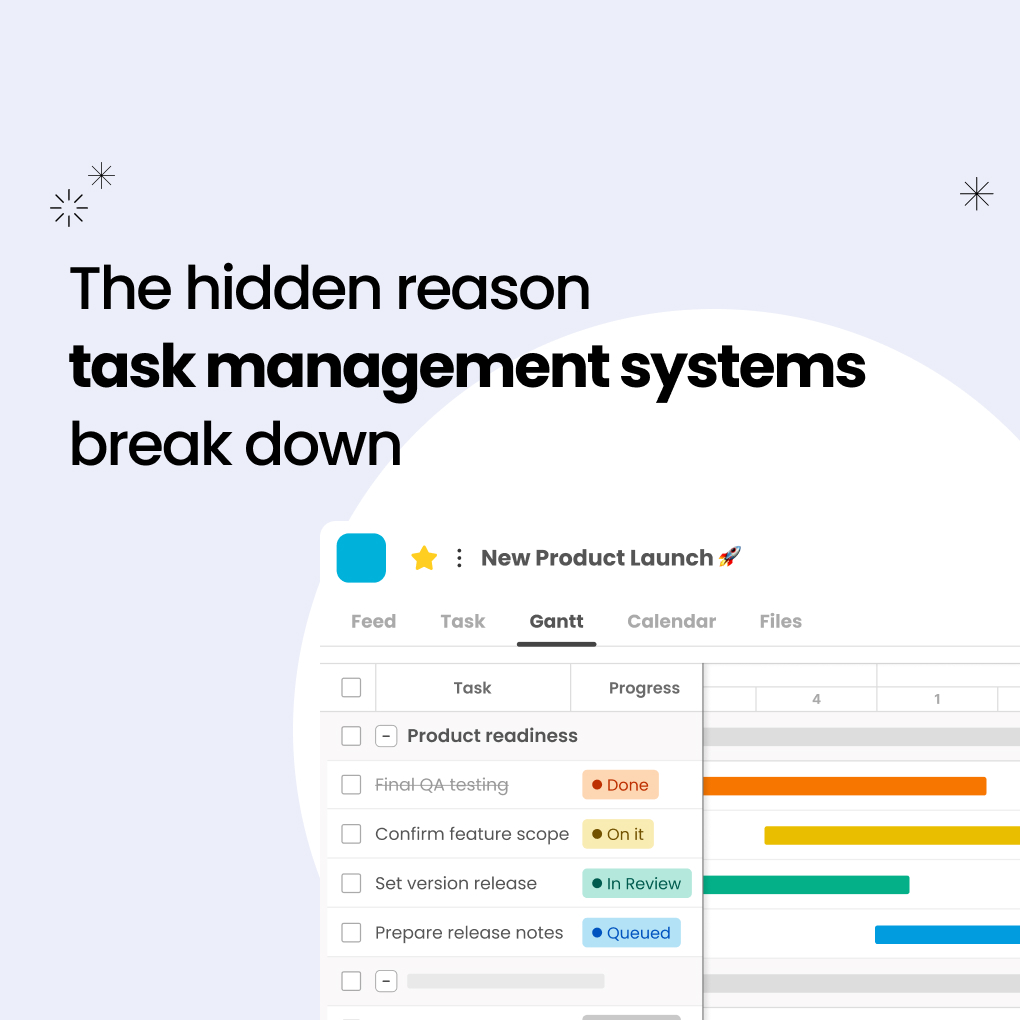
Most task management systems don’t fail because teams lack tools. They fail because no one is truly responsible for the work inside them.
On paper, tasks exist. Boards are filled. Deadlines are set. But when ownership is unclear, progress quietly stalls. Tasks linger in “in progress,” updates feel optional, and follow-ups become a manager’s daily chore. Eventually, teams stop trusting the system — and revert to chats, reminders, and manual check-ins.
This breakdown happens even in well-equipped teams. Without a clear owner, a task becomes everyone’s responsibility, which often means no one’s. Accountability dissolves, deadlines slip, and task management turns into performative tracking rather than real execution.
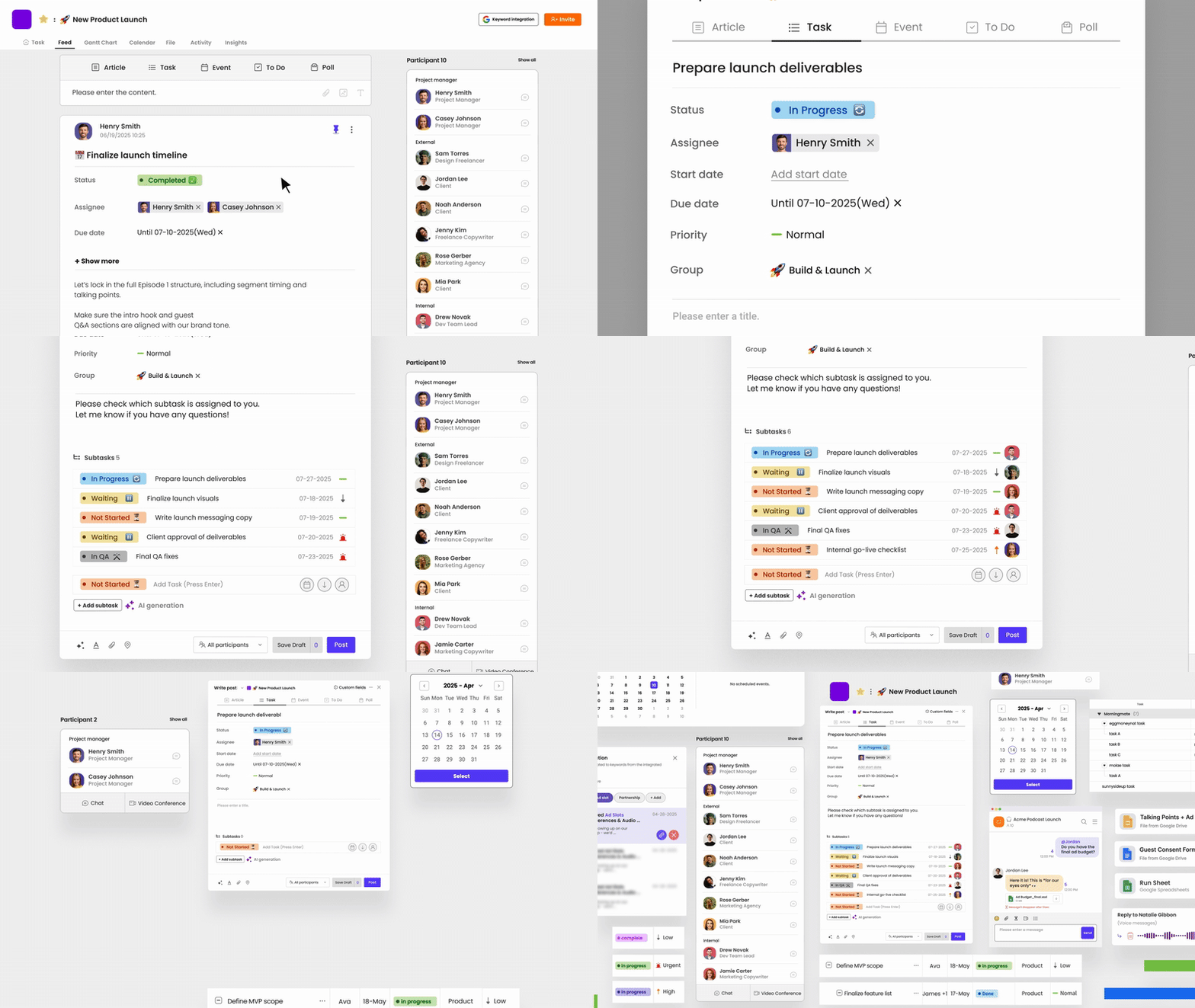
This is the exact gap Morningmate is designed to close. By making ownership explicit — alongside task status, context, and communication — teams can move from tracking work to actually completing it. When responsibility is visible, execution becomes predictable.
Understanding why ownership sits at the center of effective task management is critical. Before adding more processes or features, teams need to fix this foundational issue — or every system they adopt will eventually break down the same way.
The Importance of Clear Task Ownership
Task management operates on the premise that each team member knows their responsibilities and the expectations tied to them. Clear task ownership is essential for ensuring that work assignments are not merely understood but actively managed and executed to completion. The absence of ownership leads to ambiguity and inaction.
When a task lacks explicit ownership, it often results in:
- Unclear Accountability: Team members may assume someone else is responsible, causing tasks to be delayed or forgotten.
- Missed Deadlines: Without a responsible party, tasks can linger incomplete, missing critical deadlines.
- Reduced Productivity: Teams may waste time sorting out who should handle what, leading to inefficiencies.
Steps to Ensure Clear Ownership in Task Management
To avoid the pitfalls of unclear task ownership, organizations need to establish robust systems that promote clarity and responsibility within teams. Here are some crucial steps:
Define Roles and Responsibilities
Begin by clearly delineating the roles within your organization. Every team member should know their specific duties and how they contribute to the overall project. Utilize job descriptions and regular updates to keep everyone informed about their responsibilities.
Additionally, role clarity helps prevent overlap in duties, where tasks may otherwise be double-handled or neglected.
Utilize Task Management Tools
Technology plays a pivotal role in enhancing task clarity. Implementing reliable task management tools, such as Morningmate, can help assign and track tasks efficiently. These tools provide visibility into who is responsible for each task and the current status, facilitating better organization and accountability.
Morningmate, for example, offers features that streamline task assignment and improve clarity across the board, promoting seamless collaboration in any project.
Try Morningmate today and experience a new level of task management clarity for your team.
Establish Clear Communication Channels
Communication is the backbone of effective task management. Without it, even teams with clear task ownership can falter. Establish regular communication practices to ensure that everyone is aligned and informed about task priorities, changes, and progress.
Conduct regular meetings, whether in person or virtual, to discuss project updates and challenges. This practice ensures that everyone stays on the same page and can address potential ownership issues proactively.
Regular Feedback and Reporting
Integrate a feedback loop into your task management system. Regular reporting and feedback sessions help identify bottlenecks and ownership issues quickly. Encourage team members to provide feedback on how task ownership is impacting their workflow.
Including this feedback in your performance assessments can spotlight areas needing improvement and foster a culture of continuous improvement.
Create an Accountability Culture
Building a culture of accountability goes hand-in-hand with clear ownership. Encourage team members to take responsibility for their roles and the outcomes of their tasks. This mindset not only enhances productivity but also boosts morale and job satisfaction.
Recognition and rewards for good performance can enhance this culture, motivating employees to take ownership seriously.
Training and Development
Regular training sessions can empower your team to manage tasks more efficiently. Through development programs, you can equip employees with the skills needed to manage their tasks and responsibilities effectively, thus reducing reliance on higher-ups for direction.
This investment in skills development pays dividends by elevating team autonomy and initiative.
Conclusion: Achieving Successful Task Management with Ownership
Clear task ownership is not a mere administrative function; it is a strategic advantage in managing work efficiently. By delineating clear roles, utilizing effective tools like Morningmate, fostering open communication, and building a culture of accountability, organizations can overcome the challenges of task mismanagement. These actions contribute significantly to achieving project goals and enhancing team cohesion.
Implement these strategies today and watch your team’s productivity soar. Try Morningmate to bring clarity and success to your task management processes.