
Tracking the progress of team projects can often feel challenging, but it is crucial for ensuring that objectives are met efficiently and effectively. With multiple tasks, deadlines, and varying team member workloads, knowing how to monitor and report progress accurately is a vital skill in any collaborative environment. By understanding the dynamics of how teams track progress more effectively, organizations can foster better productivity and successful project outcomes.
Implementing effective tracking strategies can unlock the full potential of your team, leading to streamlined operations and a better understanding of each member’s contributions. It is essential to utilize tools and frameworks that support transparency, accountability, and realtime feedback, ultimately enhancing team dynamics. Let’s explore some of the best practices in tracking team progress more effectively.
With the right approach, teams can not only monitor progress but also engage in a continuous improvement cycle that benefits both individual growth and overall project success.
Setting Clear Objectives and Milestones
One of the foundational elements to tracking team progress effectively lies in setting clear objectives and defining milestones. Without them, it can be difficult to gauge how the team is performing or if the project is on track. Objectives act as guideposts that keep the team focused on the end goal.
- Define SMART goals (Specific, Measurable, Achievable, Relevant, Time-bound).
- Break larger goals into smaller, manageable tasks with clear deadlines.
- Schedule weekly stand-up meetings to review key metrics and updates.
- Encourage team members to share insights and feedback.
- Utilize digital boards to track project stages and delegate tasks.
- Encourage team members to update the board frequently for accuracy.
- Review project outcomes regularly to identify trends and bottlenecks.
- Use insights gained to optimize processes and increase productivity.
By establishing these structured guidelines, teams have a reference point for measuring progress and ensuring all efforts align with organizational goals.
Using Collaboration Tools for Real-Time Updates
In today’s digital age, utilizing collaboration tools is instrumental in allowing teams to stay connected and informed in real-time. Tools like Morningmate allow team members to share updates and view project status without delay, reducing the risk of miscommunication.
Real-time updates ensure everyone is on the same page and can quickly adapt to any changes in project scope or timelines. This transparency fosters a sense of accountability and cohesion among team members.
Start using collaboration tools to streamline communication and maintain a high level of interaction within your team. This proactive approach will elevate your team’s efficiency and responsiveness.
Implementing Regular Check-Ins
Establishing a routine for regular check-ins can significantly impact how effectively teams track progress. These meetings provide an opportunity to discuss current tasks, hurdles, and any necessary adjustments to team strategies.
Regular check-ins encourage an open dialogue among team members and help identify potential issues before they become major roadblocks. By fostering a culture of communication, teams become more flexible and adept at overcoming challenges.
Using Visual Project Management Boards
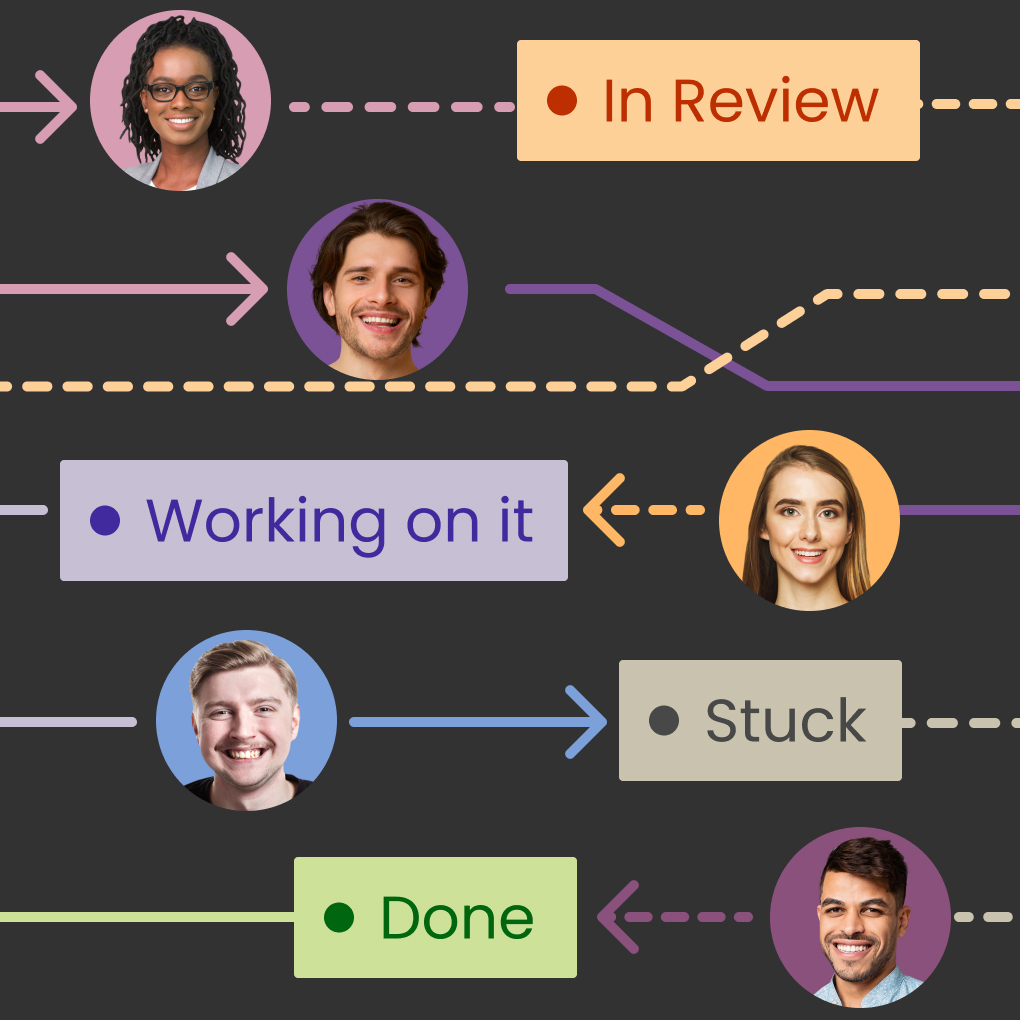
Visual project management boards, such as Kanban boards, provide a clear visual depiction of a project’s status. These tools give a tangible sense of progression, making it easy to see what tasks are in progress, completed, or pending.
By using visual tools, teams can quickly adjust resources and priorities as needed. These boards are helpful in clarifying roles and responsibilities, thereby ensuring everyone knows their tasks and deadlines.
Analyzing Data for Continuous Improvement
Data analysis plays a crucial role in understanding how teams track progress more effectively. Collection of performance metrics allows for a deeper understanding of workflow efficiencies and areas requiring improvement.
Teams should leverage analytics to refine processes and enhance overall performance. By examining data, organizations can make informed decisions that support not only individual projects but also long-term strategic planning.
Creating a Culture of Accountability
A culture of accountability empowers team members to take ownership of their tasks and contributions. This sense of responsibility is paramount in tracking progress more effectively, as it ensures everyone is committed to meeting their targets.
Leaders should encourage self-assessment and provide constructive feedback. By nurturing an environment where accountability is prized, teams can enhance their collective outputs while gaining individual growth and satisfaction.
Transform your team culture by instilling accountability and monitoring systems, ensuring every team member feels motivated and engaged.
Final Thoughts on Tracking Team Progress
Effectively tracking team progress requires a combination of strategic planning, the right tools, and a proactive approach to communication and accountability. By adopting these practices, teams can achieve greater transparency and success in their projects.
When your team is well-equipped for tracking progress, it leads to a more efficient workflow, higher morale, and ultimately, more successful project outcomes. Consider implementing these strategies today to empower your team’s growth and productivity.
Try Morningmate for optimized project management and a collaborative environment that supports your team in tracking progress more effectively.